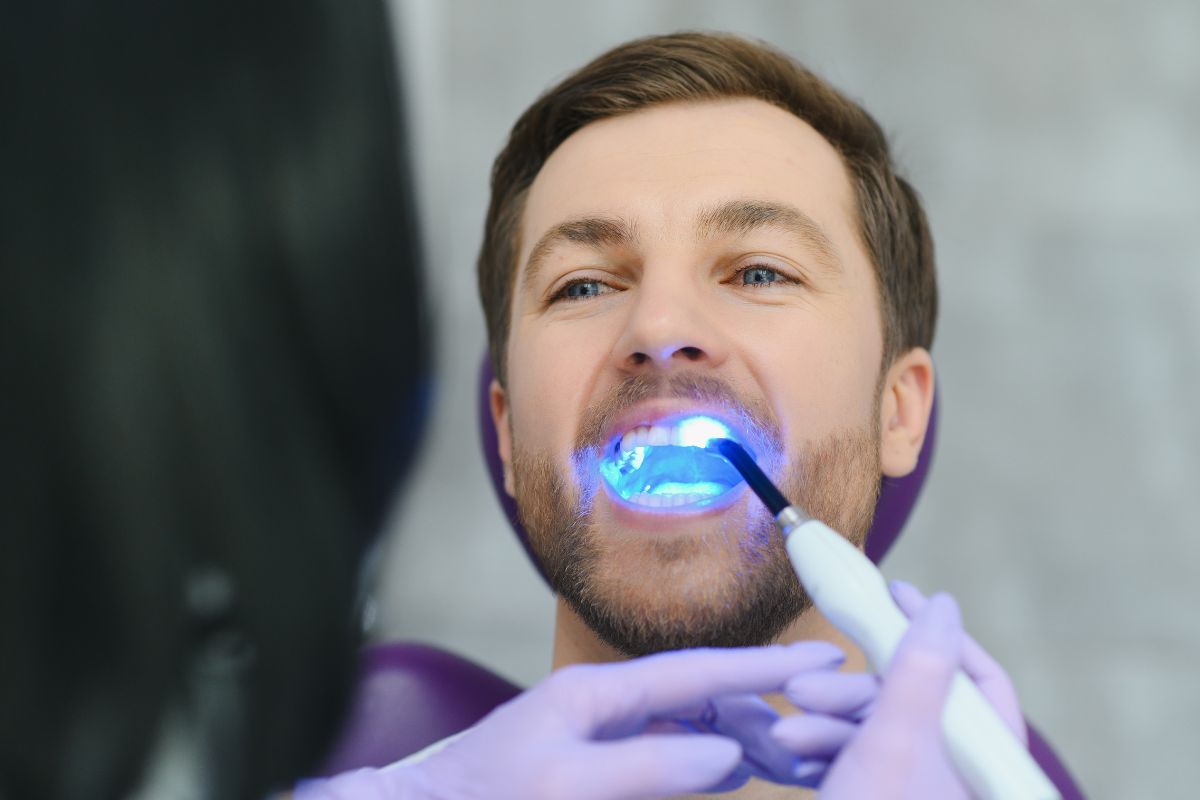
You finally did it. You sat through the trays or the chairside session, and you couldn’t wait to show off a brighter smile. Then you took a sip of iced tea, and zing. A sharp little jolt shot through one tooth, and you wondered if something went wrong.
If you’re dealing with teeth sensitive after whitening, take a breath. You’re far from alone, and the cause is usually simple and short-lived. Many Dallas patients ask us the same three things a day or two after a session: Is this normal? Will it go away? What can I do right now?
This guide answers all three. You’ll learn why it happens, how long it lasts, what may help at home, and when it’s time to call a dentist.
Teeth Sensitive After Whitening: What’s Actually Happening
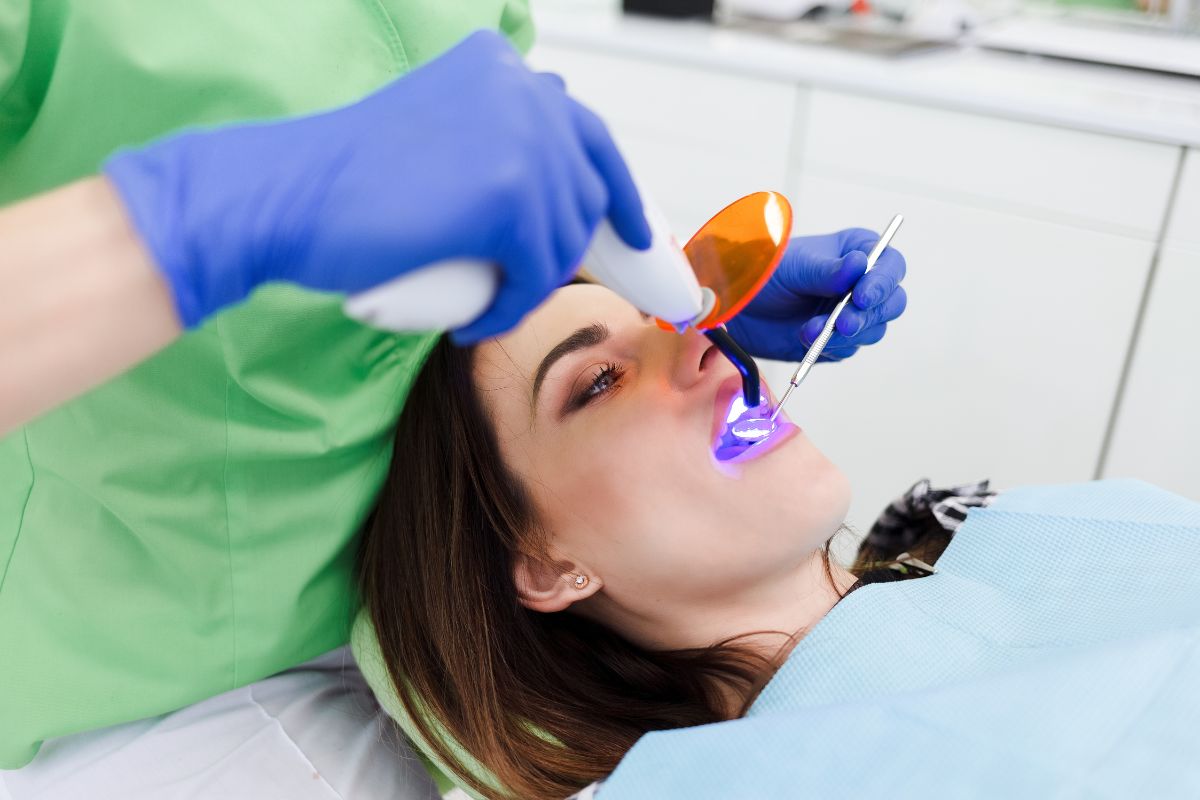
Sensitivity after teeth whitening happens when peroxide-based gel passes through the enamel and reaches the softer dentin layer underneath. This can irritate the nerve inside the tooth for a short time. The result is a quick, sharp twinge, often set off by cold air, cold drinks, or sweets, that usually fades within a few days.
The Gel Reaches Deeper Than You’d Think
Enamel looks solid, but it isn’t a sealed wall. It has microscopic pores. Whitening gel breaks up stain molecules, and the peroxide slips through those pores on its way. Some of it reaches the dentin, which sits close to the nerve.
Tiny Channels Carry Sensations to the Nerve
Dentin is full of microscopic channels called tubules. They lead toward the pulp, the living center of the tooth. When the gel irritates this area, temperature changes and sugary or acidic foods reach the nerve more easily. That’s the zing.
Teeth Can Be Briefly Dehydrated
Whitening can also dry out the tooth surface for a short time. A slightly dehydrated tooth may look extra bright right after treatment, then rehydrate over a day or two. During that window, it can feel more reactive than usual.
| Did You Know? Sensitivity is one of the most common side effects of bleaching. Most people notice it within the first day or two, and it usually isn’t a sign of lasting damage to your enamel. |
Why Whitening Sensitivity Deserves Your Attention
It Can Change How You Eat, Drink, and Smile
Picture a patient who whitens a few weeks before a wedding. By the big day, she’s skipping ice water, sipping lukewarm coffee, and smiling with her lips closed. That isn’t the confidence she was hoping for.
It Can Tempt You to Quit Early or Overdo It
Some people stop halfway and end up with an uneven shade. Others add extra strips or wear trays longer, hoping to speed things up. That can make the irritation worse, not better.
It Tells You Something About Your Teeth
Teeth with thin enamel, tiny cracks, or gum recession tend to react more. A twinge can be a helpful clue about your overall oral health.
How Long Does Whitening Sensitivity Last?
For most people, whitening sensitivity lasts one to three days after a session, and many feel normal again within a week. Sensitivity that keeps getting stronger, lasts longer than about a week, or turns into a constant ache is not typical and deserves a dental exam.
| What You Feel | What It May Mean | Typical Timeline | Next Step |
|---|---|---|---|
| Quick zing with cold air or drinks | Peroxide briefly irritating the nerve | 1–3 days | Pause whitening; try a desensitizing toothpaste |
| Mild tenderness when brushing | Dry tooth surface or irritated gums | A few days to a week | Use a soft brush; skip acidic foods |
| Sharp pain in one spot | Possible crack, cavity, or exposed root | Doesn’t fade | Book an exam |
| Constant or throbbing ache | Possible deeper tooth or nerve problem | Lasts or worsens | Call a dentist soon |
| Gum burning or white patches | Gel touched gum tissue | Often a day or so | Rinse, stop use, call if it lingers |
When It’s More Than a Whitening Side Effect
Most of the time, a twinge is simply a side effect. But whitening can also bring hidden problems to the surface.
- Worn enamel: Thin enamel lets more gel through. Grinding and acid wear from soda or citrus can add to it.
- Tooth decay: Gel can inflame a tooth that already has a weak spot, and the pain may stay sharp.
- Gum recession: Exposed root surfaces have no enamel shield, so they react fast. Untreated gum disease can cause this.
- Cracks or leaking fillings: Gel can seep into tiny gaps and reach sensitive areas.
- Overusing store-bought kits: Strong gel, long wear times, or back-to-back sessions can irritate the nerve and gums.
One more thing: whitening doesn’t change the color of dental crowns, veneers, or fillings. If your natural teeth brighten and those don’t, the mismatch can show up in your smile appearance.
How to Relieve Sensitivity After Whitening at Home
Pause whitening, switch to a toothpaste made for sensitive teeth, and avoid very hot, cold, or acidic items for a few days. These steps calm most mild cases.
- Press pause. Skip whitening until the zing is gone. A day or two off won’t ruin your results.
- Use desensitizing toothpaste. Look for potassium nitrate or stannous fluoride on the label, and use it twice a day for a couple of weeks.
- Brush softly. Choose a soft-bristled brush and use gentle circles instead of hard scrubbing.
- Go lukewarm. Skip ice water and piping hot coffee for a few days. A straw can help with cold drinks.
- Limit acidic and sugary foods. Citrus, soda, wine, and sports drinks can aggravate sensitive teeth.
- Ask about fluoride. A fluoride rinse or in-office varnish can help support enamel.
What a Dentist Can Do That a Drugstore Can’t
Start With a Proper Exam
A quick exam, and X-rays if needed, can check for tooth decay, cracks, worn enamel, and gum recession. Finding the real cause is the fastest way to the right fix.
In-Office Relief Options
Depending on what we find, relief may include desensitizing agents, fluoride varnish, or restorative dentistry such as bonding over exposed root surfaces. If grinding is wearing your teeth down, we may talk about bite alignment and a night guard.
A Gentler Whitening Plan
You don’t have to choose between a brighter smile and comfort. Custom-fit trays, lower-strength gel, shorter wear times, and spaced-out sessions can often deliver results with fewer zings.
Whitening Aftercare for Dallas Smiles
From weddings to job interviews to weekend brunches in Uptown, a confident smile matters in Dallas. At SK2 Dental, we welcome patients from Dallas and nearby communities like Highland Park, University Park, Richardson, and Plano who want a brighter smile without the discomfort.
We treat whitening as part of your overall oral health, not just a shade chart. Before recommending a plan, we look at your enamel, gums, existing fillings and crowns, and daily habits. Curious what others experienced? See what our patients say on Google reviews.
⭐⭐⭐⭐⭐ petra arnold
Very friendly and knowledgeable staff!!
Meet Your Dentist

Dr. Stanley Ngo believes good dentistry starts with listening. Before suggesting any treatment, he looks at the full picture of your oral health, so you understand your options and feel comfortable with the plan. Meet Dr. Ngo and learn more about your treatment options.
| Don’t Let the Zing Steal Your SmileA short visit can rule out hidden problems and give you a plan that fits your teeth. Appointment times fill up each week, so reach out while it’s on your mind. Schedule a Consultation with Dr. Ngo! |
Frequently Asked Questions
1. Is it normal to have sensitive teeth after whitening?
Yes. Sensitivity is one of the most common side effects of bleaching. It happens when the gel irritates the tooth’s inner layers for a short time, and it usually fades on its own within a few days.
2. How long does sensitivity last after teeth whitening?
Most people feel better in one to three days, and nearly everyone is back to normal within about a week. If it lasts longer or gets worse, see a dentist.
3. What helps whitening sensitivity the fastest?
Pause whitening, use a desensitizing toothpaste, brush gently, and avoid very hot, cold, or acidic items. Your dentist can add a fluoride treatment if you need extra relief.
4. Can I whiten again if my teeth are still sensitive?
It’s best to wait until the sensitivity is gone. Ask your dentist about a gentler plan, such as lower-strength gel, shorter sessions, or more time between treatments.
5. Does sensitivity mean whitening damaged my enamel?
Usually not. When used as directed, whitening doesn’t typically cause lasting enamel damage. Overusing strong products can irritate teeth and gums, though, so follow directions closely.
6. Why do only some of my teeth hurt after whitening?
Teeth with thinner enamel, small cracks, worn spots, old fillings, or exposed roots tend to react more. Uneven sensitivity can point to a specific problem, so it’s worth having checked.
7. Are strips or professional whitening more likely to cause sensitivity?
Either can. Sensitivity depends on gel strength, wear time, and fit. Custom trays hug your teeth and help keep gel off your gums, while ill-fitting strips can touch gum tissue.
8. When should I see a dentist about sensitivity after whitening?
Call if sensitivity lasts longer than a week, one tooth hurts sharply, you feel a throbbing ache, or your gums look swollen or burned. Severe pain may need emergency dental care.