
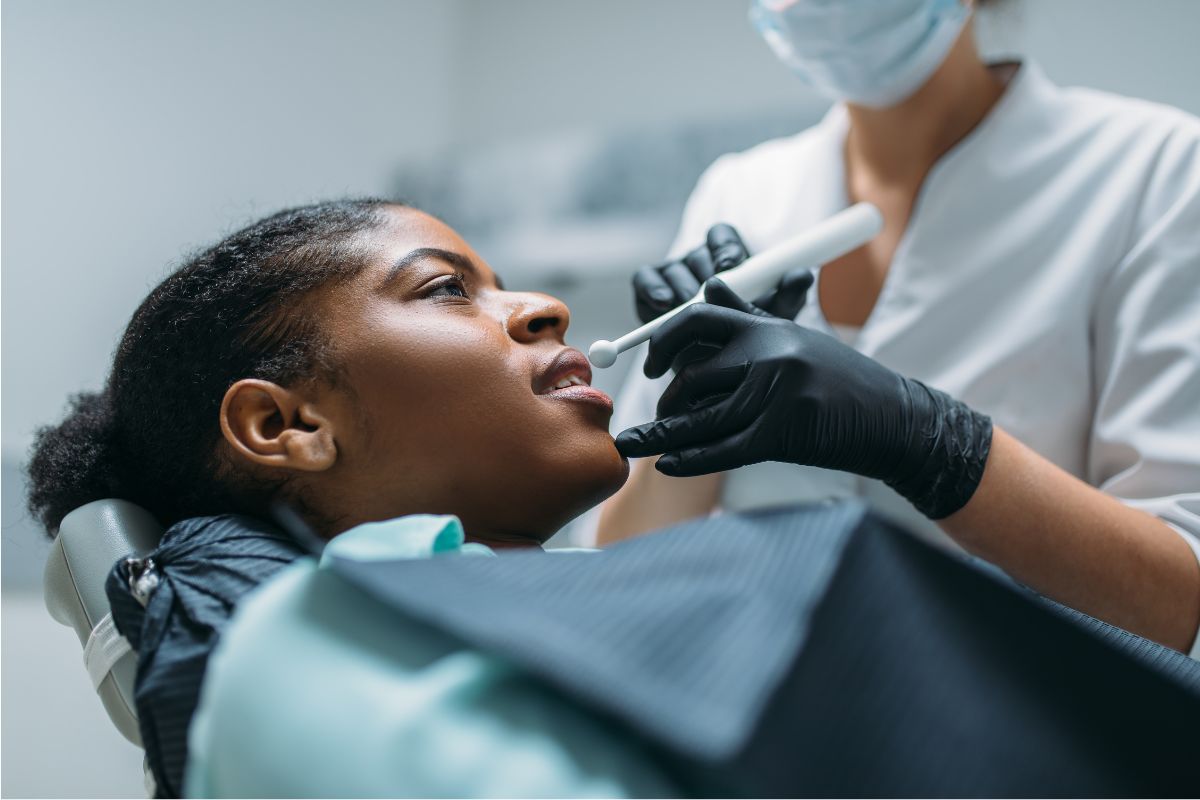
You Got the Filling. So Why Does It Still Hurt?
You sat through the appointment. You numbed up, drilled down, and walked out with a shiny new dental filling. The problem should be fixed, right?
Then the anesthesia wore off and something felt off. A twinge when you bite. A sharp zing from cold water. A dull ache that shows up without warning. You’re left wondering: did something go wrong? Is this normal? Should you be worried?
You are not alone. Tooth sensitivity or discomfort after a dental filling is one of the most common concerns patients bring to our Dallas dentist office. The good news: most causes are completely explainable and very treatable. But some deserve attention before they turn into a bigger issue.
Here is what is actually going on inside that tooth, and exactly what you should do about it.
Is Post-Filling Pain Normal? Here’s the Short Answer
Did You Know?
Mild tooth sensitivity after a filling is normal and usually resolves within 1–4 weeks. However, sharp, lingering, or worsening pain beyond that window is a signal your tooth needs to be re-evaluated by a dentist.
A dental filling restores a tooth damaged by decay, cracks, or wear. But placing a filling involves removing decayed tissue, applying materials close to the nerve, and reshaping the tooth’s bite surface all of which can temporarily disturb the tooth’s internal environment.
Most post-filling sensitivity is short-lived and harmless. But pain that is severe, lasts more than a month, or changes in character those are red flags worth taking seriously.
The Hidden Reasons Your Tooth Keeps Hurting
1. Your Bite Is Off (Even Slightly)
This is the most common reason for post-filling discomfort and one of the easiest to fix. When the filling material is even a hair too high, every time your teeth come together, that one spot takes extra pressure. Over days, that tiny imbalance translates into soreness, aching, or even jaw tension.
You may not notice the high bite immediately because your mouth is still numb leaving the chair. But once sensation returns, something feels “not quite right.”
The fix is a simple bite adjustment usually a 5-minute visit where your dentist reshapes the filling’s surface until your bite feels even again.
2. Nerve Irritation From the Procedure Itself
The closer decay is to the nerve, the more irritation the nerve can experience during treatment. Even perfectly placed composite resin fillings can cause temporary inflammation of the pulp the soft tissue inside your tooth containing the nerve and blood vessels.
This type of discomfort typically feels like a dull ache or temperature sensitivity, and it tends to improve on its own over 2–4 weeks as the nerve settles. Keeping up with oral hygiene and avoiding very hot or cold foods helps during this period.
3. Cracked Tooth or Hairline Fracture Beneath the Filling
Sometimes decay removal reveals or causes a small crack in the enamel or dentin. If a fracture exists beneath the new filling, you may experience sharp pain specifically when biting down at certain angles.
Cracked tooth syndrome is notoriously tricky to diagnose because hairline cracks do not always show up on standard X-rays. Your dentist may use bite tests or special lighting to detect one. Treatment depends on the crack’s size from a crown to protect the tooth, to extraction in severe cases.
4. The Filling Material Is Reacting to Temperature Changes
Tooth-colored composite resin fillings conduct temperature differently than your natural tooth enamel. In the weeks after placement, some patients notice heightened sensitivity to hot and cold especially when drinking ice water or hot coffee.
This reaction usually fades as your enamel adjusts. A desensitizing toothpaste used twice daily can reduce discomfort significantly during this adjustment window.
5. Deep Decay That Reached (or Almost Reached) the Pulp
When decay is extensive, the nerve may have been compromised long before you sat in the dental chair. In these cases, a filling alone may not be enough to resolve the underlying problem. If bacteria reached the pulp tissue, an infection can develop causing throbbing pain, spontaneous aches, or sensitivity that gets worse instead of better.
This situation often signals the need for root canal therapy to remove infected pulp tissue and save the tooth. Left untreated, a tooth abscess can develop, which carries serious health risks beyond your mouth.
6. A Loose or Poorly Sealed Filling
Fillings can sometimes fail to bond perfectly or may partially dislodge over time. When saliva or bacteria seep beneath a loose filling, decay can restart underneath, and you may experience a return of sensitivity, a strange taste, or a rough edge you can feel with your tongue.
If your filling feels loose, has a visible gap, or feels different than when it was placed, schedule an evaluation promptly. Catching this early means a simple replacement rather than more extensive treatment.
Still Noticing Something That Feels “Off”?
Sometimes a tooth doesn’t hurt—it simply feels different. A slight pressure when you bite, a rough sensation, or the feeling that something has changed can all be early warning signs before significant pain develops.
Related Reading: Why Your Teeth Suddenly Feel “Different” Even Though They Look Normal — Learn why subtle changes in how your teeth feel should never be ignored and when it’s time to have them evaluated.
Post-Filling Pain: What It Means at a Glance
Use this quick reference to understand your symptoms before your next visit:
| Symptom / Type of Pain | Most Likely Cause | What to Do |
| Sensitivity to hot/cold (short-lived, <4 weeks) | Normal nerve settling after filling | Use desensitizing toothpaste; monitor |
| Pain when biting or chewing | High bite / filling is too tall | Call your dentist for a quick bite adjustment |
| Sharp pain on specific bite angle | Cracked tooth beneath filling | Schedule evaluation promptly |
| Throbbing, spontaneous, or worsening pain | Pulp irritation or infection | Seek care soon- may need root canal |
| Dull ache lasting more than 4–6 weeks | Deep decay, nerve involvement | Re-evaluation required |
| Rough edge, loose feeling, strange taste | Filling failure or improper seal | Schedule replacement visit |
What Happens If You Ignore the Pain?
Dental discomfort is your body’s way of sending a signal. Ignoring it or masking it with over-the-counter pain relievers indefinitely allows underlying problems to progress silently. Here is what can happen when post-filling pain goes unaddressed:
- A minor bite issue becomes a cracked tooth requiring a crown
- A pulp irritation progresses to a full abscess – a painful, potentially serious infection
- A failing filling allows new decay to develop underneath, destroying more tooth structure
- An untreated crack can split the tooth entirely, leading to extraction
- Gum disease around an improperly sealed filling can develop over time
The sooner you address unusual pain after a filling, the simpler and less costly the solution typically is.
Tooth Pain Doesn’t Always Follow a Schedule
Dental pain has a frustrating habit of appearing during weekends, holidays, or right before important events. While some discomfort after a filling is temporary, sudden or severe pain should never be ignored.
Related Reading: Why Tooth Pain Strikes at the Worst Time: Causes, Relief & Dallas Dentist Advice — Discover the most common reasons unexpected tooth pain develops, what you can do for temporary relief, and when you should contact a dentist immediately.
What SK2 Dental Patients Are Saying
⭐⭐⭐⭐⭐ Annabell Dean
The cleaning was great and I got my filling done! GREAT office and no pain! Dr. Kevin is a great doctor!
Verified Google Review
Looking for more experiences from our patients? Read more Google Reviews to see why families throughout Dallas trust SK2 Dental for comfortable, honest, and high-quality dental care.
The Team Behind Comfortable, Patient-Focused Dental Care at SK2 Dental

At SK2 Dental – Ngo Stanley DDS, PA, your oral health is supported by a team of experienced dentists dedicated to providing comfortable, personalized, and high-quality care. Dr. Stanley Ngo, Dr. Daniel Vo, and Dr. Kevin Do work collaboratively to diagnose and treat everything from routine fillings to more complex dental concerns.
Whether you’re experiencing lingering discomfort after a filling or need a second opinion, our doctors take the time to identify the cause, explain your treatment options clearly, and recommend the most conservative solution whenever possible. With advanced technology, gentle techniques, and a patient-first approach, our team is committed to helping every patient achieve lasting oral health with confidence.
Still Hurting After Your Filling?
Don’t wait and wonder. Pain that lingers past a few weeks is your tooth asking for attention and the sooner you act, the simpler the solution. Call SK2 Dental to schedule an appointment.
What Your Dentist Will Do to Diagnose the Problem
When you return to SK2 Dental with post-filling discomfort, here is what you can expect from the evaluation:
- A review of your symptoms when the pain occurs, what triggers it, how long it lasts
- A clinical exam of the filled tooth and surrounding teeth
- Updated X-rays if needed to check for decay beneath the filling or pulp changes
- A bite test using articulating paper to identify high spots in your filling
- Cold sensitivity testing to assess nerve response
- A percussion test (gentle tapping) to rule out abscess or infection
Based on findings, Dr. Stanley will recommend the most conservative treatment that resolves the problem whether that is a bite adjustment, crown placement, root canal therapy, or simply monitoring. Contact us to schedule an appointment!
Serving Dallas Patients Who Deserve Real Answers
At SK2 Dental in Dallas, we hear this concern regularly. Whether you are near Uptown, Oak Cliff, East Dallas, or anywhere in the DFW area- tooth pain after a dental filling is not something to brush aside or “wait out” indefinitely.
We believe every patient deserves a clear explanation of what is happening in their mouth not just a prescription for painkillers and a “see how it goes.” If you had a filling done elsewhere and are experiencing continued discomfort, we welcome second-opinion consultations.
Our general dentistry services are designed to work as a complete system so when one piece of your oral health picture changes, we look at the whole picture.
Frequently Asked Questions
How long should a tooth hurt after a filling?
Mild sensitivity after a dental filling typically resolves within one to four weeks. Discomfort from a high bite or normal nerve settling is expected during this window. If pain is severe, worsening, or persists beyond four to six weeks, it is time to contact your dentist for a re-evaluation.
Is it normal to have throbbing pain after a filling?
Occasional mild aching is not unusual right after placement. However, throbbing pain especially pain that comes and goes on its own without any trigger can indicate pulp inflammation or the early stages of an infection. This should be evaluated promptly rather than managed with pain relievers alone.
Can a dental filling cause nerve damage?
A filling itself does not cause nerve damage, but deep decay close to the pulp can leave the nerve in a vulnerable state. The drilling and material placement may temporarily inflame an already-irritated nerve. In most cases, the inflammation resolves. In some cases, root canal therapy is needed to address permanent pulp involvement.
Why does my tooth hurt when I bite down after a filling?
Pain specifically when biting is one of the most common post-filling complaints and is usually caused by a filling that is slightly too high meaning it is the first point of contact when your teeth come together. This puts excess pressure on the filled tooth. A quick bite adjustment by your dentist resolves this in minutes.
What happens if tooth pain after a filling doesn’t go away?
Persistent pain beyond four to six weeks usually requires further investigation. Your dentist may take updated X-rays, perform pulp vitality testing, and assess the filling for proper seal and fit. Depending on the findings, treatment could range from a simple bite adjustment to root canal therapy or crown placement.
Can a failed or old filling cause tooth pain?
Yes. Fillings are not permanent. Over time, they can crack, chip, or shrink allowing bacteria to enter the gap between the filling and the tooth. This secondary decay beneath the filling often causes pain, sensitivity, or a strange taste. If you have an older filling and new symptoms appear, schedule an evaluation.
Should I see a dentist if my tooth hurts after a filling?
If sensitivity is mild and improving, monitoring at home with a desensitizing toothpaste is reasonable for the first two to four weeks. But if pain is sharp, throbbing, worsening, or has not improved after a month, you should see your dentist. Most issues caught early are resolved with minimal intervention.
Can I get a filling in Dallas the same week I call?
At SK2 Dental, we do our best to accommodate patients promptly especially when there is discomfort involved. Whether you need an adjustment on an existing filling, a new filling, or a full evaluation of tooth pain, contact our Dallas office and we will find the earliest available time that works for you.