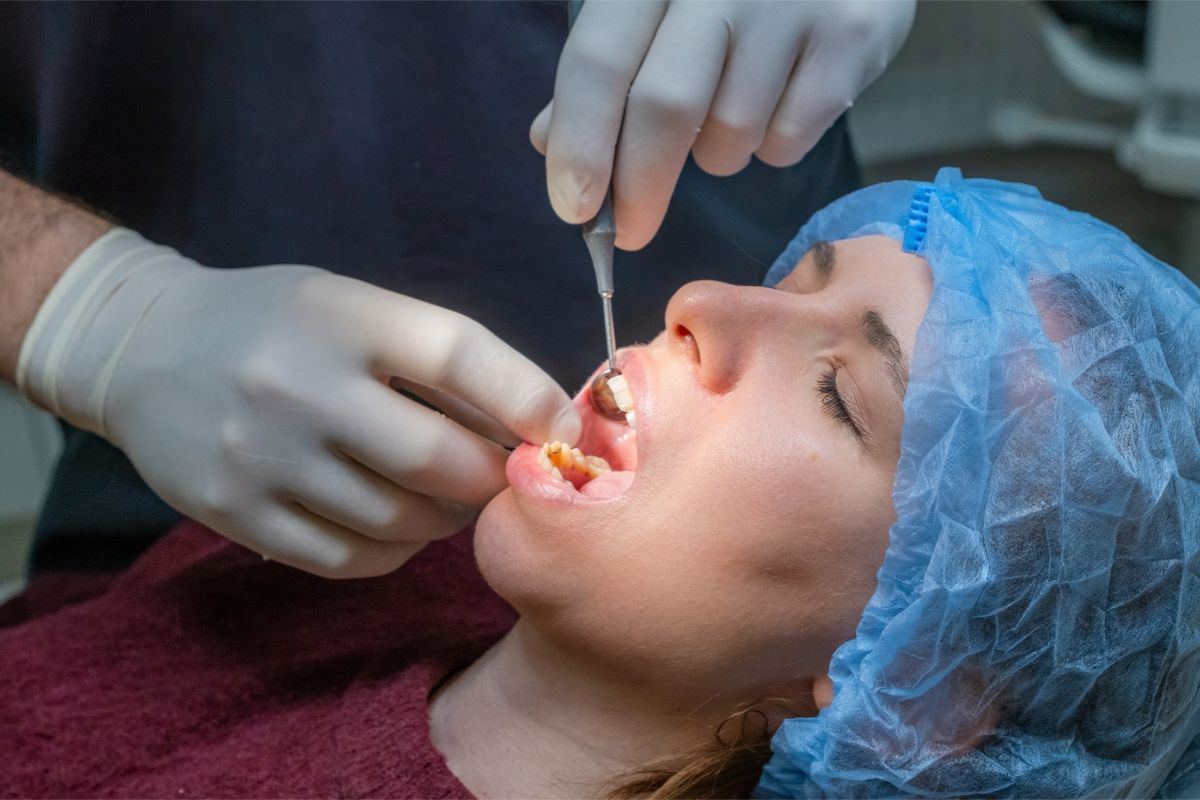
Many patients wonder when does your cleaning need to go deeper than normal in Dallas and surrounding areas. Not every dental cleaning is the same. Some patients need a routine polish and plaque removal. Others need a more intensive procedure called scaling and root planing. Understanding the difference can help you make informed decisions about your oral health.
At SK2 Dental, Dr. Stanley Ngo takes the time to explain every recommendation clearly. No one should feel confused about why their dentist is suggesting a different type of cleaning. This article breaks down exactly what separates a routine cleaning from a deep cleaning — and why one is sometimes clinically necessary.
What Happens During a Regular Dental Cleaning in Dallas
A routine cleaning is also called a prophylaxis. It is designed for patients who have generally healthy gums. Your hygienist removes plaque and tartar buildup from the surfaces of your teeth. They also polish your teeth and may apply a fluoride treatment.
This type of cleaning works above and just below the gum line. It targets areas that are hard to reach with a toothbrush at home. Most patients with healthy gums benefit from this cleaning every six months. It is a preventive measure that keeps gum disease from developing.
A routine cleaning does not address deep pockets of bacteria beneath the gum line. If those pockets exist, a regular cleaning simply cannot do enough. That is when a deeper approach becomes necessary.
When Does Your Cleaning Need to Go Deeper Than Normal in Dallas
A deep cleaning — clinically known as scaling and root planing — is recommended when gum disease is present. Specifically, it is needed when your gum pockets measure 4 millimeters or deeper. These measurements are taken with a small probe during your checkup. Deeper pockets signal that bacteria have moved below the gum line.
Here are the key signs that a deep cleaning may be recommended:
- Gum pockets measuring 4mm or deeper
- Visible tartar buildup beneath the gum line on X-rays
- Bleeding gums that do not improve with brushing
- Gum recession or gums pulling away from teeth
- Persistent bad breath not resolved by brushing
- Bone loss detected on Digital X-Rays
Dr. Ngo uses diagnostic imaging and clinical measurements together. This gives a complete picture of what is happening beneath the surface. Early-stage gum disease — called gingivitis — can often be reversed with a deep cleaning. More advanced disease, called periodontitis, requires ongoing Periodontal Care over time.
How Scaling and Root Planing Actually Works
Scaling and root planing is a two-part process. First, your hygienist scales the teeth by removing tartar and bacteria from below the gum line. They use specialized instruments to clean inside each gum pocket. This step removes the harmful buildup that causes inflammation.
The second step is root planing. This smooths the root surfaces of your teeth. Smooth roots make it harder for bacteria to reattach. They also help the gum tissue reattach more easily to the tooth surface.
Here is what you can expect during a deep cleaning appointment:
- A local anesthetic is applied to keep you comfortable
- Your hygienist scales tartar from above and below the gum line
- Root surfaces are planed and smoothed carefully
- An antibacterial rinse may be used to flush the pockets
- A follow-up visit is scheduled to check healing progress
The procedure is typically completed in two visits. Each visit covers one side of the mouth. Most patients experience minimal discomfort afterward. Mild sensitivity for a few days is completely normal.
Why Skipping a Deep Cleaning Can Cause Bigger Problems
Some patients feel hesitant when their dentist recommends a deep cleaning. It can seem like an unexpected step. But untreated gum disease does not stay mild. It progresses quietly and can cause lasting damage to your teeth and jawbone.
Advanced gum disease is the leading cause of tooth loss in adults. When bone loss occurs, it cannot be fully reversed. Teeth may become loose or shift out of alignment over time. What begins as treatable gingivitis can become a much larger problem without intervention.
Gum disease has also been linked to broader health concerns. Research connects it to cardiovascular disease, diabetes complications, and other systemic conditions. Taking care of your gums protects more than just your smile.
Patients who complete a deep cleaning and follow up with proper home care often see dramatic improvement. Gum pockets can shrink. Inflammation reduces. Bleeding decreases. Your overall oral health stabilizes significantly with the right care at the right time.
How This Connects to Your Overall Dental Health in Dallas
Preventive Dental Checkups with Digital X-Rays help Dr. Ngo detect gum disease before it advances. Catching it early gives you the best chance of a simple, effective outcome. Regular visits allow the team to monitor your gum health over time and adjust your care as needed.
Patients who maintain healthy gums may also consider aesthetic improvements. Cosmetic Dentistry Dallas options like veneers and teeth whitening work best on a healthy foundation. Treating gum disease first ensures cosmetic results last longer and look better.
In some cases, untreated decay beneath the gum line requires more advanced care. Root Canal Therapy Dallas may be needed if infection spreads to the inner tooth structure. Addressing gum disease early helps prevent that level of intervention.
Dr. Ngo and the SK2 Dental team design a care plan tailored to each patient. Whether you need a routine cleaning or a deep cleaning, you will always understand why. Every recommendation is made with your long-term health in mind.
Conclusion: Know What Your Gums Need
Understanding when your cleaning needs to go deeper than normal in Dallas empowers you as a patient. Routine cleanings and deep cleanings both serve important roles. The key is knowing which one your gums actually need right now. Regular checkups with Dr. Stanley Ngo ensure you always receive the right level of care. Book Now to schedule your appointment with our team.
Frequently Asked Questions
Is a deep cleaning painful?
Most patients tolerate deep cleanings well with local anesthetic. You may feel mild pressure during the procedure. Some sensitivity or soreness can occur for a few days afterward. Over-the-counter pain relief is usually sufficient for any post-appointment discomfort.
How do I know if I need a deep cleaning or a regular cleaning?
Your dentist determines this through a clinical exam and gum pocket measurements. If your pockets measure 4mm or deeper, a deep cleaning is typically recommended. Digital X-Rays also help identify tartar buildup below the gum line. Dr. Ngo will explain your measurements and recommendations clearly.
How long does a deep cleaning take?
A deep cleaning is usually completed over two appointments. Each session covers one side of the mouth and typically takes 60 to 90 minutes. A follow-up visit is scheduled after both sessions to evaluate how your gums have healed. The timeline varies depending on the severity of buildup.
Can gum disease come back after a deep cleaning?
Yes, gum disease can return without proper maintenance. That is why consistent home care and regular dental visits are so important. Dr. Ngo may recommend more frequent cleanings — every three to four months — after a deep cleaning. Staying on schedule helps prevent the disease from progressing again.
What is the difference between gingivitis and periodontitis?
Gingivitis is an early, reversible form of gum disease. It causes red, swollen, or bleeding gums but has not yet damaged bone. Periodontitis is a more advanced stage where bone and tissue loss have occurred. Early diagnosis and treatment — including deep cleanings — can stop the progression effectively.