You brush. You floss. You avoid obvious “bad” habits.
Yet somehow, your teeth still look dull, yellow, or stained- and it’s frustrating.
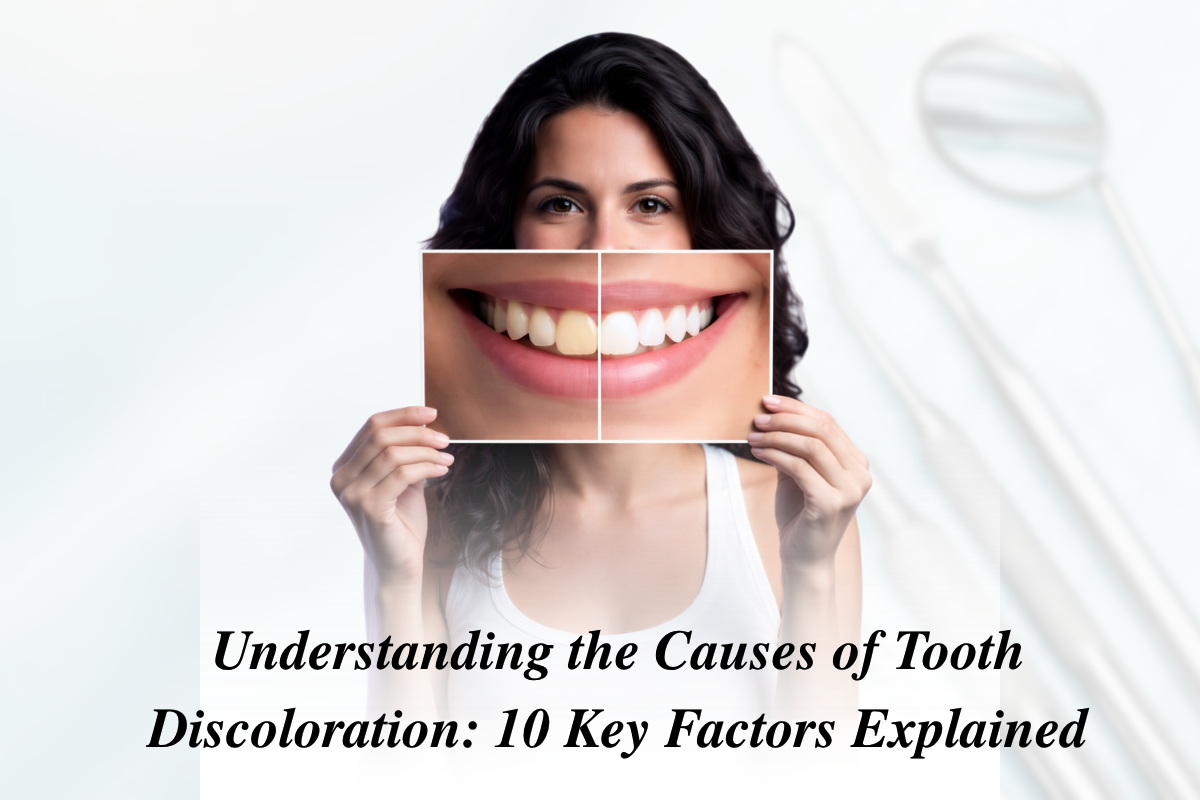
If you’ve been wondering about the real causes of tooth discoloration, you’re not alone. Many patients in Dallas notice changes in their smile over time, even with good oral hygiene. The truth? Tooth discoloration isn’t just about coffee or poor brushing- there are multiple hidden factors at play.
Understanding what’s behind those stains is the first step toward getting your confidence back- and knowing when it’s time to consider solutions like professional teeth whitening or other dental treatments to restore a brighter, healthier-looking smile.
The Problem: Tooth Discoloration Is More Common Than You Think
Discolored teeth can show up in different ways:
- Yellowing
- Brown or black stains
- White spots
- Uneven coloring
These changes can make your smile look older, unhealthy, or neglected- even when it’s not.
For many patients across Dallas and nearby areas, this becomes more than cosmetic. It affects confidence in social situations, work meetings, and even photos.
Why It Matters: It’s Not Just About Looks
Tooth discoloration isn’t always just surface-level. In some cases, it may signal:
- Early cavities
- Gum disease
- Enamel wear
- Internal tooth damage
Ignoring these signs can lead to bigger dental issues that require more complex treatment later.
10 Common Causes of Tooth Discoloration
1. Coffee, Tea, and Dark Beverages
These are among the most common stained teeth causes. They contain tannins that cling to enamel and create deep stains over time.
2. Tobacco Use
Smoking or chewing tobacco leads to stubborn yellow or brown stains that penetrate deeply into teeth.
3. Poor Oral Hygiene
Skipping brushing or flossing allows plaque and tartar to build up- leading to discoloration and potential decay.
4. Aging
As you age, enamel naturally wears down, exposing the yellow dentin underneath. This is one of the most natural yellow teeth reasons.
5. Certain Medications
Antibiotics like tetracycline (especially during childhood) can cause intrinsic staining that doesn’t respond to regular cleaning.
6. Fluorosis
Excess fluoride exposure during tooth development can cause white or brown spots on teeth.
7. Trauma or Injury
A hit to the tooth can damage internal structures, causing it to darken over time.
8. Enamel Erosion
Acidic foods and drinks (like soda and citrus) wear away enamel, making teeth appear dull and yellow.
9. Poor Diet Choices
Frequent consumption of sugary or highly pigmented foods contributes to staining and decay.
10. Genetics
Some people naturally have thicker or whiter enamel than others. Genetics can influence how your teeth look over time.
Quick Solutions: What You Can Do Right Now
Before jumping to treatment, here are simple ways to manage early discoloration:
At-Home Tips
- Brush twice daily with fluoride toothpaste
- Use a straw for staining beverages
- Rinse your mouth after coffee or wine
- Avoid smoking or tobacco
- Try whitening toothpaste (for mild stains)
Prevention Habits
- Schedule regular dental cleanings
- Limit acidic and sugary foods
- Maintain consistent oral hygiene
These steps help- but they don’t always remove deeper stains.
When It’s More Than Surface-Level: Warning Signs
You should consider seeing a dentist if you notice:
- Sudden discoloration in one tooth
- Dark spots that don’t go away
- Sensitivity along with staining
- Signs of decay or gum issues
These could indicate underlying problems that need professional attention.
Professional Solutions: What Actually Works
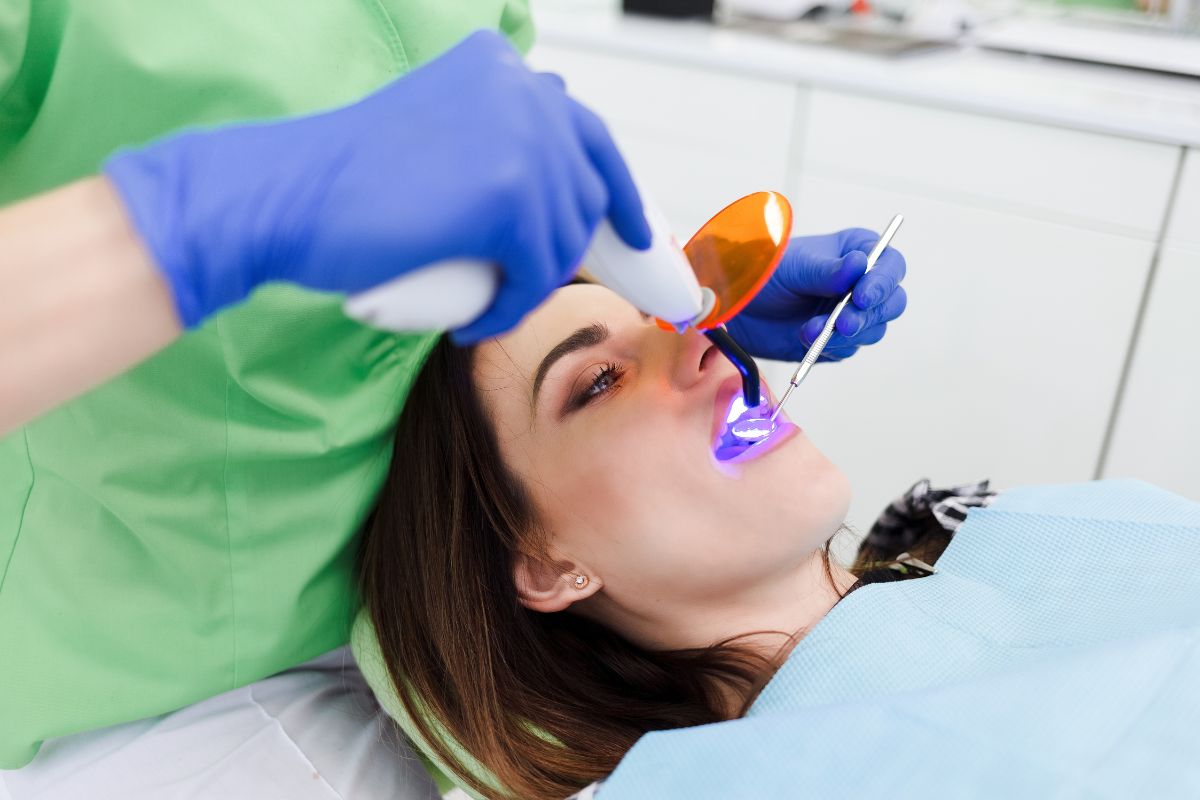
When at-home care isn’t enough, professional treatment becomes the most effective option.
Depending on the cause, solutions may include:
- Professional whitening treatments
- Deep cleaning for plaque and tartar
- Cosmetic options for internal stains
- Restorative care if decay is involved
At SK2 Dental – Ngo Stanley DDS, PA, patients in Dallas receive personalized care based on the root cause of discoloration- not just the surface appearance.
Local Trust: Dental Care That Understands Dallas Smiles
Living in Dallas means exposure to lifestyle habits that can affect your teeth- coffee culture, busy routines, and dietary patterns all play a role.
That’s why having a local dental team that understands these factors makes a difference. Whether you’re dealing with mild staining or long-term discoloration, getting the right diagnosis is key.
Ready to Brighten Your Smile?
If you’re noticing stains that won’t go away- or your smile just isn’t as bright as it used to be- it may be time to take the next step.
Call SK2 Dental – Ngo Stanley DDS, PA today to speak with our team or book your appointment online for a personalized smile evaluation
A brighter, more confident smile could be closer than you think.
How This Connects to Your Overall Dental Health
Tooth discoloration often overlaps with other dental concerns. That’s why patients exploring whitening options also benefit from:
- General cosmetic dentistry solutions
- Preventive care and routine cleanings
- Emergency dental care if discoloration is trauma-related
- Restorative treatments if decay is present
Addressing the cause- not just the symptom- leads to better long-term results.
Frequently Asked Questions (FAQs)
What are the main causes of tooth discoloration?
The most common causes include coffee, smoking, aging, poor hygiene, medications, and enamel erosion.
Are yellow teeth always unhealthy?
Not always. Some yellowing is natural due to aging, but it can also indicate plaque buildup or enamel thinning.
Can brushing remove all stains?
No. Brushing helps with surface stains, but deeper discoloration often requires professional treatment.
How do I know if my stains are permanent?
If stains don’t improve with regular cleaning or whitening toothpaste, they may be intrinsic and need dental evaluation.
Is tooth discoloration reversible?
Many types are treatable, especially with professional whitening or cosmetic procedures.
Do certain foods cause permanent staining?
Dark foods and drinks can cause long-term staining if consumed frequently without proper oral care.
Final Thoughts: Don’t Ignore the Signs
Tooth discoloration isn’t just about appearance—it’s often your body’s way of signaling something deeper. The sooner you understand the cause, the easier it is to fix.
If your smile has lost its brightness, don’t wait for it to get worse.
Call SK2 Dental – Ngo Stanley DDS, PA or Schedule your visit today and take the first step toward a healthier, brighter smile