You paid for professional teeth whitening. You followed every instruction. You avoided red wine, coffee, and everything else they told you to stay away from. And yet when you looked in the mirror a few weeks later, you were staring at the same dull, yellowed smile you started with.
Frustrating? Absolutely. But you’re not alone and more importantly, it’s not your fault.
Whitening failures are more common than most people realize, and they usually come down to a handful of specific, fixable reasons. Whether you had an in-office treatment right here in Dallas or used a take-home kit from your dentist, understanding why teeth whitening can fall short is the first step toward actually getting the bright smile you’re after.
Let’s break down what’s really going on and what you can do about it.
The Real Reason Teeth Whitening Doesn’t Always Work
Here’s something most dental marketing won’t tell you: teeth whitening is not a guaranteed fix for every type of discoloration. It works beautifully on some stains and does almost nothing on others. That’s the fundamental truth behind most whitening failures.
Whitening agents whether hydrogen peroxide or carbamide peroxide work by penetrating the outer layer of your tooth and breaking apart stain molecules. But that only works if those stains are of a specific type.
Extrinsic Stains vs. Intrinsic Discoloration
There are two categories of tooth discoloration:
Extrinsic stains: Surface-level staining from coffee, tea, wine, tobacco, and certain foods. These respond well to whitening.
Intrinsic discoloration: Deeper color changes within the tooth structure itself caused by aging, trauma, certain antibiotics (like tetracycline), or excessive fluoride during tooth development. Whitening agents have minimal effect on these.
If your yellowing is intrinsic, no amount of whitening professional or over-the-counter will produce the dramatic change you’re hoping for. That’s not a product failure; it’s biology.
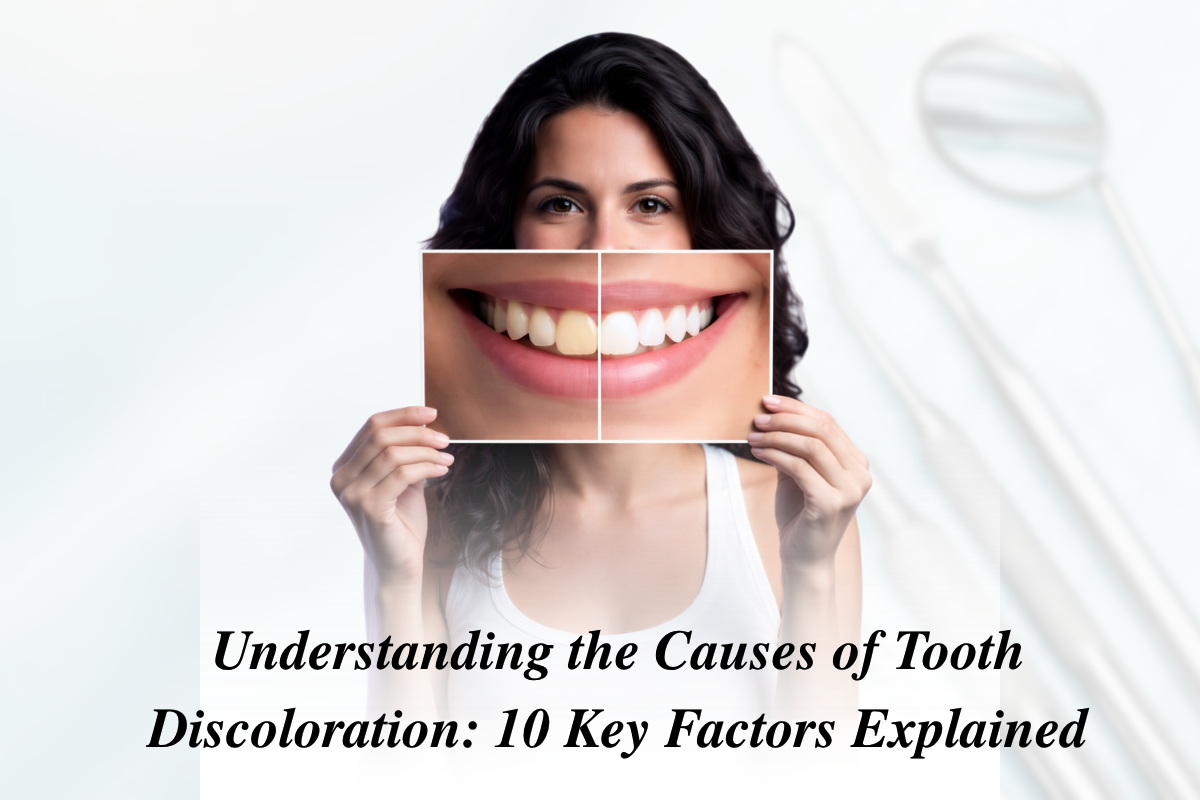
Want to Know What’s Actually Causing Your Tooth Discoloration?
Not all tooth stains come from coffee or tea. Age, medications, trauma, genetics, enamel wear, and even certain childhood conditions can affect tooth color in different ways.
Read More: Understanding the Causes of Tooth Discoloration: 10 Key Factors Explained
The Tetracycline Problem
Adults who took tetracycline antibiotics during childhood often have gray or brownish banding across their teeth. This type of discoloration is embedded in the dentin and is notoriously resistant to standard whitening protocols. In these cases, cosmetic options like porcelain veneers or dental bonding are often far more effective.
Why Getting This Wrong Matters More Than You Think
Repeated whitening attempts on the wrong type of discoloration don’t just waste money they can actively damage your teeth.
Overuse of whitening products weakens tooth enamel, the hard outer layer that protects against decay and sensitivity. Once enamel erodes, it doesn’t grow back. The result? Increased tooth sensitivity, a heightened risk of cavities, and ironically, teeth that look more translucent and gray the opposite of what you were going for.
This is especially true with store-bought whitening strips, which are used without any pre-screening. Without knowing the current state of your enamel, your gum health, or the type of staining you have, you’re essentially guessing.
Did You Know?
Teeth naturally have a genetic baseline color, which whitening cannot change.
Dental crowns, veneers, bonding, and fillings do NOT respond to whitening agents.
If you have any of these restorations, whitening your natural teeth can create obvious color mismatches.
This is one of the most frequently overlooked reasons whitening ‘works’ but still looks off.
Other Hidden Reasons Your Whitening Results Faded (or Never Appeared)
Your Oral Health Wasn’t Ready
Active tooth decay or gum disease can completely undermine whitening results. Whitening agents applied over compromised enamel or inflamed gum tissue cause heightened sensitivity and in some cases, significant pain. More importantly, the underlying oral health issues don’t get better on their own. They need to be treated first.
A thorough examination before any cosmetic treatment is non-negotiable for this reason. Skipping this step is one of the most common ways patients end up disappointed with their results.
Dehydration and Short-Term ‘Glow’
Right after whitening, your teeth can appear dramatically brighter and then seem to ‘fade’ within a few days. This is often due to temporary dehydration of the tooth surface caused by the whitening process itself. As your teeth rehydrate, some of that immediate brightness normalizes. This is completely natural and expected.
The key is distinguishing between normal post-treatment settling and a genuine lack of long-term results.
Lifestyle Habits Undoing the Work
Whitening treatment is a starting point not a permanent outcome. The foods and habits you return to after treatment have a direct impact on how long your results last. High-staining foods and beverages, tobacco use, and inconsistent oral hygiene are the most common culprits.
- Coffee and dark tea within the first 48 hours post-treatment stain deeply
- Red wine, tomato sauce, and balsamic vinegar are highly chromogenic
- Tobacco staining from cigarettes or smokeless tobacco is aggressive and fast-acting
- Inadequate brushing allows stain compounds to settle on enamel overnight
Professional Whitening vs. OTC Whitening: What Actually Differs
This table gives you a clear picture of why results vary so widely between treatment types:
| Factor | OTC Whitening | Professional Whitening |
| Peroxide Strength | 3–10% | 15–43% |
| Custom Trays | No (generic) | Yes (custom-fitted) |
| Sensitivity Control | None | Desensitizers included |
| Supervision | None | Dentist-monitored |
| Results Duration | 2–4 weeks | 6–24 months with care |
| Works on Crowns/Veneers | No | No (separate treatment needed) |
| Addresses Root Cause | No | Yes (pre-screening) |
The key takeaway: professional whitening isn’t just stronger it’s smarter. It accounts for factors that over-the-counter products simply can’t address.
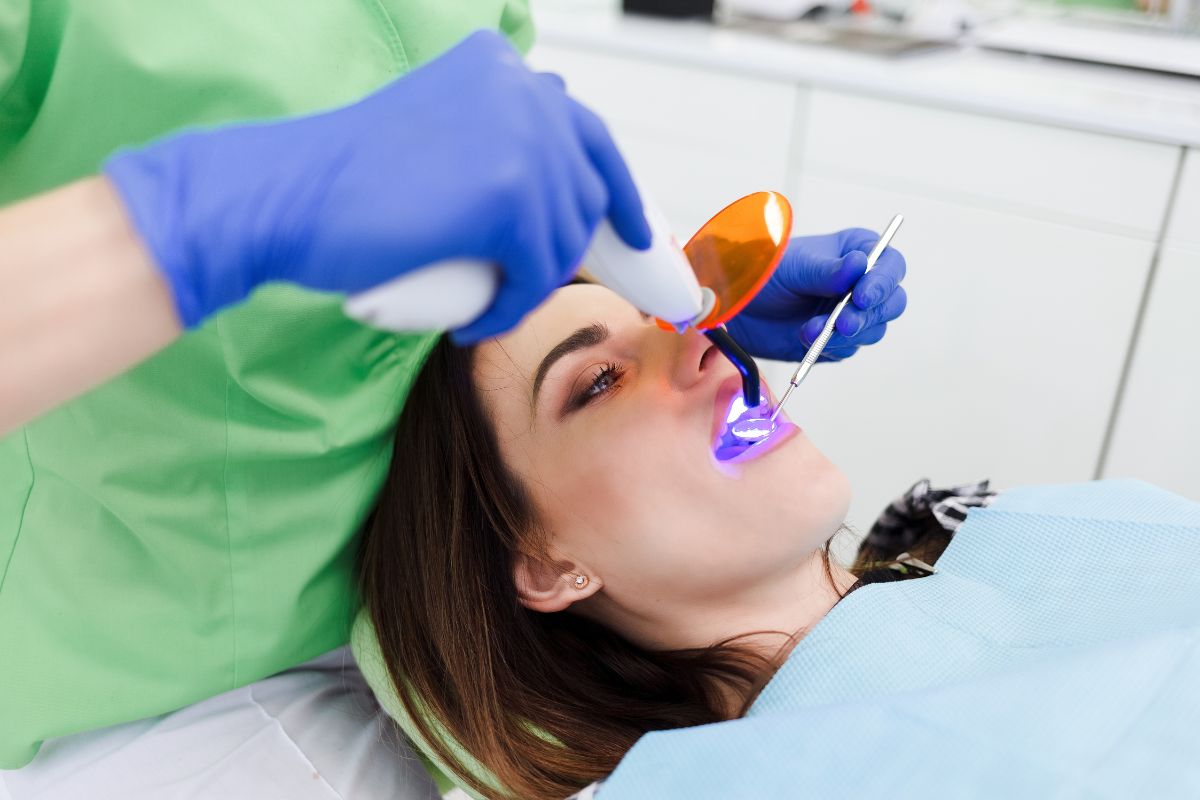
Curious About How Professional Whitening Actually Works?
Many patients are surprised to learn that professional whitening does much more than simply apply a stronger bleaching gel. From stain assessment and customized treatment plans to sensitivity management, every step plays a role in achieving safer and longer-lasting results.
Read More: From Coffee Stains to Bright Smiles: How Professional Teeth Whitening Works
⭐⭐⭐⭐⭐ Phung Le
Lan Chi was amazing with my cleaning! Lisa took care of me and my scans! I highly recommend this office for your dental work!
The Team Behind Advanced Care at SK2 Dental

At SK2 Dental, patients benefit from the combined expertise of a dedicated team of dental professionals committed to providing exceptional care. Dr. Stanley Ngo, Dr. Daniel Vo, and Dr. Kevin share a patient-first philosophy focused on education, transparency, and personalized treatment planning.
Whether you’re considering professional teeth whitening, cosmetic dentistry, restorative care, or preventive treatments, the team takes time to understand your goals and explain your options clearly. Their evidence-based approach helps ensure that every treatment recommendation is tailored to your individual needs, oral health condition, and desired outcome.
From routine cleanings to advanced cosmetic procedures, SK2 Dental combines modern technology with compassionate care to help patients achieve healthier, more confident smiles.
Schedule a consultation with the SK2 Dental team to learn which whitening or cosmetic solution is right for you.
Not Sure Why Your Whitening Didn’t Work?
Dr. Ngo offers personalized smile consultations to identify the exact cause and recommend the right solution no guesswork, no upselling. Call Us to Book Your Teeth Whitening Consultation!
What Actually Works: The Professional Approach to Teeth Whitening
The goal of a professional whitening evaluation isn’t just to apply a stronger gel. It’s to make sure whitening is the right treatment for your specific situation and if it’s not, to show you what is.
At SK2 Dental in Dallas, patients go through a structured process before any cosmetic treatment begins:
- Comprehensive oral exam to check for decay, gum concerns, and enamel health
- Stain type assessment to distinguish extrinsic from intrinsic discoloration
- Review of existing restorations (crowns, veneers, bonding) that won’t respond to whitening
- Customized treatment planning including alternatives like composite bonding or veneers if whitening isn’t the right fit
- Sensitivity management using desensitizing agents before, during, and after treatment
This isn’t a cookie-cutter approach. The goal is results that actually last and a patient who understands exactly what to expect.
Thinking About Professional Teeth Whitening?
If you’re looking for a brighter smile and want to understand what to expect before treatment, learn how professional whitening can deliver faster, safer, and more noticeable results than over-the-counter alternatives.
Read More: Transform Your Smile Instantly With Professional Teeth Whitening In Dallas
When Whitening Isn’t the Answer
For patients with intrinsic discoloration, tetracycline staining, or existing dental restorations,
cosmetic alternatives often deliver far better results:
- Porcelain Veneers – cover stubborn staining with natural-looking, custom-matched shells
- Dental Bonding – a cost-effective solution for smaller discoloration areas
- Composite Veneers – a less invasive option for broader smile transformations
Ask Dr. Ngo which option fits your smile goals and budget.
⭐⭐⭐⭐⭐ Eya Miessan
Dr. Kevin was very thorough and took his time explaining my treatment! Lisa was awesome showing me all the technology they had at the office! I will be coming back to this office!!
Teeth Whitening in Dallas: What Local Patients Should Know
Dallas is a city that takes appearances seriously from the boardrooms of Uptown to the social scene in Deep Ellum and Knox-Henderson. The demand for cosmetic dentistry in Dallas is high, and so is the variety of options.
That variety can be confusing. Walk-in whitening kiosks, spa treatments, and online whitening subscriptions all promise fast results but none of them involve a dental examination. And without that baseline assessment, you may be spending money on a treatment that simply doesn’t match your situation.
Patients across Dallas from Oak Cliff to Preston Hollow increasingly come to SK2 Dental after a whitening experience that underdelivered. The pattern is almost always the same: the right product used on the wrong type of problem.
Frequently Asked Questions About Teeth Whitening
Why didn’t my teeth whitening work at all?
The most common reasons include intrinsic (deep) discoloration that whitening agents can’t reach, existing dental restorations that don’t respond to bleaching, untreated enamel erosion, or active decay that needs treatment first. A thorough dental evaluation can pinpoint the exact cause.
Is professional teeth whitening in Dallas worth it compared to store-bought kits?
Professional whitening uses higher-concentration peroxide, custom-fitted trays, and dentist supervision which means better contact, fewer side effects, and longer-lasting results. More importantly, a dentist can tell you before treatment whether whitening will actually work for your type of discoloration.
How long does professional teeth whitening last?
With proper maintenance consistent oral hygiene, limiting staining foods, and periodic touch-up treatments professional whitening results typically last 12 to 24 months. Individual results vary based on diet, habits, and the original condition of your enamel.
Can teeth whitening damage my enamel?
Overuse of whitening products especially without dental guidance can weaken enamel over time. Professional whitening performed correctly, with appropriate intervals and pre-treatment screening, is generally safe. However, patients with thin or already eroded enamel need to be evaluated before any whitening treatment.
Why do my teeth look white right after whitening but fade quickly?
This is largely due to temporary dehydration of the tooth surface immediately after treatment. Your teeth rehydrate over 24–48 hours, which moderates the initial brightness. Some of this is normal. If results fade dramatically within days, it may indicate the staining type doesn’t respond to peroxide-based whitening.
Will teeth whitening work on crowns, veneers, or bonding?
No. Whitening agents only affect natural tooth enamel. Dental crowns, porcelain veneers, composite bonding, and fillings will not change color with whitening treatments. If these restorations are visible when you smile, whitening your surrounding teeth can create noticeable color mismatches. Discuss this with your dentist beforehand.
What’s the best teeth whitening option for sensitive teeth?
Patients with sensitivity do better with lower-concentration formulas applied over a longer period typically a custom take-home tray system with a desensitizing agent. Your dentist can also recommend a potassium nitrate or fluoride pre-treatment to reduce sensitivity before whitening begins.
What should I do if I’ve tried whitening and it still didn’t work?
Schedule a consultation with a cosmetic dentist for a full evaluation. Depending on the cause of your discoloration, alternatives like porcelain veneers, dental bonding, or a complete smile makeover may be more appropriate and more effective than continued whitening attempts.
The Bottom Line
Teeth whitening is one of the most popular cosmetic dental treatments in Dallas but it’s also one of the most misunderstood. When results fall short, it’s almost never a mystery. There’s always a specific reason: the wrong type of stain, untreated oral health issues, existing restorations, or lifestyle habits that undo the work.
The good news is that every one of those reasons is diagnosable. And for most patients, there is a path to a noticeably brighter smile it just might look different than a whitening kit.
If you’re in Dallas and tired of whitening treatments that don’t deliver, SK2 Dental offers the straightforward, personalized guidance you need to actually move forward. Dr. Ngo and his team are known for honest consultations no unnecessary procedures, no overselling, just a clear picture of what’s going on and what will genuinely help.