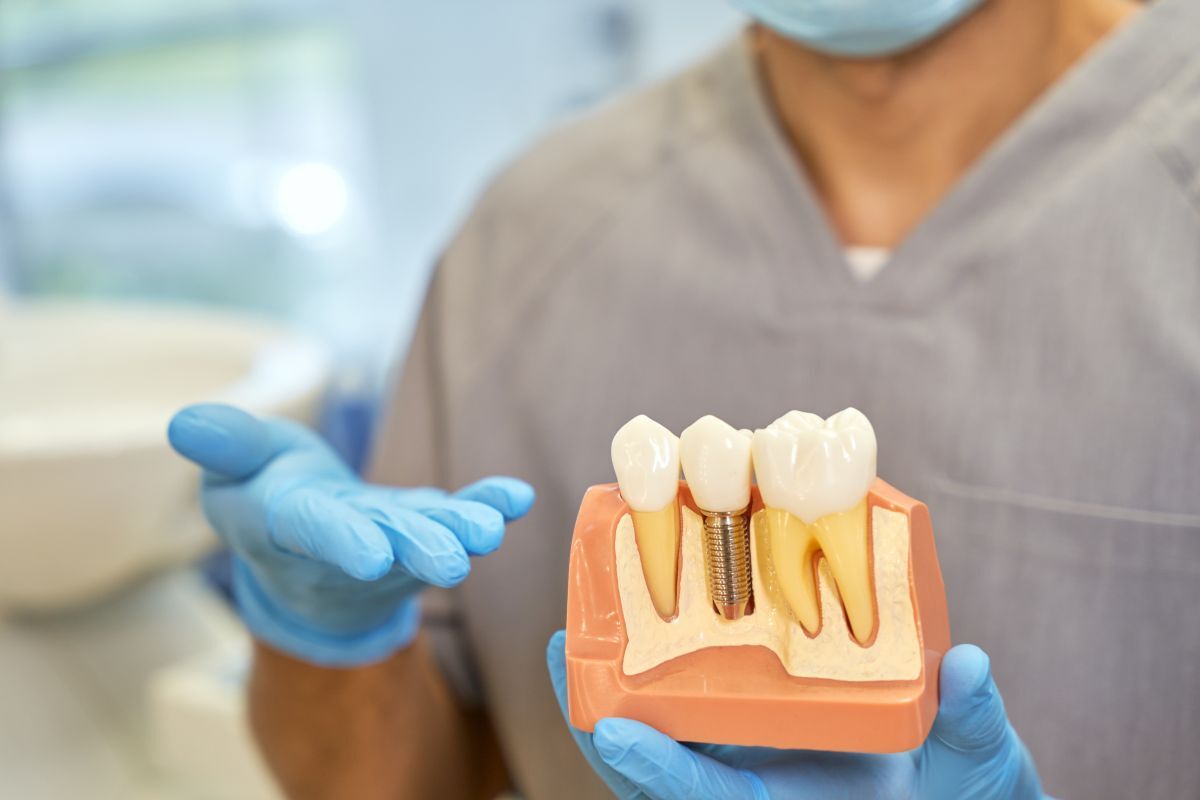
You skipped the group photo again. Or you laughed with your hand half over your mouth, the way you have for years. Somewhere along the way, you decided a missing tooth or a failing one was just something you’d live with not because you wanted to, but because everything you’d heard about dental implants sounded worse than the problem itself.
Painful. Expensive. Months of healing. A procedure for “someone else,” not you. If that’s the story running in your head, you’re not alone and you’re also not getting the full picture. Across North Dallas, SK2 Dental hears the same handful of myths about dental implants almost every week, and nearly all of them are outdated, exaggerated, or flat-out wrong.
Let’s clear the air, myth by myth, so you can make a decision based on facts instead of fear.
The Problem: Bad Information Is Keeping Dallas Patients Stuck
Most people don’t avoid dental implant treatment because they’ve researched it and decided against it. They avoid it because of a story a friend told them fifteen years ago, a forum post from someone who had a rough experience, or a vague sense that it must be a bigger deal than it actually is.
The result is a lot of unnecessary waiting. Waiting means more strain on neighboring teeth, more bone loss where the tooth is missing, and more years spent avoiding photos, apples, and first dates.
Why It Matters: What Believing These Myths Actually Costs You
A missing tooth is never just cosmetic. The jawbone underneath a gap starts to shrink without a tooth root to keep it stimulated, which can change your bite, your facial shape, and the health of the teeth next door.
- Bone loss accelerates the longer a gap is left untreated
- Shifting teeth can crowd or tilt into open space, complicating future treatment
- Bite changes from a missing tooth can lead to jaw strain and uneven wear
- Confidence takes a quiet hit every time you hesitate to smile, speak, or laugh freely
A missing tooth can affect more than your bite and oral health. Over time, changes in the jawbone and surrounding teeth can also influence the appearance and structure of your face. Learn more about: Why One Missing Tooth Can Quietly Change the Entire Shape of Your Face.
8 Common Dental Implant Myths, Busted
Myth 1: Dental Implants Are Extremely Painful
This is the one that stops people before they even ask a question. In reality, the implant site is fully numbed during placement, and most patients compare the discomfort afterward to a tooth extraction – manageable with over-the-counter pain relief for a few days.
Myth 2: Implants Are Only for Older Adults
Tooth loss isn’t reserved for one age group. Sports injuries, untreated decay, and genetic conditions can all lead to a missing tooth in your 20s, 30s, or 40s. As long as your jawbone has finished growing and your gums are healthy, an implant dentist can evaluate you as a candidate.
| Did You Know? The jawbone begins losing density within the first year after a tooth is lost. A dental implant is the only permanent tooth replacement option that helps preserve that bone by mimicking a natural tooth root. |
Myth 3: Recovery Takes Many Months
The surgical part of recovery is usually just a few days of mild swelling and soreness. What takes longer, quietly and painlessly, is osseointegration — the process where bone fuses around the implant post over a period of weeks. You’re living your normal life through most of it.
Myth 4: Implants Look and Feel Fake
Older restorations sometimes had that reputation. Today’s implant crowns are shade-matched and custom-shaped to blend in with the teeth around them, so a well-placed implant is often impossible for anyone but your dentist to spot.
Myth 5: Implants Have a Low Success Rate
This myth tends to come from a single bad outcome someone heard about secondhand. In practice, dental implants have one of the strongest long-term track records in restorative dentistry when they’re placed by an experienced team and cared for properly at home.
Myth 6: Dental Insurance Never Covers Implants
Coverage varies by plan, but it’s rarely an automatic no. Some dental and medical plans contribute toward implant treatment, particularly when a tooth was lost to injury or a documented medical issue. It’s always worth asking your provider directly rather than assuming.
Myth 7: You’ll Need to Replace an Implant Every Few Years
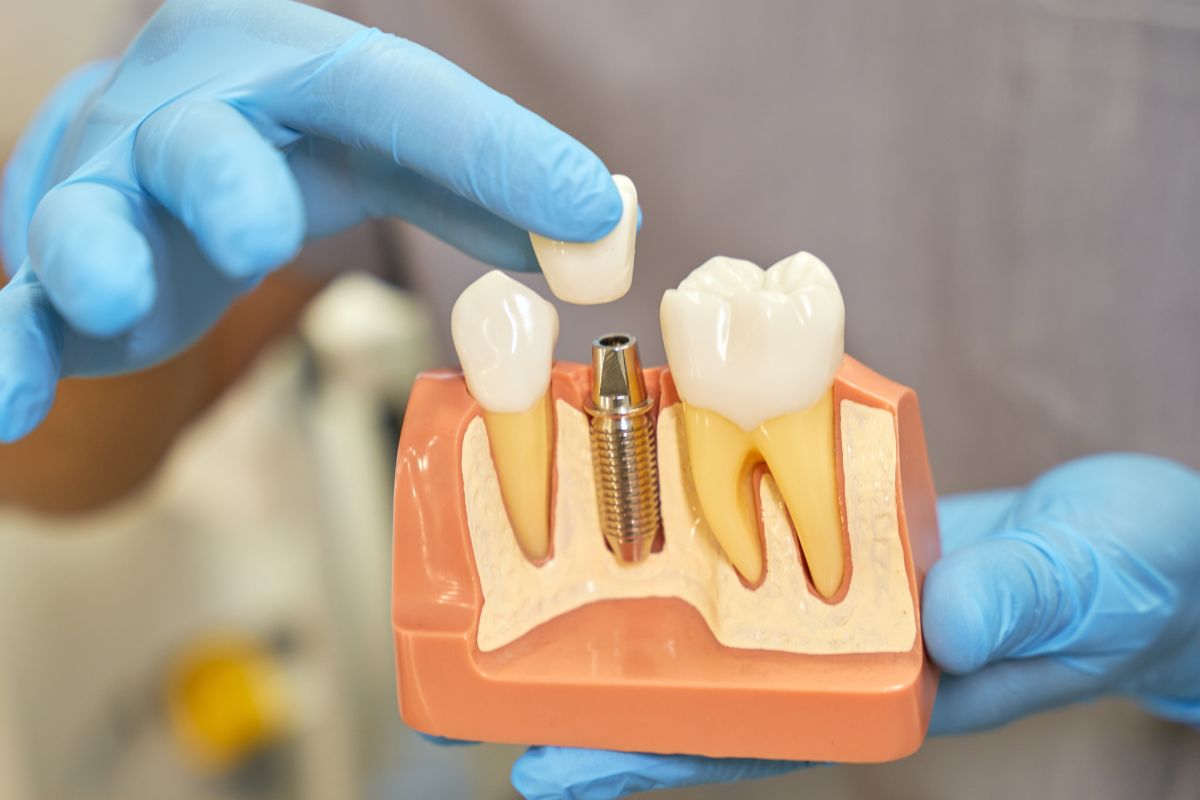
Unlike a bridge or a denture, an implant is designed to be a long-term fixture. With routine cleanings and normal home care, the implant itself can last for decades — for many patients, it’s a one-time investment.
Myth 8: Getting an Implant Means One Long, Complicated Surgery
Advances in guided implant technology have changed what treatment day looks like. Many single-tooth cases are completed in one appointment using precise digital planning, which shortens chair time and improves accuracy compared to older freehand methods.
Myth vs. Fact: A Quick-Reference Guide
| Myth | Fact |
| Implants are extremely painful | Most patients report less discomfort than a tooth extraction, managed with local anesthesia and mild pain relievers |
| Implants are only for older adults | Implants suit any adult with healthy gums and enough jawbone, regardless of age |
| Recovery takes many months | Initial healing is often just a few days; full bone integration continues quietly in the background while you live normally |
| Implants look and feel fake | Modern implant crowns are shaded and shaped to match surrounding teeth, so they blend in |
| Implants have a low success rate | Dental implants have a long, well-documented track record of success when placed and maintained properly |
| Insurance never covers implants | Some dental and medical plans partially cover implant treatment, especially when tied to injury or medical necessity |
| You must replace an implant every few years | With good oral hygiene, an implant can last for decades — often the rest of a patient’s life |
| Getting an implant is one long, complicated surgery | Many cases are completed in a single, guided appointment using precision planning technology |
The Professional Solution: What Modern Implant Treatment Actually Looks Like
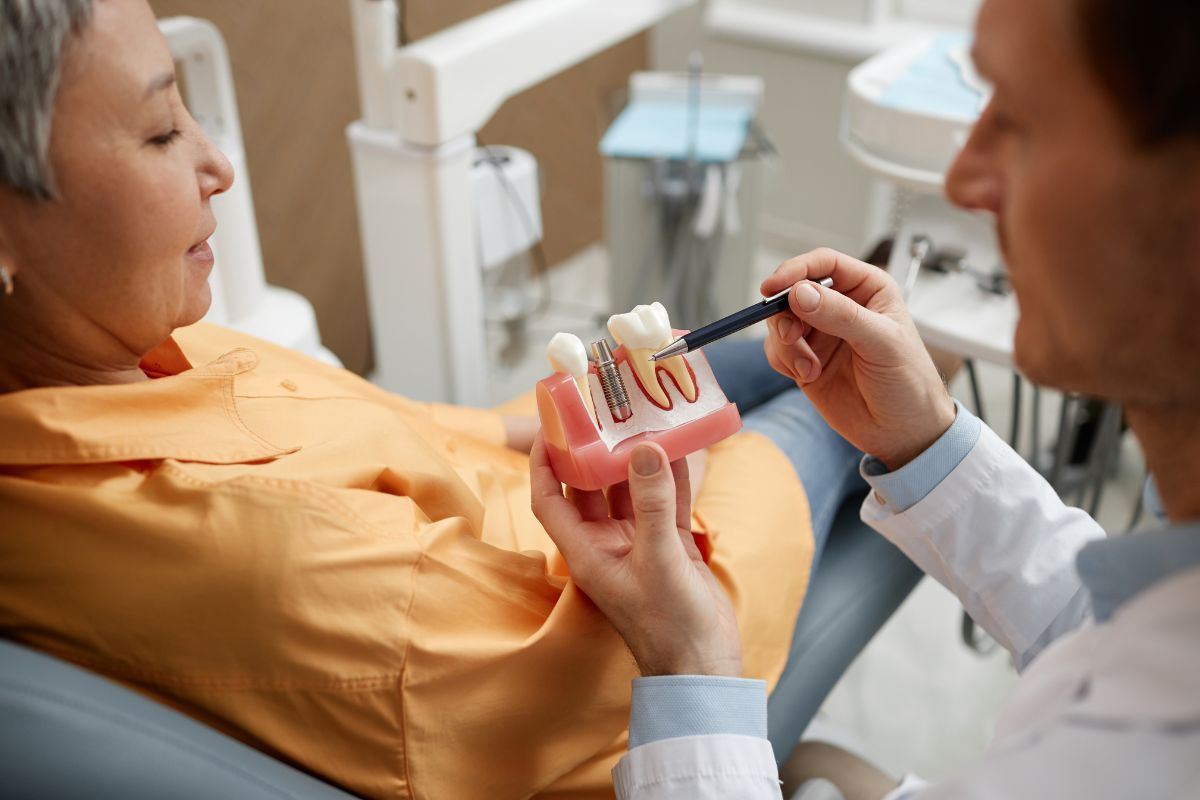
A dental implant treatment plan typically starts with a digital scan and a conversation, not a scalpel. Your dentist maps out your bone structure, checks for gum disease, and builds a plan around your specific mouth – because “one size fits all” was never really true for implant dentistry, myths aside.
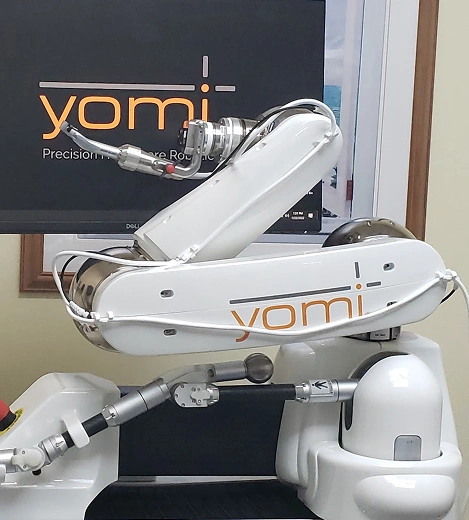
Technology has narrowed the gap between what implant treatment used to require and what it asks of patients today. Guided, robotic-assisted placement systems allow for smaller incisions, more predictable positioning, and often a faster path from consultation to a finished, natural-looking tooth.
Curious about how this technology compares with traditional implant surgery? Read Why More Patients Are Choosing Robot-Assisted Dental Implants Over Traditional Surgery to learn how robotic-assisted technology is changing the implant experience.
⭐⭐⭐⭐⭐ Marie Pascua
I have been with this dental office for years because of Dr. Stanley Ngo. Very good dentist. I will recommend him to try him out.
Meet Dr. Stanley Ngo, DDS

Dr. Ngo has led SK2 Dental in North Dallas since 2004, working alongside Dr. Daniel Vo and Dr. Kevin Do to give patients a place where implant care feels personal instead of clinical. He was among the first in the area to bring Yomi, the FDA-cleared robotic-assisted implant system, into everyday treatment planning, pairing that precision with a chairside manner patients describe as patient and reassuring. Schedule a consultation with Dr. Ngo to talk through your options.
| Ready to Replace the Myths With Real Answers? A short consultation with Dr. Ngo’s team can tell you exactly where you stand — no pressure, no guesswork. Request a Consultation! |
Why North Dallas Patients Keep This Practice in Mind
Missing tooth replacement isn’t a decision most people want to research from scratch. Having a Dallas dental office that’s been part of the neighborhood for two decades with free parking, a team that knows your history, and technology that keeps pace with the field takes some of the pressure off. That local familiarity, paired with advanced tools like Yomi, is part of why implant dentist searches in North Dallas keep leading back to the same few trusted names.
| Stop Waiting on a Myth. Start Your Consultation. Every year without a permanent tooth replacement is a year of extra strain on your bone, bite, and confidence. Let’s find out what your options really look like. Call Us to Book Your Appointment Today! |
Frequently Asked Questions
1. Are dental implants really as painful as people say?
No. The procedure is performed under local anesthesia, and most patients describe the discomfort afterward as similar to a tooth extraction. Any soreness or swelling is typically manageable with mild pain relief for a few days.
2. How long do dental implants actually last?
With good oral hygiene and regular dental checkups, dental implants can last for decades. For many patients, an implant becomes a long-term tooth replacement rather than a treatment that needs to be repeated every few years.
3. Is missing tooth replacement only about appearance?
No. Replacing a missing tooth can support more than your smile’s appearance. An untreated gap may contribute to bone loss, shifting teeth, and changes in your bite over time, making tooth replacement an important part of maintaining your oral health.
4. Can older adults get dental implants safely?
Yes. Age alone does not automatically rule someone out for dental implants. Your overall oral health, gum condition, jawbone density, and general health are more important factors. An implant dentist can evaluate these factors during a consultation.
5. Are dental implants only for people who have lost all their teeth?
No. Dental implants can be used to replace a single missing tooth, several missing teeth, or an entire arch. Your dentist can recommend the appropriate implant treatment based on the number and condition of your missing teeth.
6. Do dental implants look and feel like natural teeth?
Modern dental implants are designed to look and function much like natural teeth. The implant crown can be custom-shaped and shade-matched to your surrounding teeth, helping it blend naturally with your smile.
7. Is recovery from dental implants really months long?
The initial recovery after implant placement is typically much shorter than the full healing process. Mild soreness and swelling may occur for a few days, while osseointegration—the process of the implant bonding with the jawbone—continues gradually over the following weeks or months.
8. How do I know if I’m a good candidate for dental implants?
The best way to determine whether dental implants are right for you is through a personalized consultation. Your dentist can evaluate your gums, jawbone, overall oral health, and tooth replacement needs, often using digital imaging or scans to develop an appropriate treatment plan.