You catch your reflection in a store window and something feels off. Not wrinkles, exactly. Not tired eyes. Something feels different — maybe your cheek looks slightly more hollow, or your jawline isn’t as defined as it once was. Most people assume it’s simply part of getting older. Sometimes, though, the real cause is much smaller: a single missing tooth quietly changing your face from the inside out.
It may sound surprising, but there’s real biology behind it. Your face isn’t just skin stretched over bone—it’s supported by the jawbone beneath it, and every tooth root helps keep that bone healthy and strong. When a tooth is lost, the surrounding bone no longer receives the stimulation it needs and gradually begins to shrink. Over time, that loss of support can subtly change the shape of your face.
The encouraging news is that modern dental implant options can help replace more than just the visible tooth. By restoring stimulation to the jawbone, dental implants can help preserve facial structure, support long-term oral health, and reduce the bone loss that often follows untreated tooth loss.
The Missing Piece Nobody Talks About
Most people think of a missing tooth as a gap — something you notice when you smile, or something that makes chewing a little harder on that side. What rarely gets explained is what happens underneath the gum line.
Every time you bite or chew, the root of a tooth sends a signal into the jawbone that tells it, essentially, to keep rebuilding itself. That stimulation is what keeps the bone dense. Once a tooth is gone, that signal stops. The bone in that area has no reason to stay as strong as it was, so your body slowly resorbs it — breaks it down and doesn’t replace it.
Did You Know?
The jawbone beneath a missing tooth can lose a significant portion of its width within the first year alone, and that loss continues gradually for years afterward if the tooth is never replaced.
Why It Matters More Than People Realize
Your cheeks and lips don’t float on their own — they rest on the bone and teeth beneath them. Take away the support in one spot, and that section quietly begins to lose its shape. It doesn’t happen overnight. It happens the way most structural changes happen: gradually, until one day the difference is hard to ignore.
How a Single Gap Can Change Your Face
- Localized hollowing: A sunken look in the cheek closest to the missing tooth, especially noticeable in photos or side lighting.
- Jaw misalignment: The jawline can shift slightly out of alignment as neighboring teeth drift and the bite adjusts.
- Lip changes: Lips can appear thinner or less supported on the affected side.
- Premature sagging: Reduced bone support can contribute to sagging along the jaw and cheek earlier than expected.
The Risks of Waiting
None of this happens all at once, which is exactly why it’s easy to put off. But delaying tooth replacement doesn’t pause the process, it just gives it more time to progress.
- Compounding bone loss: The longer a tooth stays missing, the more bone is lost, and the more visible the facial changes can become.
- Shifting teeth: Neighboring teeth can tilt or drift into the empty space, changing your bite and adding uneven wear.
- Jaw strain: An altered bite can strain the jaw joint, sometimes contributing to soreness or tension headaches.
- More complex treatment later: Significant bone loss can mean additional procedures, like bone grafting, before implant placement becomes possible.
- Lasting facial changes: Facial asymmetry that develops gradually can become harder to fully reverse the longer it’s left unaddressed.
Many people unintentionally make decisions that complicate implant treatment later, such as waiting too long, ignoring bone loss, or choosing temporary fixes without understanding the long-term impact. If you’re considering replacing a missing tooth, it’s worth learning about the implant mistakes that can turn a simple solution into a more complex procedure before moving forward.
The Professional Solution: Rebuilding From the Root
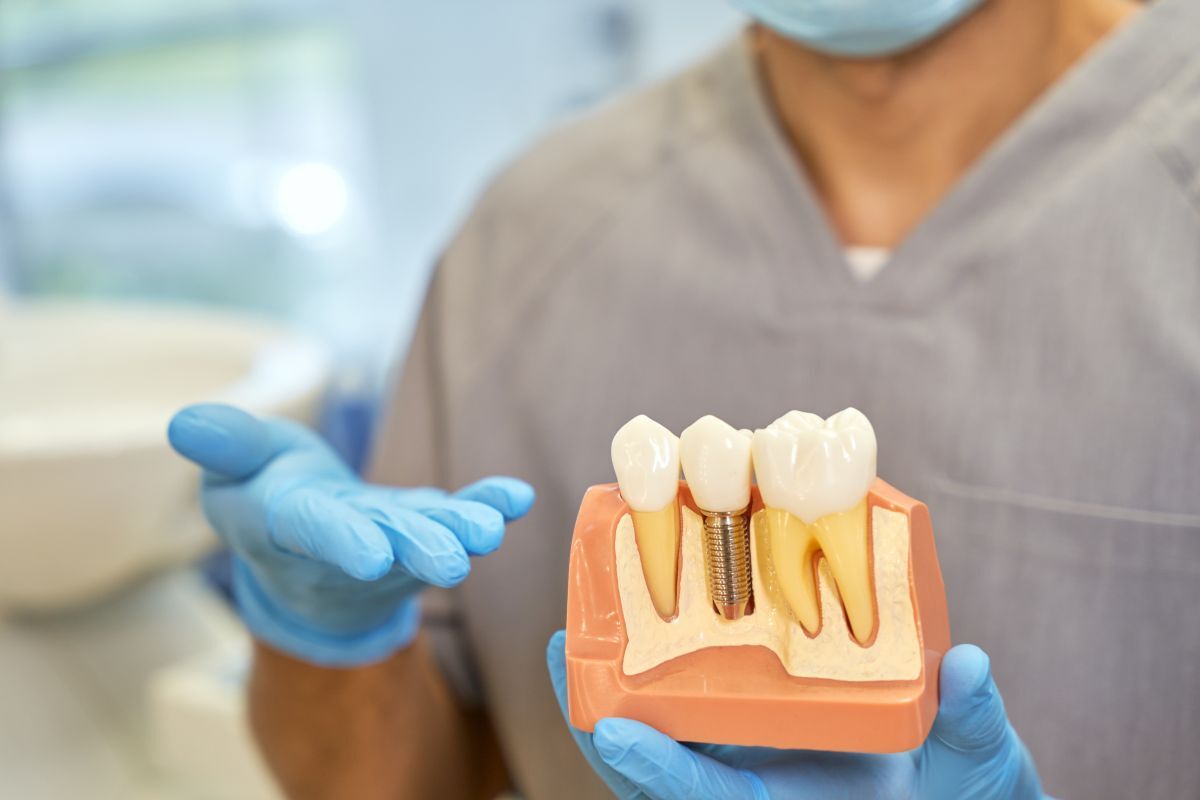
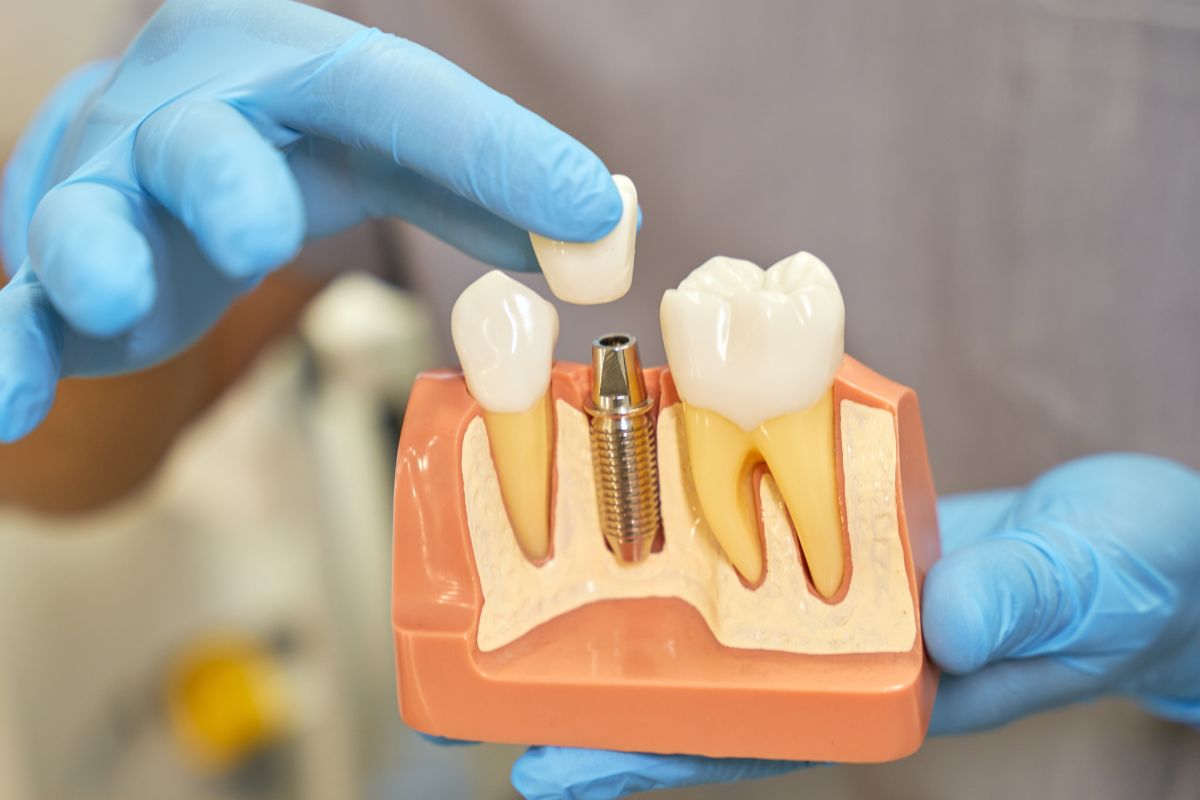
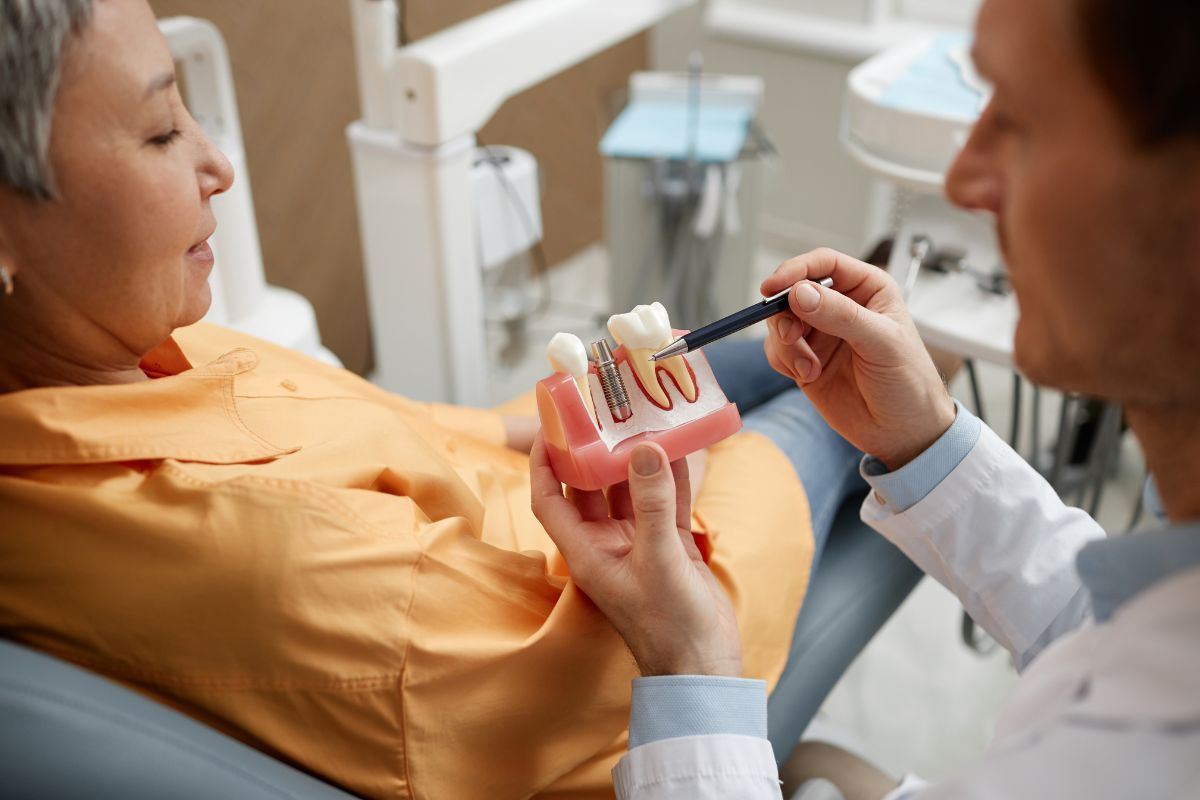
Bridges and removable dentures can restore your smile’s appearance, but neither one replaces the tooth root — which means neither one gives the jawbone the stimulation it needs to stop resorbing. A dental implant is different. It’s placed directly into the jawbone, acting as an artificial root that keeps sending that stimulation signal, which helps preserve both bone density and facial structure over time.
Why Precision Placement Matters
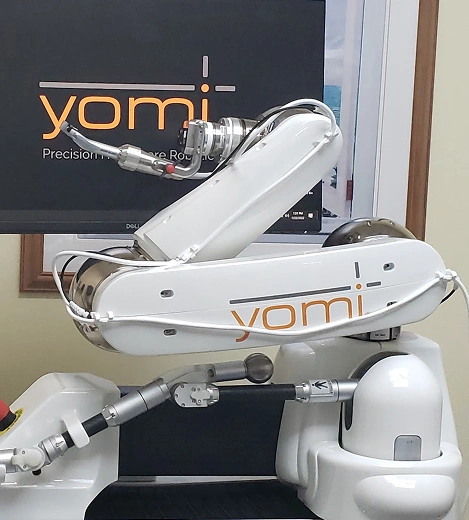
Where an implant is positioned, down to a fraction of a millimeter affects how well it supports the surrounding bone and how naturally your bite and facial contour are restored. That’s where YOMI®, a robotic-assisted dental implant system, comes in. YOMI provides real-time, image-guided assistance during surgery, helping the treating dentist place each implant with a level of accuracy that’s difficult to achieve with manual placement alone, particularly in cases where some bone loss has already occurred.
In practical terms, that means a more predictable procedure, a restoration designed to fit your unique anatomy, and a plan built around preserving as much natural facial support as possible.
Trusted Dental Implant Care in Dallas
At SK2 Dental – Ngo Stanley DDS, PA, patients throughout North Dallas, Richardson, Plano, Garland, and Fort Worth come in with the same quiet concern: something about their smile, or their face, doesn’t look the way it used to. Every evaluation starts with understanding what’s happening beneath the surface — bone health, bite alignment, and how a missing tooth may already be affecting facial support — before recommending next steps. Call us to schedule an appointment!
Meet Dr. Kevin Do

Dr. Kevin Do is committed to providing patient-centered dental care with a focus on precision, comfort, and long-term oral health. Whether you’re replacing a missing tooth or exploring advanced implant solutions, he takes the time to explain every step of the process and create a treatment plan tailored to your individual needs. By combining modern technology with a gentle approach, Dr. Do helps patients restore healthy, confident smiles while making the experience as comfortable as possible. Schedule a consultation with Dr. Do to talk through your options.
⭐⭐⭐⭐⭐ Thanh Nguyen
Dr Kevin did my implants and I love how my smile is! I can’t wait until everything is done!
Read more Google Reviews!
Implant Options at a Glance
Not every tooth replacement option protects the jawbone the same way. Here’s a quick comparison of how common options stack up when it comes to preserving bone and facial structure:
| Replacement Option | Stops Bone Loss? | Restores Facial Support? | Typical Longevity |
|---|---|---|---|
| Removable Partial Denture | No | Minimal | 3–5 years |
| Traditional Fixed Bridge | No | Partial | 10–15 years |
| Standard Dental Implant | Yes | Yes | 20+ years |
| YOMI® Robotic-Guided Implant | Yes | Yes, with added placement precision | 20+ years |
Signs a Missing Tooth May Already Be Affecting Your Face
- One cheek looks flatter: Facial fullness looks uneven when comparing recent photos to older ones.
- Your bite has shifted: Your bite feels slightly different than it did a year or two ago.
- Chewing feels harder on one side: Chewing on the side with the missing tooth feels less efficient or requires more effort.
- Neighboring teeth look tilted: Nearby teeth look angled or tilted compared to how they used to sit.
- You’re more self-conscious about photos: You find yourself avoiding certain photo angles or smiling less openly than before.
Changes caused by a missing tooth are often so gradual that they’re easy to overlook until they begin affecting your appearance, bite, or comfort. If you’ve noticed any of these signs—or aren’t sure whether your condition is progressing—our guide on 7 Warning Signs Your Missing Tooth Problem May Be Getting Worse Faster Than You Think explains what to watch for and when it’s time to seek professional care.
Frequently Asked Questions
1. Can one missing tooth really change your face shape?
Yes. Losing even one tooth removes stimulation to the jawbone in that area, which can lead to bone loss over time. As the bone shrinks, the cheek and jawline on that side may begin to look slightly sunken or uneven, especially if the tooth is not replaced.
2. How long does it take for a missing tooth to affect your face?
Bone loss can begin within just a few months after losing a tooth. While facial changes are usually gradual, they may become noticeable over one to several years if the missing tooth is left untreated.
3. Can dental implants reverse facial changes caused by tooth loss?
Dental implants can help prevent further bone loss and restore support for the surrounding facial tissues. If significant bone has already been lost, your dentist may recommend a bone graft before implant placement to rebuild a stable foundation.
4. What is YOMI, and how is it different from traditional implant surgery?
YOMI is an FDA-cleared robotic-assisted guidance system used during dental implant procedures. It provides real-time surgical guidance to help your dentist place implants with greater precision, especially in cases where bone anatomy is more complex.
5. Is bone loss after losing a tooth reversible?
Bone that has already been lost does not naturally grow back on its own. However, treatments such as bone grafting can restore bone volume in many cases, making it possible to support a dental implant successfully.
6. How can I tell if a missing tooth is already affecting my jawbone?
The only reliable way to know is through a dental examination with digital X-rays or a 3D scan. These images allow your dentist to evaluate bone density, identify early bone loss, and recommend the most appropriate treatment.
7. Are dental implants painful when placed using YOMI-guided technology?
Most patients report that implant treatment is more comfortable than they expected. Local anesthesia keeps you comfortable during the procedure, and the precision of YOMI-guided surgery may help minimize surgical trauma and support a smoother recovery.
8. How soon should I replace a missing tooth to help prevent facial changes?
Replacing a missing tooth as soon as reasonably possible is generally the best approach. Early treatment helps preserve jawbone, maintain natural facial support, and may reduce the need for additional procedures such as bone grafting later.