Losing a tooth rarely feels urgent at first.
You learn to chew on the other side. You smile differently in photos. Maybe you tell yourself you’ll “deal with it later.”
But months pass. Then years.
And suddenly the changes become harder to ignore- shifting teeth, jaw discomfort, trouble chewing, facial changes, or another tooth starting to weaken.
Many patients in Dallas are surprised to learn that the real problem often isn’t the missing tooth itself. It’s what happens after the space is left untreated.
If you’ve been wondering whether it’s time to replace a missing tooth, these are some of the biggest signs you may need dental implants sooner than you think.
Why Missing Teeth Cause More Problems Than Most People Realize
A tooth does more than help you chew.
Your natural tooth root supports the jawbone, helps maintain bite alignment, and keeps nearby teeth stable. Once a tooth is lost, the bone underneath no longer receives stimulation. That’s when the changes begin.
Common long term tooth loss effects include:
- Bone shrinkage in the jaw
- Teeth shifting out of place
- Bite imbalance
- Increased wear on surrounding teeth
- Changes in facial appearance
- Difficulty chewing certain foods
- Higher risk of gum disease and tooth decay
Many people wait until discomfort becomes obvious. Unfortunately, by that point, treatment can become more complex.
If you want to understand how untreated tooth loss can affect your jawbone, bite alignment, and long-term oral health, read our guide on what happens if you don’t replace a missing tooth and the risks patients often overlook.
1. Your Teeth Are Starting to Shift
One missing tooth can slowly affect your entire bite.
Nearby teeth naturally begin drifting into the empty space. Opposing teeth may also move because they no longer have contact support.
Patients often notice:
- Teeth looking crooked suddenly
- Small gaps forming
- Food getting trapped more often
- Bite changes while chewing
- Increased enamel wear
This shifting can eventually impact oral hygiene, smile appearance, and jaw comfort.
Replacing a missing tooth early may help preserve proper alignment and reduce future restorative dentistry needs.
2. You Avoid Chewing on One Side
A lot of people adapt without realizing it.
If you automatically chew on one side of your mouth, your body may already be compensating for tooth loss or instability.
This uneven chewing pressure can lead to:
- Jaw soreness
- Muscle fatigue
- Bite imbalance
- Cracked teeth
- Uneven enamel wear
Over time, extra stress on healthy teeth can create additional dental problems that may have been preventable.
3. Your Face Looks Slightly Different
One of the lesser-known missing tooth complications involves facial structure.
When jawbone volume decreases after tooth loss, the lower face can begin losing support.
Some patients notice:
- Sunken cheeks
- Premature facial aging
- Thinner lips
- Sagging around the mouth
This happens because the jawbone gradually shrinks without a tooth root present.
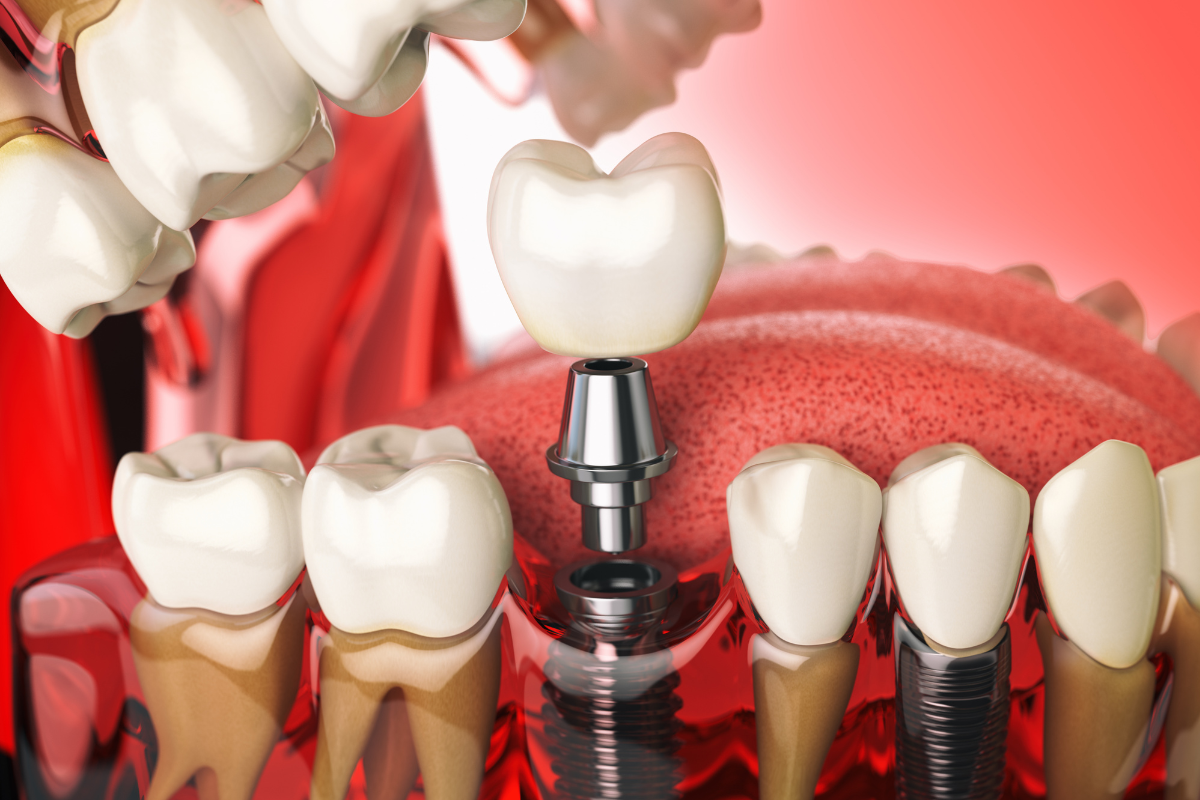
Bone loss dental implants are designed to help address this issue because implants replace the missing root structure beneath the gums, not just the visible tooth.
4. Your Dentures or Bridge Feel Less Stable
If you already wear a bridge or denture and it no longer feels secure, underlying bone changes may be occurring.
Traditional removable options can loosen as the jaw changes shape over time.
Patients often report:
- Clicking dentures
- Sore spots
- Difficulty eating
- Embarrassment while speaking
- Adhesive dependency
Dental implants may provide additional support and stability compared to removable solutions alone.
At SK2 Dental in Dallas, advanced implant planning technology helps improve precision and consistency during treatment.
5. You’ve Had a Missing Tooth for More Than a Year
The longer a tooth remains missing, the greater the risk of jawbone shrinkage.
In many cases, bone loss begins within the first year after tooth extraction.
That matters because severe bone loss can sometimes require additional procedures before implants can be placed.
Patients often assume:
“If it doesn’t hurt, it’s probably okay.”
But silent bone changes are common after tooth loss.
The earlier the problem is evaluated, the more treatment options may be available.
6. Your Jaw or Bite Feels “Off”
A missing tooth can affect how your upper and lower teeth come together.
This may create:
- Jaw tension
- Clicking sounds
- Uneven pressure
- Teeth grinding
- Headaches
- Bite instability
Even one missing molar can disrupt balance across the entire mouth.
When bite alignment changes, surrounding teeth may begin absorbing excessive force, increasing the risk of fractures or restorative failure later.
7. You’re Becoming More Self-Conscious About Your Smile
Sometimes the emotional impact appears before the physical symptoms.
Many patients avoid:
- Smiling in photos
- Speaking confidently
- Eating in public
- Social interactions
That emotional stress matters too.
Modern dental implants are designed to look, feel, and function more like natural teeth while supporting long-term oral health.
How Dental Implants Help Protect Long-Term Oral Health
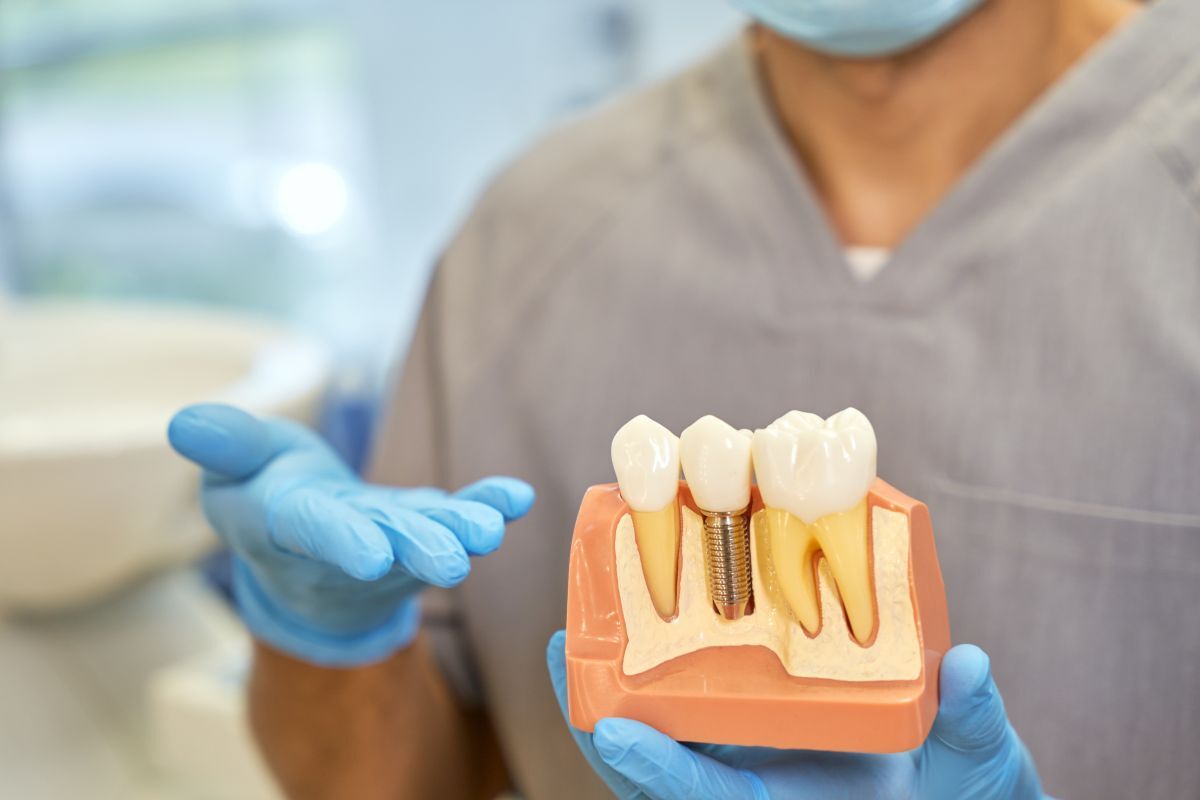
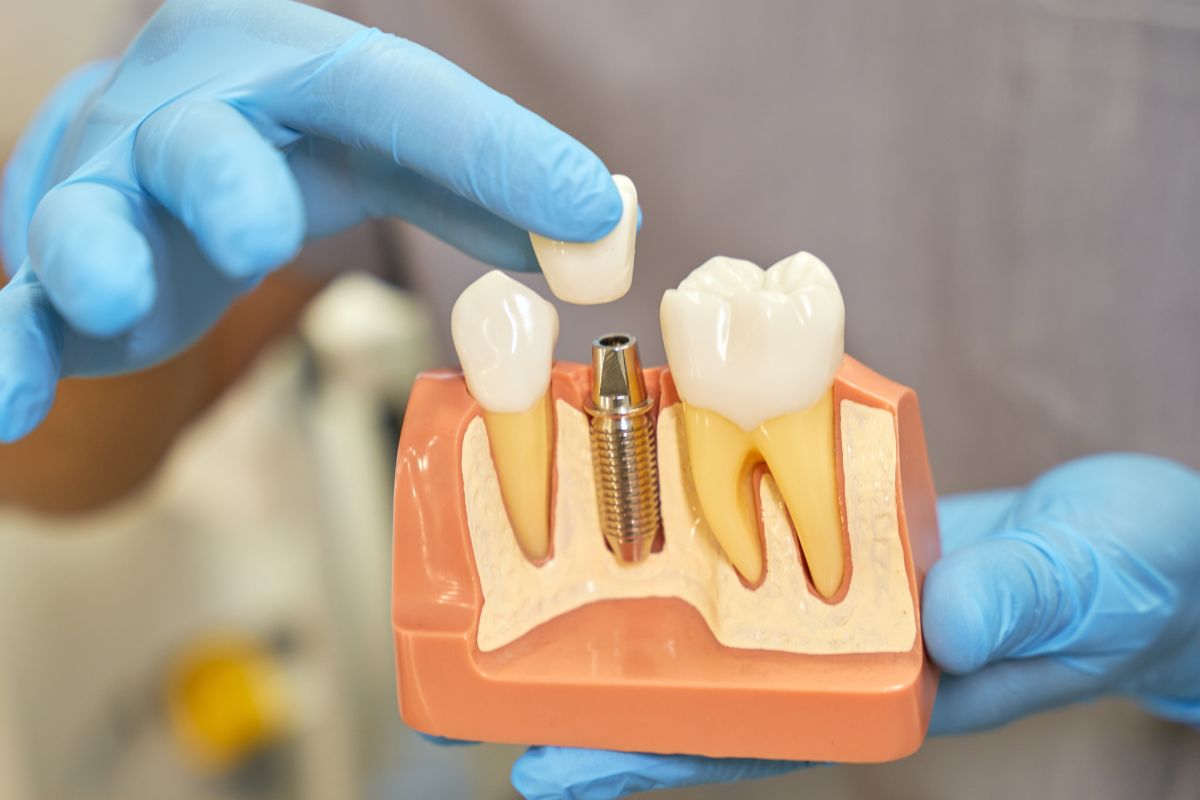
Dental implants replace both the visible tooth and the root beneath the gums.
That’s one reason they’re often recommended for long-term tooth replacement.
Potential dental implant benefits Dallas patients often look for include:
| Concern | How Implants May Help |
| Bone shrinkage | Helps stimulate jawbone |
| Tooth shifting | Maintains spacing |
| Chewing difficulty | Restores bite support |
| Smile appearance | Mimics natural teeth |
| Denture instability | Improves retention |
| Facial collapse | Supports facial structure |
Unlike removable solutions, implants integrate with the jawbone and become part of the foundation of your smile.
Advanced Implant Technology at SK2 Dental
At SK2 Dental – Ngo Stanley DDS, PA, patients receive implant care using modern planning technology designed to improve treatment precision and comfort.
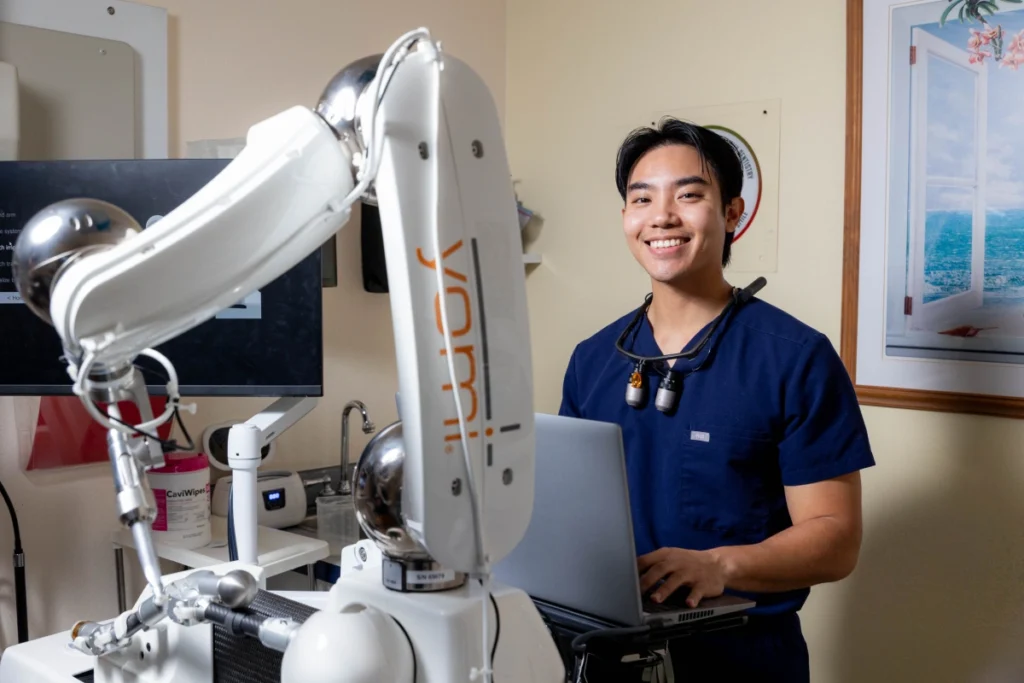
The practice uses the Yomi® Robot-Assisted Surgical System, the first and only FDA-cleared robotic-assisted dental implant surgery system.
Yomi® helps the dental team:
- Plan implant placement accurately
- Improve consistency during surgery
- Support less invasive treatment approaches
- Enhance precision for single or multiple missing teeth
Whether someone is replacing one tooth or restoring a full smile, advanced digital guidance can help create a more predictable treatment experience.
Concerned about discomfort during treatment? Many patients are surprised by how manageable modern implant procedures can feel. You can also read our article on what to expect before and after dental implant surgery to better understand the recovery process and comfort expectations.
Patient Trust & Experience
Patients at SK2 Dental often mention the welcoming atmosphere, detailed explanations, and supportive care they receive during treatment.
One Google reviewer, Helena V., shared,
Dr Daniel did my fillings same day and it was very good and looks great! Very white and got my cleaning same day! Everyone was very nice and comforting during my appointment. Answered all my questions and helped my son during his appointment! Great office! Vicky and Oanh were so great!
Experiences like these can help patients feel more confident when exploring restorative and implant treatment options.
You can also see what local patients are saying through Google reviews before scheduling your consultation.
When Should You Talk to a Dentist About Missing Teeth?
Sooner than most people think.
Even if you recently lost a tooth and feel fine today, early evaluation may help prevent more extensive problems later.
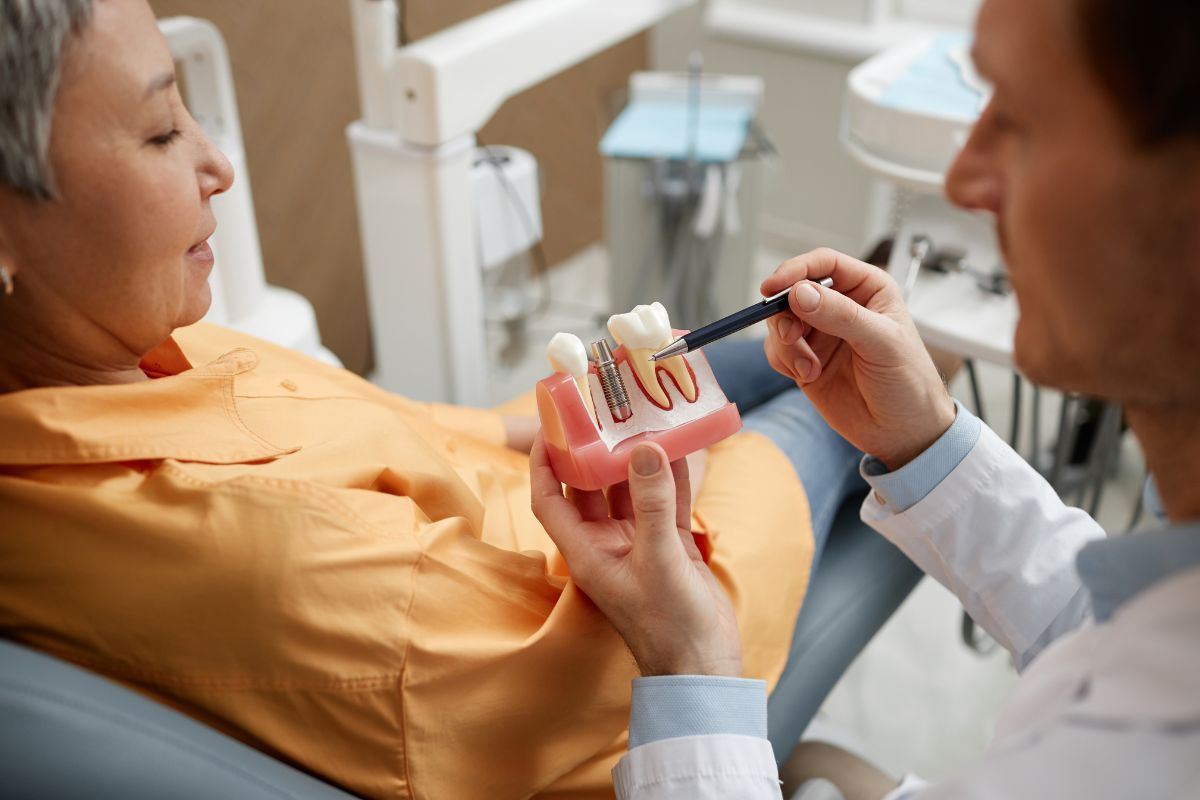
A dental implant consultation may include:
- Digital imaging
- Bone evaluation
- Bite assessment
- Gum health examination
- Review of restorative options
The goal is not pressure. It’s understanding what’s happening beneath the surface before the damage progresses.
Looking for Answers About Dental Implants in Dallas?
If you’ve noticed shifting teeth, difficulty chewing, facial changes, or ongoing bite discomfort, it may be time to explore your options before the problem worsens.
The team at SK2 Dental helps patients throughout Dallas understand whether implant treatment may be appropriate for their situation.
Call us today to schedule a consultation and discuss your options with the SK2 Dental team. Early treatment may help reduce future complications related to bone loss, shifting teeth, and long-term bite changes.
Frequently Asked Questions
What are the early signs you may need dental implants?
Common signs include missing teeth, shifting teeth, chewing difficulty, jaw discomfort, bone loss, loose dentures, and changes in facial appearance.
How long can you wait before getting a dental implant?
It depends on bone health, gum condition, and overall oral health. However, waiting too long may increase bone loss and complicate treatment.
Can missing teeth cause bone loss?
Yes. After tooth loss, the jawbone may begin shrinking because it no longer receives stimulation from the tooth root.
Are dental implants better than bridges?
Dental implants may help preserve jawbone and avoid placing stress on nearby teeth. The right option depends on your specific dental condition.
Do dental implants look natural?
Modern implants are designed to blend with surrounding teeth in shape, color, and function.
Can one missing tooth affect the entire mouth?
Yes. A single missing tooth can impact bite alignment, chewing balance, enamel wear, and surrounding teeth over time.
What makes Yomi® robotic-assisted implant surgery different?
Yomi® helps dentists plan and place implants with advanced digital guidance, improving precision and consistency during treatment.
Is bone grafting always needed before dental implants?
Not always. Some patients have enough healthy bone naturally, while others may need grafting due to long-term tooth loss effects.
Final Thoughts
Ignoring a missing tooth may seem harmless in the beginning but the effects often spread quietly through the jaw, bite, gums, and surrounding teeth.
The good news is that modern implant dentistry offers solutions designed not only to restore your smile, but also to help preserve long-term oral health and function.
If something feels different in your mouth lately, it may be worth getting it evaluated before the changes become harder to reverse. Book now to schedule your consultation and learn whether dental implants may be the right next step for your oral health and confidence.