Missing tooth consequences go far beyond appearance. If a tooth isn’t replaced, it can lead to bone loss, shifting teeth, bite problems, gum disease, and even facial changes over time. These issues often worsen gradually, making early evaluation important.
What Are the Consequences of a Missing Tooth?
A missing tooth is more than just a gap in your smile—it’s a structural problem that affects your entire oral system. Teeth support each other, your jawbone relies on stimulation, and your bite depends on proper alignment.
When one tooth is lost, a chain reaction can begin.
Common missing tooth consequences include:
- Jawbone shrinkage (bone resorption)
- Shifting or drifting of nearby teeth
- Bite misalignment (malocclusion)
- Increased risk of tooth decay and gum disease
- Difficulty chewing and speaking
- Changes in facial structure over time
Why Replacing a Missing Tooth Is Important
Your teeth and jawbone function as a unit. Every time you chew, the roots of your teeth stimulate the jawbone, keeping it strong and dense.
Without that stimulation, bone loss after tooth loss begins—sometimes within months.
Key reasons replacement matters:
- Maintains jawbone density
- Keeps surrounding teeth in position
- Preserves your bite and chewing efficiency
- Supports facial structure
- Prevents long-term dental complications
When Does Tooth Loss Start Causing Problems?
The timeline varies, but changes can begin sooner than most people expect.
Typical progression:
- Within weeks: Gum tissue begins healing
- Within 3–6 months: Noticeable bone loss after tooth loss begins
- 6–12 months: Adjacent teeth may start shifting
- 1–3 years: Bite problems and uneven wear develop
- Long-term: Facial sagging and multiple dental issues may occur
Even if you don’t feel pain, silent damage can still be happening.
What Happens If You Don’t Replace a Missing Tooth?
1. Bone Loss in the Jaw
One of the most serious missing tooth consequences is bone resorption.
When a tooth root is no longer present:
- The jawbone loses stimulation
- Bone volume decreases
- The area becomes weaker over time
This can eventually affect neighboring teeth and complicate future treatment options.
2. Teeth Shifting and Misalignment
Teeth naturally move toward empty spaces.
This can lead to:
- Crooked teeth
- Gaps or crowding
- Difficulty cleaning between teeth
Misalignment also increases the risk of cavities and gum disease.
3. Bite Problems (Malocclusion)
When teeth shift, your bite changes.
You may experience:
- Uneven pressure when chewing
- Jaw discomfort
- Increased wear on certain teeth
Over time, this can affect your jaw joints and overall oral function.
4. Higher Risk of Gum Disease and Decay
Gaps created by missing teeth trap food and bacteria.
This increases:
- Plaque buildup
- Gum inflammation
- Risk of periodontal disease
5. Difficulty Chewing and Speaking
Depending on the location of the missing tooth:
- Chewing efficiency decreases
- Certain words may become harder to pronounce
This can impact nutrition and confidence.
6. Changes in Facial Appearance
Over time, bone loss can lead to:
- Sunken cheeks
- Premature aging
- Altered facial contours
This is especially common when multiple teeth are missing.
What Are Your Tooth Replacement Options?
While this guide focuses on education, understanding your options helps you make informed decisions.
Common solutions include:
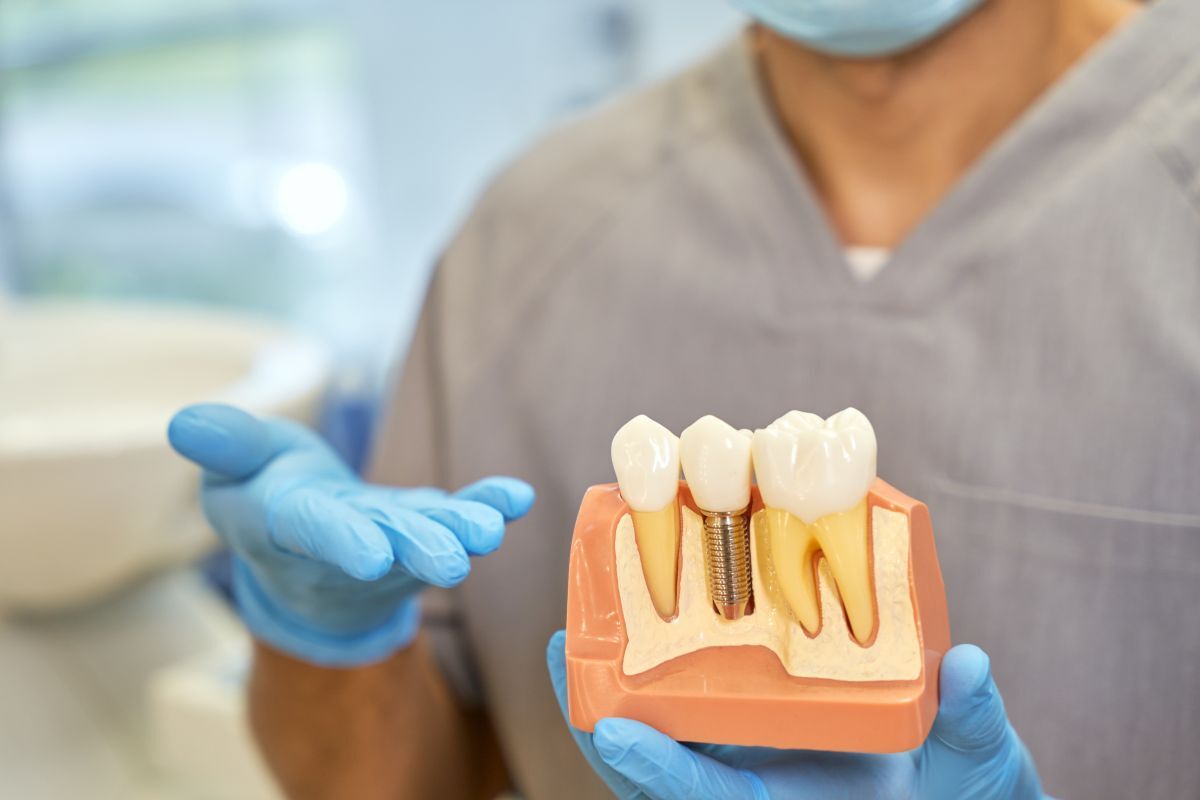
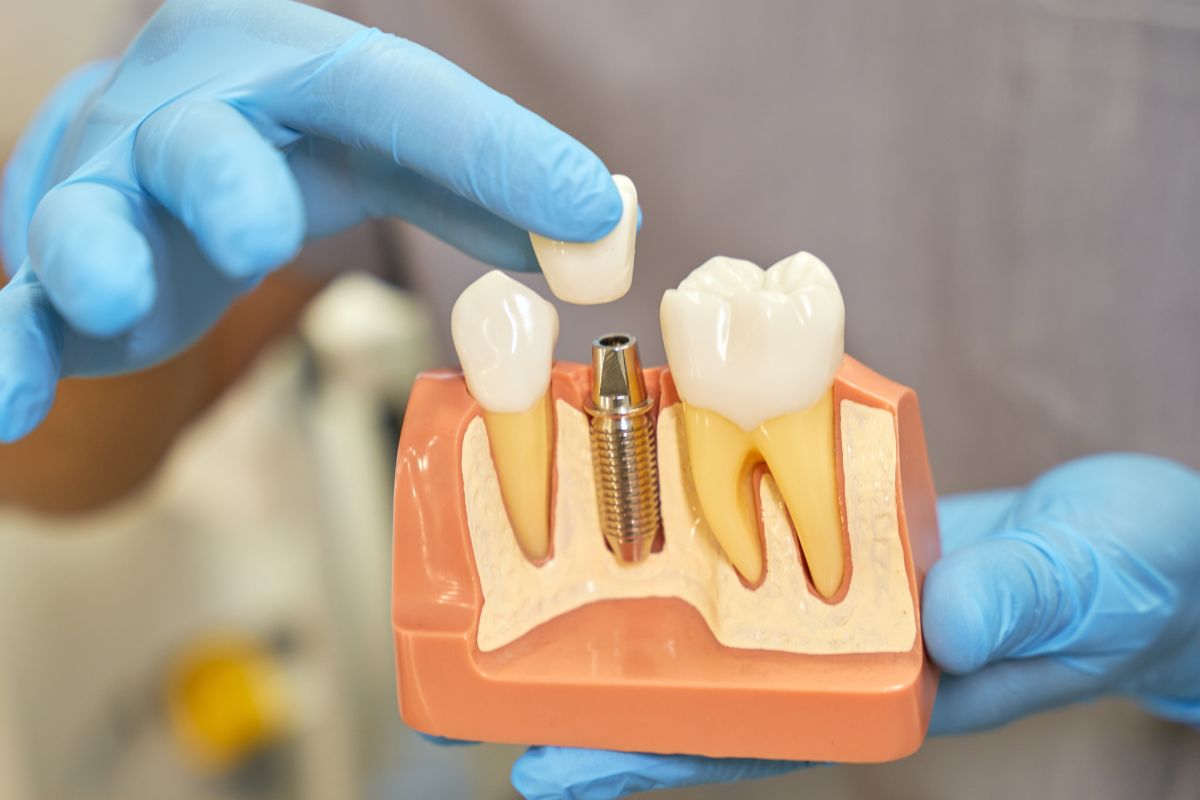
- Dental implants (replace root and crown)
- Bridges (supported by adjacent teeth)
- Partial dentures
Each option has different benefits depending on your oral health and goals.
Not Sure If Dentures Are Right for You?
If you’re exploring non-surgical ways to replace missing teeth, modern dentures have come a long way in terms of comfort, appearance, and functionality. Today’s options are designed to restore not just your smile, but also your ability to speak and eat with confidence.
Read more: Missing Teeth? How Modern Denture Solutions Can Restore Your Smile, Speech & Everyday Confidence
Benefits of Replacing a Missing Tooth
Replacing a missing tooth early can prevent most complications.
Key benefits:
- Preserves jawbone health
- Prevents shifting teeth
- Restores chewing and speech
- Maintains facial structure
- Supports long-term oral health
Risks of Delaying Tooth Replacement
Waiting too long can make treatment more complex.
Potential risks:
- Advanced bone loss requiring grafting
- More extensive orthodontic correction
- Higher long-term treatment costs
- Limited treatment options
Aftercare and Maintenance Tips
Whether you replace your tooth or not, proper care is essential.
Daily care includes:
- Brushing twice daily
- Flossing around neighboring teeth
- Using antibacterial mouthwash
- Regular dental checkups
If you have a replacement:
- Follow your dentist’s hygiene instructions
- Avoid excessive pressure on new restorations
- Attend follow-up visits
When Should You See a Dentist?
You should seek an evaluation if:
- You recently lost a tooth
- You notice shifting teeth
- You experience chewing difficulty
- You want to explore replacement options
For patients in Dallas, early consultation can help preserve bone and expand your treatment choices before complications develop.
If you’re concerned about missing tooth consequences, consider scheduling a professional evaluation. A dentist can assess bone health, alignment, and recommend the most suitable next steps based on your needs. Call now to talk to our professionals and get personalized guidance on your tooth replacement options—early action leads to better outcomes.
Frequently Asked Questions (FAQs)
How long can you go without replacing a missing tooth?
You can technically live without replacing it, but bone loss after tooth loss can begin within months, and complications increase over time.
Is it really necessary to replace a back tooth?
Yes. Even molars play a critical role in chewing and maintaining alignment. Ignoring them can lead to bite problems.
Does everyone experience bone loss after losing a tooth?
Yes, bone loss is a natural process after tooth loss, though the rate varies from person to person.
Can teeth shift after just one missing tooth?
Yes. Even a single gap can cause neighboring teeth to move over time.
What is the best option to replace a missing tooth?
It depends on your oral health, but dental implants are often considered the most comprehensive solution because they replace the root.
Is tooth replacement painful?
Most procedures are performed with anesthesia, and discomfort is usually manageable during recovery.
What happens if multiple teeth are missing?
The risks increase significantly, including severe bone loss, facial changes, and functional problems.
Conclusion
Ignoring a missing tooth may seem harmless at first, but the long-term consequences can affect your oral health, appearance, and overall well-being. Understanding these risks helps you make informed decisions and avoid preventable complications. Schedule a professional evaluation today to explore your options and protect your long-term dental health.