Have you ever felt a sharp pain when biting down, noticed a crack in your tooth, or worried that a damaged tooth might suddenly break? That quiet fear in the back of your mind is more common than you think — and often, it’s your body’s way of telling you something isn’t right.
If you’re searching for dental crowns in Dallas, you’re likely dealing with discomfort, damage, or concern about your tooth’s strength. A dental crown can protect your tooth before it fractures, saving you from pain, infection, and costly emergency treatment.
Let’s explore the key warning signs, risks, and professional solutions — so you can protect your smile before bigger problems begin.
Why Do Teeth Become Weak Or Damaged?
Your teeth endure years of chewing, grinding, temperature changes, and pressure. Over time, even strong teeth can weaken due to:
- Large cavities
- Old or failing fillings
- Cracked or fractured enamel
- Root canal treatment
- Tooth grinding (bruxism)
- Trauma or injury
When a tooth becomes structurally weak, it becomes vulnerable to breaking — and once a tooth fractures badly, saving it becomes much harder.
Why Acting Early Matters More Than You Think?
A weakened tooth doesn’t always hurt right away. In many cases, patients wait until pain becomes severe — but by then, damage is often advanced. Delaying treatment can lead to:
- Sudden tooth fracture
- Deep infection
- Severe pain
- Swelling and abscess
- Tooth loss
- Emergency dental visits
Early tooth cap placement protects your natural tooth and preserves function. Furthermore, it helps you avoid complex procedures such as root canal therapy, extractions, or dental implants.
Common Signs You May Need A Porcelain Cap
If you notice any of these symptoms, your tooth may already be at risk:
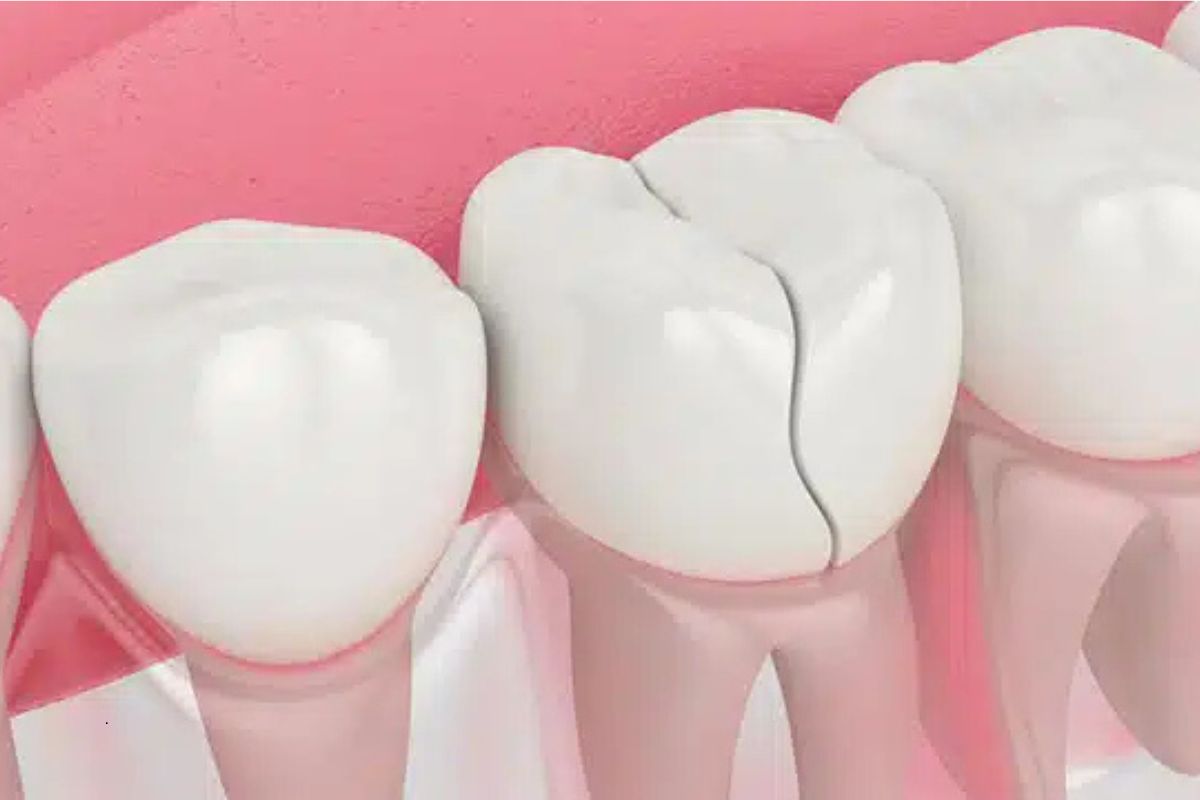
1. Cracked or Chipped Tooth
Even small cracks can spread quickly under chewing pressure. A cap prevents further splitting.
2. Large Fillings
When more than 50% of a tooth is filled, the remaining structure becomes fragile. A porcelain cap reinforces the tooth.
3. Pain When Biting or Chewing
This may signal internal fractures or structural weakness.
4. Sensitivity to Hot and Cold
Extreme sensitivity can indicate enamel loss or internal tooth damage.
5. Tooth After Root Canal Treatment
Root canal-treated teeth become more brittle. Capped teeth protect them from breaking.
6. Worn-Down Teeth from Grinding
Excessive grinding shortens teeth and weakens enamel, making fractures more likely.
7. Visible Tooth Damage or Darkening
Discoloration or visible cracks may signal internal injury.
If any of these sound familiar, a professional evaluation can help determine whether a crown is needed.
What Happens If You Don’t Protect A Weak Tooth?
Ignoring early signs may feel harmless until a tooth suddenly breaks. When that happens, treatment options become more limited.
Potential risks include:
- Emergency dental visits
- Root canal therapy
- Tooth extraction
- Bone loss
- Need for dental implants
- Higher treatment costs
- Longer recovery times
In many cases, early crown placement prevents all of these complications.
How Dental Crowns Protect Your Smile?
A capped tooth acts as a protective shield that fully covers the damaged tooth, restoring its:
- Strength
- Shape
- Function
- Appearance
It allows you to chew comfortably, smile confidently, and prevent further damage — all while preserving your natural tooth structure.
Types Of Prosthetic Crowns Available
At modern dental clinics, several crown materials are available to match your needs and smile goals:
- Porcelain crowns: Natural appearance, ideal for front teeth
- Ceramic crowns: Strong and highly aesthetic
- Zirconia crowns: Exceptional durability and beauty
- Porcelain-fused-to-metal crowns: Balanced strength and appearance
During the consultation, a local Dallas dentist will recommend the best option based on bite force, tooth location, or any cosmetic expectations.
What To Expect During A Dental Cap Procedure?
Getting a dental cap is easier than many patients expect. Here’s what usually happens:
Step 1: Comprehensive Examination
Your dentist evaluates your tooth using X-rays and visual inspection.
Step 2: Tooth Preparation
The damaged area is gently reshaped to support the cap.
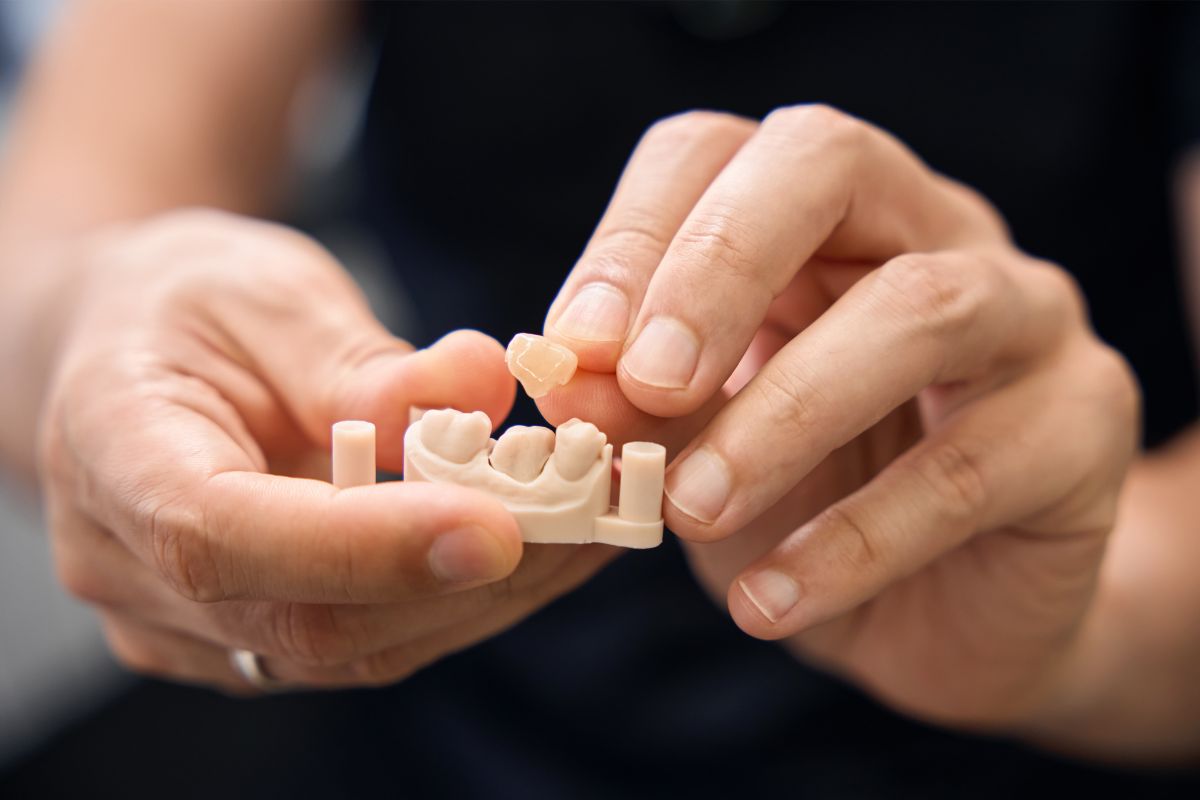
Step 3: Digital Impressions
Precise impressions ensure your crown fits naturally and comfortably.
Step 4: Temporary Crown
A temporary tooth cap protects your tooth while your permanent one is crafted.
Step 5: Final Placement
Once ready, your custom crown is securely placed and adjusted for perfect bite alignment. Most patients return to normal activities immediately after treatment.
Trusted Dental Crown Treatment In Dallas
Patients throughout Dallas and surrounding communities such as Uptown, Highland Park, Oak Lawn, and University Park trust SK2 Dental – Ngo Stanley DDS for comprehensive restorative and cosmetic care.
Patients receive a range of dental services, including crowns, cosmetic procedures, implants, and emergency care. They benefit from advanced technology, precise planning, and personalized treatment in a comfortable environment.
If your tooth is cracked, painful, or weakened, early placement of a crown can help you avoid more extensive dental procedures and protect your long-term oral health. Call us today to talk with our dental expert and find out the best treatment option for your smile.
Don’t Wait Until Your Tooth Breaks — Protect It Today
If you’re experiencing pain, cracks, or sensitivity, now is the right time to act. Early intervention for dental crowns in Dallas can prevent complications and save time and money. A timely treatment can preserve your tooth and prevent further damage. Schedule your dental crown consultation at SK2 Dental – Ngo Stanley DDS today and protect your smile before the damage becomes permanent. Same-week appointments may be available.
Frequently Asked Questions about Dental Crowns (FAQs)
1. How long do dental crowns last?
With proper care, dental crowns typically last between 10 to 15 years. Regular checkups and good oral hygiene can extend their lifespan even further.
2. Does getting a crown hurt?
The crown procedure is generally comfortable, as local anesthesia is used to numb the area. Most patients experience little discomfort during or after the procedure.
3. Can a crown save a badly damaged tooth?
Yes, crowns can restore the strength of a weakened tooth. They prevent further damage and protect the tooth from fractures or decay.
4. Are crowns noticeable?
Modern crowns are designed to match the color, shape, and size of your natural teeth. They blend seamlessly, making them virtually indistinguishable from the surrounding teeth.
5. How long does the crown process take?
Typically, the crown process requires two visits. However, same-day crowns may be available, allowing you to complete the procedure in just one appointment.
6. What happens if I delay getting a crown?
Delaying crown placement can increase the risk of tooth fractures, infections, and eventual tooth loss. It’s important to address dental issues promptly to prevent further complications.
7. Can crowns fix cosmetic issues?
Yes, crowns can address cosmetic concerns like tooth shape, size, discoloration, and alignment. They are an excellent solution for improving both the function and appearance of your teeth.
Protect Your Smile Before It’s Too Late
A weakened tooth won’t heal on its own, and without timely treatment, the damage can progress quickly. If you’re dealing with tooth pain, cracks, or signs of wear, it’s best not to wait. Schedule a dental crown consultation at SK2 Dental – Ngo Stanley DDS in Dallas today. We’ll help strengthen your tooth, relieve discomfort, and protect your smile, so you can feel confident every time you show it.