
You’re halfway through a rack of ribs at a backyard cookout in Lakewood when it happens – a sharp, electric jolt shoots through your tooth on the bite-down. Then it’s gone. No swelling. No visible chip. You finish eating, shrug it off, and move on with your night.
That flicker of pain is easy to dismiss because it doesn’t linger. But for many Dallas adults, that split-second zing is the first warning sign of a cracked tooth, and it rarely stays this quiet for long. When caught early, treatment may be as straightforward as protecting the tooth with a dental crown before the crack spreads. Waiting too long, however, can allow the damage to worsen, leading to more extensive and costly treatment.
Why That Tiny Twinge Is Worth Paying Attention To
Cracked tooth symptoms are notoriously easy to brush aside because they come and go. Unlike a cavity, which usually announces itself with steady, obvious pain, a hairline crack can hide inside a tooth for months, only flaring up when you bite a certain way or sip something cold.
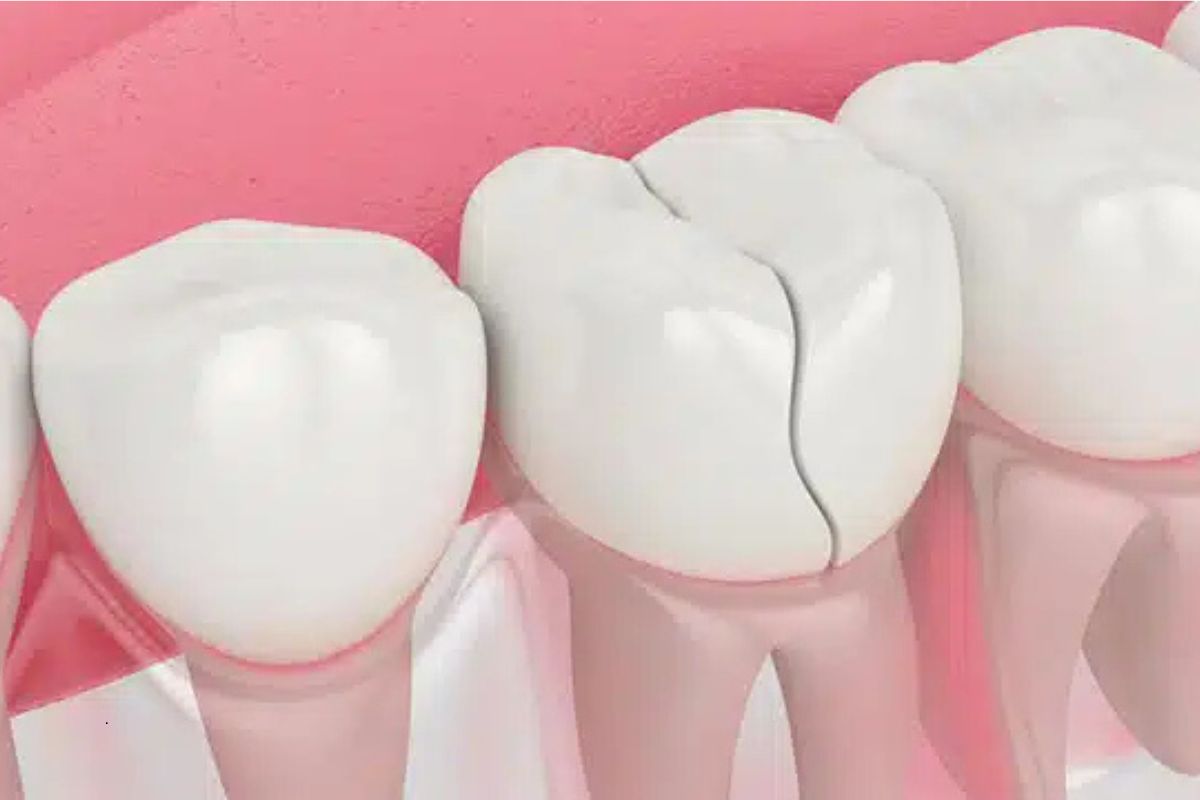
That’s exactly what makes a tiny crack in tooth structure so deceptive. The enamel on the surface might look completely normal, while underneath, the crack is slowly working its way toward the nerve.
The Most Common Cracked Tooth Warning Signs
If you’ve noticed any of the following, your tooth may already be trying to tell you something:
- Sharp pain when biting down, especially on release
- Sensitivity to cold air or cold drinks that fades quickly
- Discomfort that comes and goes without a clear pattern
- A rough edge or ridge your tongue keeps finding
- Mild swelling near one tooth that isn’t tied to a cavity
Not every episode of tooth pain points to a crack, but sudden pain while biting is one of the symptoms that should never be ignored. If you’re unsure what’s causing your discomfort, our guide, “Why Tooth Pain Strikes at the Worst Time: Causes, Relief & Dallas Dentist Advice,” explains the most common reasons tooth pain appears unexpectedly and when it’s time to see a dentist.
| Did You Know? Fractured tooth symptoms often only show up under very specific conditions — like biting down on the exact spot where the crack sits. That’s why many patients pass a routine visual exam without the crack being caught until it’s imaged closely. |
Why Ignoring Tooth Crack Pain Almost Always Backfires
A crack doesn’t heal the way a cut on your skin does. Tooth structure can’t regenerate, so once a crack forms, the only direction it moves is deeper usually a little further every time you chew, grind, or clench.
What starts as an occasional twinge can progress toward the inner pulp of the tooth, where the nerve and blood supply live. Once a crack reaches that layer, the tooth typically needs far more involved treatment than it would have needed at the first sign of trouble.
What Happens If a Cracked Tooth Goes Untreated
- The crack lengthens with normal biting and chewing pressure
- Bacteria can reach the inner pulp, leading to infection
- Pain becomes more constant and less predictable
- The tooth becomes more likely to fracture further or split
- Treatment options narrow, and the tooth may become harder to save
None of this happens overnight, but it also doesn’t reverse itself. That’s the core difference between tooth crack pain and, say, a canker sore — one resolves on its own, and the other simply waits.
⭐⭐⭐⭐⭐ Venus Cheng
Great experience everytime. Staff were all very friendly and walked us through each step. Teeth are clean!!
Cracked Tooth vs. Other Common Tooth Pain — Quick Comparison
| Condition | Typical Symptom Pattern | Urgency Level |
| Craze line (surface line) | Cosmetic only, no pain | Low — monitor at checkups |
| Fractured cusp | Sharp pain on biting, may feel a rough edge | Moderate — schedule an evaluation soon |
| Cracked tooth (cracked all the way through) | Pain on release of bite, cold sensitivity | High — needs prompt evaluation |
| Split tooth | Visible separation, constant discomfort | Urgent — treatment options are limited |
| Vertical root fracture | Dull ache, occasional swelling near gumline | High — often diagnosed with imaging |
How a Tiny Crack Gets Diagnosed and Treated the Right Way
The tricky part about diagnosing cracked tooth symptoms is that the crack line frequently doesn’t show up on a standard visual check. A thorough evaluation typically involves biting on a small tool to isolate which tooth is reacting, checking for cold sensitivity tooth by tooth, and using detailed digital imaging to see what the naked eye can’t.
Once the crack is located and its depth is understood, treatment is matched to how far it’s traveled:
- Shallow crack: a bonded restoration may be enough to stabilize the tooth
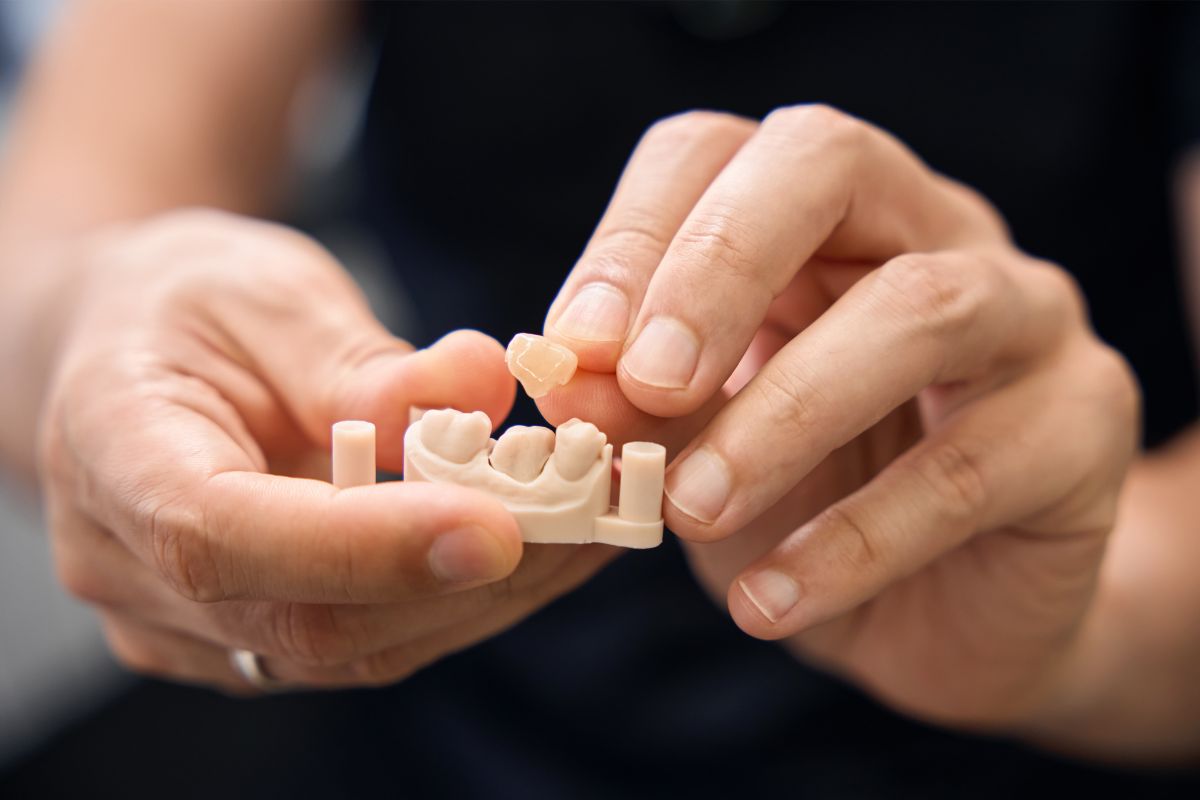
- Deeper crack: a custom dental crown protects the tooth from further splitting and restores normal bite alignment
- Crack reaching the nerve: root canal therapy plus a crown is usually recommended to save the tooth
- Crack below the gumline: the tooth is assessed closely to see whether it can realistically be restored
The earlier a crack is caught, the more conservative the treatment tends to be. That’s really the whole point of paying attention to tooth crack pain the first time it shows up, rather than the fifth.
If your dentist determines the crack has weakened the tooth but it can still be saved, a dental crown is often the most effective way to protect it from splitting further. Learn more about the warning signs that indicate a tooth may need a crown in our article, “Is Your Tooth About To Break? Warning Signs You May Need A Dental Crown.“
Trusted by Dallas Patients — Meet Your Dentist
Meet Dr. Kevin Do

At SK2 Dental – Ngo Stanley DDS, PA, Dr. Kevin Do is committed to helping patients preserve their natural teeth through early diagnosis and conservative, personalized care. He believes that even subtle symptoms—like a quick twinge when biting down—deserve careful evaluation before they develop into larger problems. By combining advanced diagnostic technology with a patient-first approach, Dr. Do helps identify cracked teeth early and recommends treatment based on the extent of the damage rather than a one-size-fits-all solution.
Schedule a consultation with Dr. Kevin Do at SK2 Dental to have your symptoms evaluated before a minor crack becomes a major dental problem.
⭐⭐⭐⭐⭐ Kimberly Nam
Everyone is great and Gina is great! Dr Kevin and everyone always does a great job!
Don’t Wait for a Small Crack to Become a Big Problem
Book a visit with SK2 Dental and get a clear answer on what’s causing your tooth pain — before it gets worse. Call us to schedule your visit now!
Frequently Asked Questions
1. What does a cracked tooth feel like?
Most people describe a sharp, brief pain when biting down, followed by a dull ache when releasing the bite. Cold air or cold drinks may also trigger a quick jolt of sensitivity that fades within seconds.
2. Can a small tooth crack heal on its own?
No. Tooth enamel and dentin cannot regenerate the way skin or bone can. A tiny crack in tooth structure will not close up on its own and typically worsens with continued biting pressure over time.
3. How do I know if my tooth crack needs a crown?
A crown is usually recommended once a crack has moved beyond a shallow surface line and risks spreading further with normal chewing. A close evaluation with digital imaging is the most reliable way to determine how deep the crack runs.
4. What causes cracked teeth in adults?
Common causes include chewing on hard foods or ice, nighttime teeth grinding, old fillings that weaken surrounding tooth structure, and general wear that builds up over years of normal biting force.
5. Is tooth crack pain worse with cold or hot?
Cold tends to trigger a sharper, quicker reaction, while hot sensitivity often signals the crack has progressed closer to the nerve. Either pattern is worth having evaluated.
6. Can grinding teeth at night cause tiny cracks?
Yes. Nighttime grinding, also called bruxism, places repeated pressure on tooth enamel far beyond normal chewing forces, making hairline cracks significantly more likely over time.
7. How long can I wait before treating a cracked tooth?
There’s no safe waiting period. Cracks tend to lengthen gradually with continued use, so symptoms that come and go are still a sign the tooth needs an evaluation rather than a reason to delay one.
8. What happens if a cracked tooth is left untreated?
Left alone, a crack can extend toward the nerve, allow bacteria to cause infection, and eventually put the tooth at risk of splitting—often narrowing the number of ways it can be saved.