
That “Small” Tooth Issue Might Not Be So Small
You wake up with a dull ache in your tooth. It fades after coffee, so you brush it off. A few days later, your gums bleed a little while brushing—but life’s busy, and it doesn’t feel urgent. Sound familiar?
Many people delay care because symptoms seem minor. But the truth is, some of the most serious dental problems start quietly. Knowing the signs you need a dentist visit can save you from pain, costly procedures, and long-term damage.
If you’re in Dallas and noticing subtle changes in your oral health, this guide will help you decide when it’s time to act—and why waiting can cost you more than you think.
The Hidden Problem: Why People Delay Dental Exams
Most patients don’t avoid care intentionally. They delay because:
- Pain comes and goes
- Symptoms feel “normal”
- Busy schedules take priority
- Fear or uncertainty about treatment
But oral health issues rarely fix themselves. They progress—often silently—until they become urgent.
Why Early Action Matters More Than You Think
A routine oral health exam isn’t just about clean teeth—it’s about catching problems early.
When you act quickly, you can:
- Prevent cavities from turning into root infections
- Stop gum inflammation before it becomes gum disease
- Avoid tooth loss and complex procedures
- Save time, money, and discomfort
In a fast-paced city like Dallas, where lifestyle and diet can impact oral health, early detection is your best defense.
7 Warning Signs You Shouldn’t Ignore
1. Persistent Tooth Pain or Sensitivity
If you’re experiencing discomfort while eating hot, cold, or sweet foods, it may indicate enamel damage or decay.
A lingering ache is one of the most common reasons for a tooth pain dentist visit—and often a sign of something deeper than surface sensitivity.
2. Bleeding or Swollen Gums
Healthy gums don’t bleed regularly. If you notice blood while brushing or flossing, it could signal early gum disease.
Left untreated, this can progress into periodontitis, leading to bone loss and tooth mobility.
3. Bad Breath That Won’t Go Away
Chronic bad breath isn’t just a social concern—it can point to bacteria buildup, gum infection, or decay.
If mouthwash only masks the problem, it’s time for a professional evaluation.
4. Cracked, Chipped, or Worn Teeth
Even minor damage can expose the inner layers of your teeth, increasing the risk of infection.
Whether it’s from biting hard foods or grinding at night, damaged teeth should never be ignored.
5. Sudden Sensitivity or Pain While Chewing
Pain when biting down often indicates:
- A cracked tooth
- A failing filling
- Early infection
This type of dental pain dentist scenario requires prompt attention before it escalates.
6. Loose Teeth or Gum Recession
If your teeth feel slightly loose or your gums appear to be pulling back, it may be a sign of advanced gum issues.
Early treatment can stabilize your oral health and prevent further damage.
7. It’s Been Over 6 Months Since Your Last Exam
Even without symptoms, skipping regular visits increases your risk of undetected problems.
A dental exam Dallas patients rely on isn’t just preventive—it’s essential for maintaining long-term health.
Still unsure whether it’s the right time to book your visit? Understanding the timing can make all the difference. Explore our guide on when to schedule a dental checkup and the signs you shouldn’t ignore to get more clarity.
The Risks of Waiting Too Long
Ignoring these signs can lead to:
- Severe infections requiring root canals
- Tooth loss and replacement procedures
- Gum disease progression
- Increased treatment costs
- Emergency dental situations
What starts as a small cavity today could become a major issue tomorrow.
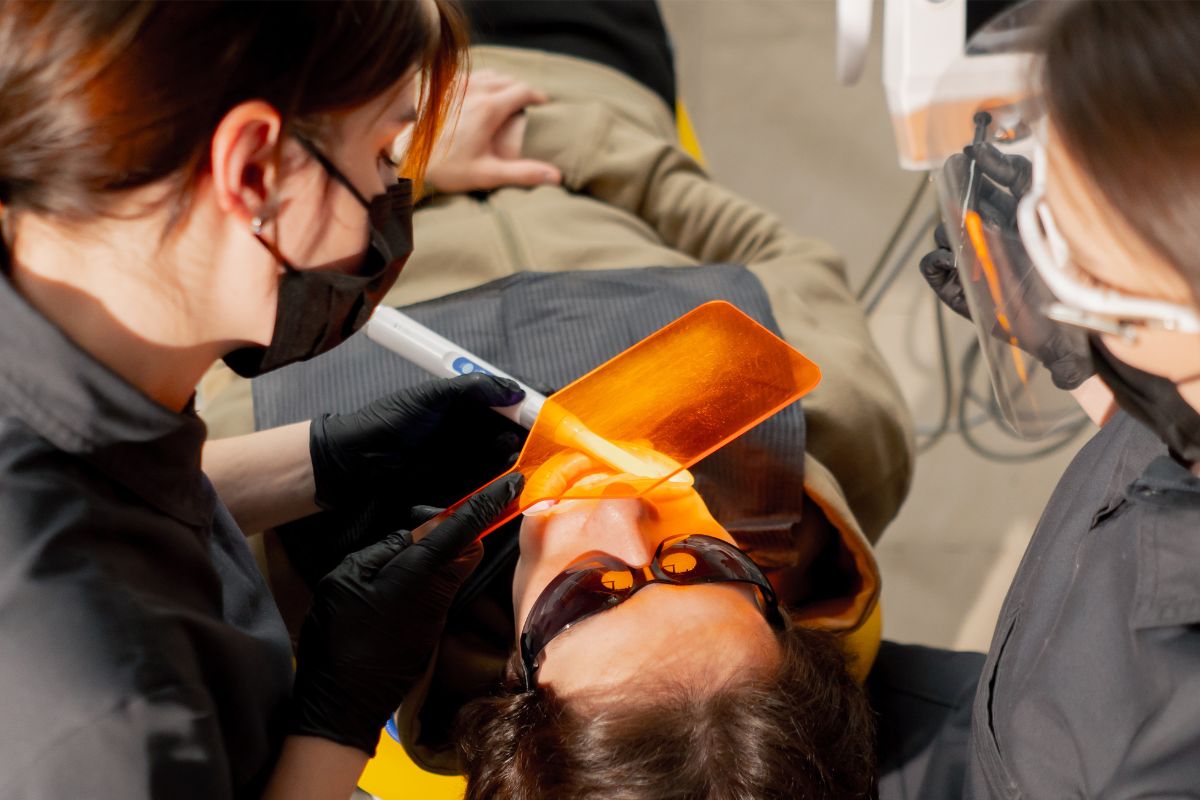
What Happens During a Professional Dental Exam?
If it’s been a while, you might wonder what to expect.
A comprehensive exam typically includes:
- Thorough inspection of teeth and gums
- Digital X-rays (if needed)
- Screening for decay, infection, and gum disease
- Evaluation of bite and jaw alignment
- Personalized recommendations
This is also a great time to discuss concerns like cosmetic improvements, teeth grinding, or sensitivity. If you’re feeling unsure about what to expect, don’t worry—you’re not alone. Our step-by-step guide walks you through the entire dental exam and cleaning experience so you can feel confident before your visit.
Your Local Dental Partner in Dallas
When it comes to your health, choosing a trusted provider matters.
At SK2 Dental – Ngo Stanley DDS, PA, patients across Dallas and nearby communities receive personalized, attentive care in a comfortable setting. Whether you’re dealing with symptoms or simply overdue for a checkup, having a reliable dentist in Dallas ensures peace of mind and long-term oral health.
From preventive exams to more advanced treatments, your care plan is tailored to your needs—not rushed or one-size-fits-all.
Have questions or concerns? Call us today to get expert guidance and take the first step toward better oral health.
Don’t Wait for Pain to Make the Decision for You
Here’s the reality: most dental problems don’t hurt until they’ve already progressed.
If you’ve noticed any of these symptoms—even mild ones—it’s time to take action.
Schedule Your Visit Today
Looking for a dentist near me in Dallas you can trust?
Take control of your oral health now. A simple exam today can prevent complex treatment tomorrow.
Call SK2 Dental – Ngo Stanley DDS, PA or book your appointment online to get the clarity and care you deserve.
FAQs: Signs You Need a Dental Exam
How do I know if my tooth pain is serious?
If the pain lasts more than 1–2 days, worsens, or affects eating, it’s best to schedule an exam. Persistent pain often signals underlying issues.
Can bleeding gums go away on their own?
Occasional irritation may improve, but consistent bleeding is usually a sign of gum disease that requires professional care.
Is bad breath always related to dental problems?
Not always, but chronic bad breath is often linked to bacteria, decay, or gum infection—making a dental exam important.
How often should I get a dental exam?
Most patients benefit from exams every six months, though your dentist may recommend a different schedule based on your needs.
What if I don’t have pain—do I still need a visit?
Yes. Many dental problems develop without pain. Regular exams help detect issues early.
Are small chips in teeth a big deal?
Even minor chips can lead to bigger problems if bacteria enter the tooth. It’s best to have them checked.
Final Thoughts: Listen to What Your Mouth Is Telling You
Your body sends signals for a reason. Ignoring them can lead to bigger problems—but acting early puts you in control.
If something feels off, trust your instincts and get it checked.
Book Your Dental Exam in Dallas Today
A healthier, pain-free smile starts with one simple step. Schedule your visit with SK2 Dental – Ngo Stanley DDS, PA and protect your smile before small issues turn into major concerns.