You take a bite of your sandwich and something feels… off. Not painful exactly just different. Your teeth meet a little unevenly, or your jaw feels tired by the time you finish dinner. You check the mirror and nothing looks wrong. So why does your bite suddenly feel different?
If that sounds familiar, you are not imagining it. A Dallas dentist hears this exact concern often, and it is rarely something to brush off. A change in how your teeth come together—even a small one—usually has a cause, and catching it early makes it far easier to fix.
When Your Bite Feels Different, But Nothing Looks Wrong
Bite changes are sneaky. You will not always see a crack, a gap, or anything unusual when you look in the mirror. That is because the shift is often happening at a level you cannot see the surface of a tooth, the fit of an old filling, or the position of your jaw joint.
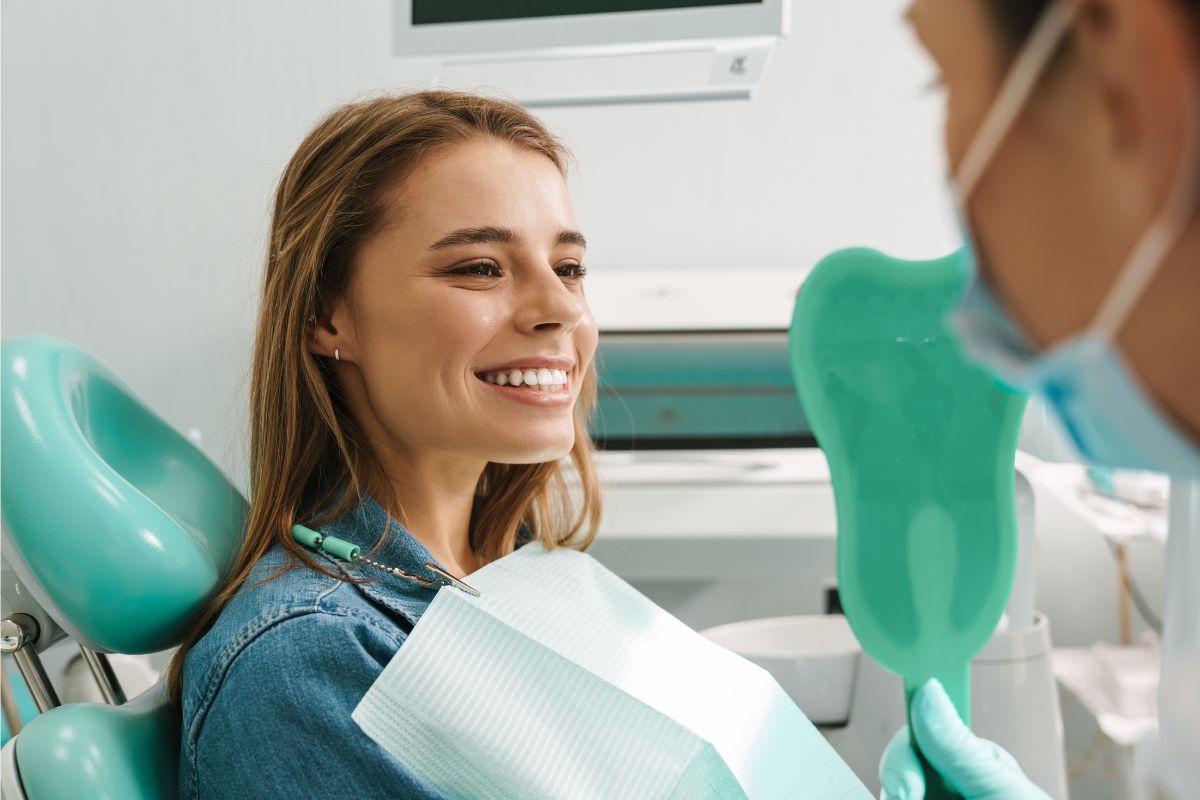
Not every dental change is obvious in the mirror. Small changes in your smile can develop gradually, making them easy to overlook until they begin affecting your bite, comfort, or oral health.
Common Reasons a Bite Feels Uneven
- A filling, crown, or bridge that has worn down or shifted slightly
- Nighttime teeth grinding or daytime clenching (bruxism)
- Teeth gradually drifting after tooth loss or gum changes
- Enamel wear from years of chewing and acid exposure
- Swelling or gum recession that changes how teeth meet
Why an Uneven Bite Deserves Attention
A bite out of balance does not stay quiet for long. When even one or two teeth touch before the rest, your jaw muscles compensate constantly, which can strain the muscles and the jaw joint itself. This is where mild bite changes often turn into ongoing tension, clicking, or soreness.
| Did You Know? The muscles that close your jaw can generate significant force with every bite. When that force lands unevenly across just one or two teeth instead of spreading naturally, the strain adds up fast, often long before any pain appears. |
What Can Happen If a Changing Bite Is Ignored
- Faster enamel wear on the teeth taking on extra pressure
- Loosened or cracked crowns, fillings, and bridges
- Jaw joint (TMJ) soreness, clicking, or stiffness
- Tension headaches or neck discomfort
- Gum recession around the teeth carrying uneven force
How a Dentist Diagnoses and Corrects Bite Changes
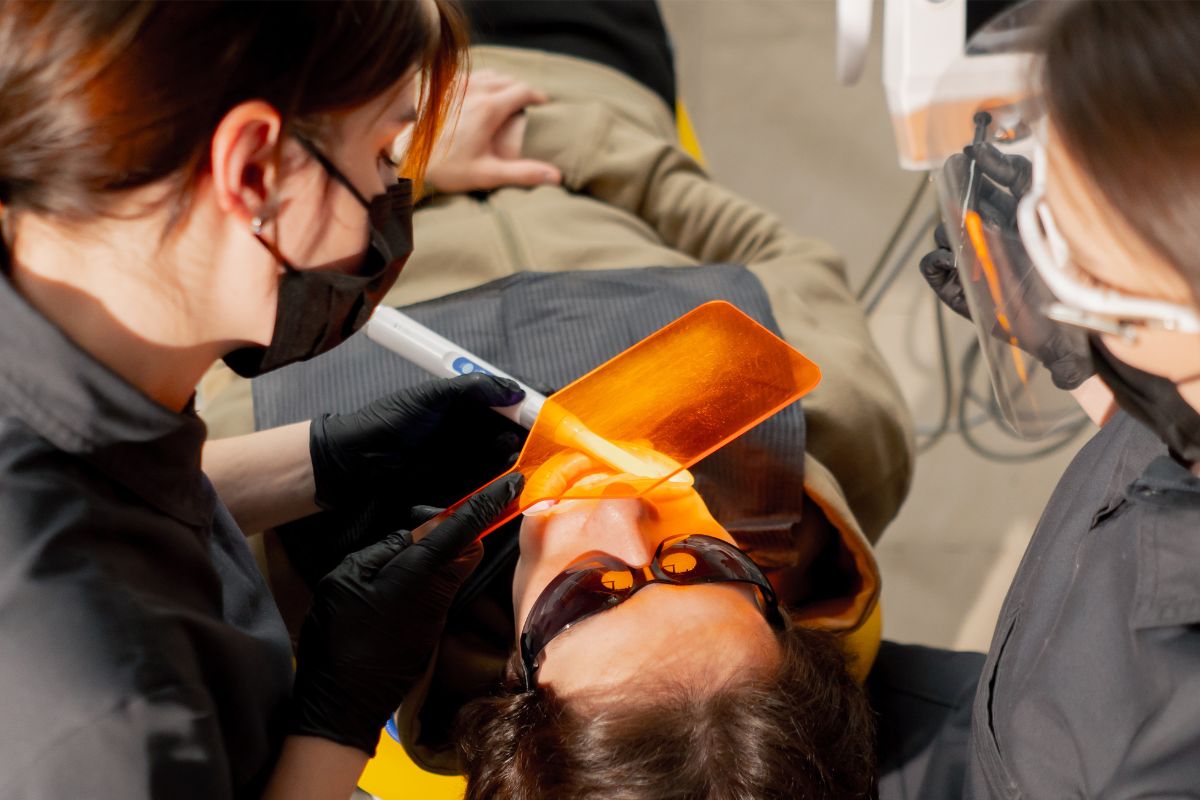
A proper bite evaluation goes beyond checking for cavities. Your dentist looks at how your teeth meet in different positions, checks for wear patterns, and reviews your jaw movement and joint comfort.
A proper dental evaluation can also reveal problems that are not obvious during a mirror check. Dentists look for subtle signs of tooth wear, cracks, gum changes, restoration problems, and other issues that may exist beneath an otherwise healthy-looking smile. Learn more about hidden dental problems dentists look for and why routine evaluations matter.
What Bite Correction May Involve
- Digital bite mapping to pinpoint exactly where pressure lands unevenly
- Minor reshaping or polishing of a high spot on a tooth or restoration
- A custom night guard to protect teeth from grinding
- Restorative work to rebuild a worn or shifted tooth surface
- Orthodontic guidance for bites that have shifted more significantly
- Bottom line: small, targeted adjustments now usually cost far less time and discomfort than waiting until the bite problem affects more teeth.
Bite Care Dallas Patients Rely On
SK2 Dental has served patients throughout Dallas, North Dallas, Richardson, Garland, Plano, and Fort Worth since 2004. Bite concerns are one of the most common reasons patients come in for an evaluation, often after noticing the exact kind of subtle change described above.
Meet Your Dentist

Dr. Stanley Ngo, DDS “I want patients to feel comfortable bringing up something that feels ‘off,’ even if they can’t quite describe it. A bite evaluation is usually quick, and it gives both of us a clear picture of what’s actually going on.” — Dr. Stanley Ngo has led SK2 Dental since 2004, with a practice built around thorough, patient-centered evaluations. Call us to schedule a consultation!
Normal Bite Sensations vs. Signs of a Real Bite Change
Use this quick comparison to decide whether what you’re feeling is likely temporary or worth a professional look:
| Normal Bite Sensation | Possible Sign of a Bite Change |
|---|---|
| Teeth feel slightly different after a new filling for a day or two | Teeth feel off for more than a week with no recent dental work |
| Mild jaw tiredness after a large meal | Ongoing jaw soreness, clicking, or tension headaches |
| Occasional tooth sensitivity to cold | One or two teeth touch first when you bite down |
| Temporary looseness after orthodontic tightening | Teeth feel like they are shifting position on their own |
Signs You Should Schedule a Bite Evaluation
- One tooth touches first: you notice a single tooth or spot making contact before the rest of your teeth close together.
- Jaw fatigue by evening: your jaw feels tired, tight, or sore by the end of most days.
- New clicking or popping: you hear or feel a click when opening or closing your mouth.
- Morning headaches: you wake up with tension around your temples or jawline.
- Recent dental work feels different: a bite change appeared shortly after a filling, crown, or extraction.
Get Your Bite Checked Before It Gets More Complicated
A bite that feels different is your mouth telling you something has changed. The sooner it’s evaluated, the simpler the fix tends to be and the more of your natural tooth structure stays protected.
| Ready to Feel Comfortable Again? SK2 Dental welcomes patients from Dallas, Richardson, Garland, Plano, and Fort Worth for bite evaluations and same-day answers. Scheduled a consultation now! |
Frequently Asked Questions
1. What causes a bite to suddenly feel different?
A bite can feel different because of a worn or cracked filling, a loosened crown, nighttime teeth grinding, gum or bone changes, or teeth gradually shifting. Even small changes in one tooth can change how your whole bite feels.
2. Can stress cause my bite to feel off?
Yes. Stress often leads to clenching or grinding, especially during sleep. Over time, this can wear down tooth surfaces unevenly and make your bite feel uneven or tired, even without visible damage.
3. Is it normal for your bite to change as you get older?
Some gradual changes are common as enamel wears and teeth shift slightly over time. However, a sudden or noticeable change is worth having checked rather than assuming it is simply a normal part of aging.
4. How do I know if I need a bite adjustment?
Signs include one tooth touching before the others, jaw soreness, clicking sounds, headaches, or feeling like you have to search for a comfortable way to close your mouth. A dentist can confirm whether a bite adjustment is appropriate with a thorough evaluation.
5. Can an uneven bite fix itself?
An uneven bite does not usually correct itself. If the problem continues, it may place uneven pressure on certain teeth, restorations, or jaw muscles, making the issue more noticeable over time.
6. What is the difference between a bad bite and TMJ disorder?
A bad bite refers to how your upper and lower teeth come together. TMJ disorder involves the jaw joints and surrounding muscles. The two can be related, but an uneven bite does not necessarily mean you have a TMJ disorder.
7. How long does correcting a bite change take?
It depends on the cause. A small adjustment to a filling or crown may take one visit. Problems involving grinding, shifting teeth, or ongoing jaw strain may require a night guard, restorative treatment, orthodontic care, or follow-up appointments.
8. Should I see a dentist if my bite feels different but nothing hurts?
Yes. A bite can change before noticeable pain develops. Having it evaluated early can help identify the cause and may prevent unnecessary wear on your natural teeth or dental restorations.