If You’ve Been Putting Off Implants Because Surgery Sounds Scary – Read This First!
You do your research. You’ve looked at before-and-after photos, read a few blogs, maybe even watched a YouTube video of an implant procedure. And maybe that’s exactly what scared you off.
Most people don’t realize that dental implant surgery has changed dramatically in the last few years. The version they’re picturing freehand drilling, long recovery, visible guesswork is increasingly being replaced by something that looks more like a NASA mission plan than a dental appointment.
Robot-assisted dental implants are gaining serious traction in Dallas and across the country. Patients who once delayed the procedure for years are booking consultations. And dentists who offer this technology are seeing fewer complications, faster healing, and patients who actually show up for surgery instead of canceling out of fear.
So what’s actually driving this shift? And is robotic implant surgery right for you?
The Real Reason People Delay Dental Implants
Fear of the Unknown
The number-one reason patients postpone implants isn’t cost or time. It’s fear. Specifically, the fear that something will go wrong a nerve hit, the implant placed at the wrong angle, prolonged swelling, or a failed implant that needs to be removed.
Those fears aren’t irrational. Traditional freehand implant placement relies entirely on the surgeon’s skill, 2D X-rays, and experience. Even great clinicians acknowledge a margin of error. For patients already anxious about dental work, that uncertainty is enough to walk away.
Many patients focus on the implant procedure itself and overlook what happens when a missing tooth remains untreated. Bone loss, shifting teeth, bite changes, and additional dental problems can develop gradually without obvious symptoms. Learn about the warning signs in our article, “7 Warning Signs Your Missing Tooth Problem May Be Getting Worse Faster Than You Think.“
What Traditional Implant Surgery Actually Involves
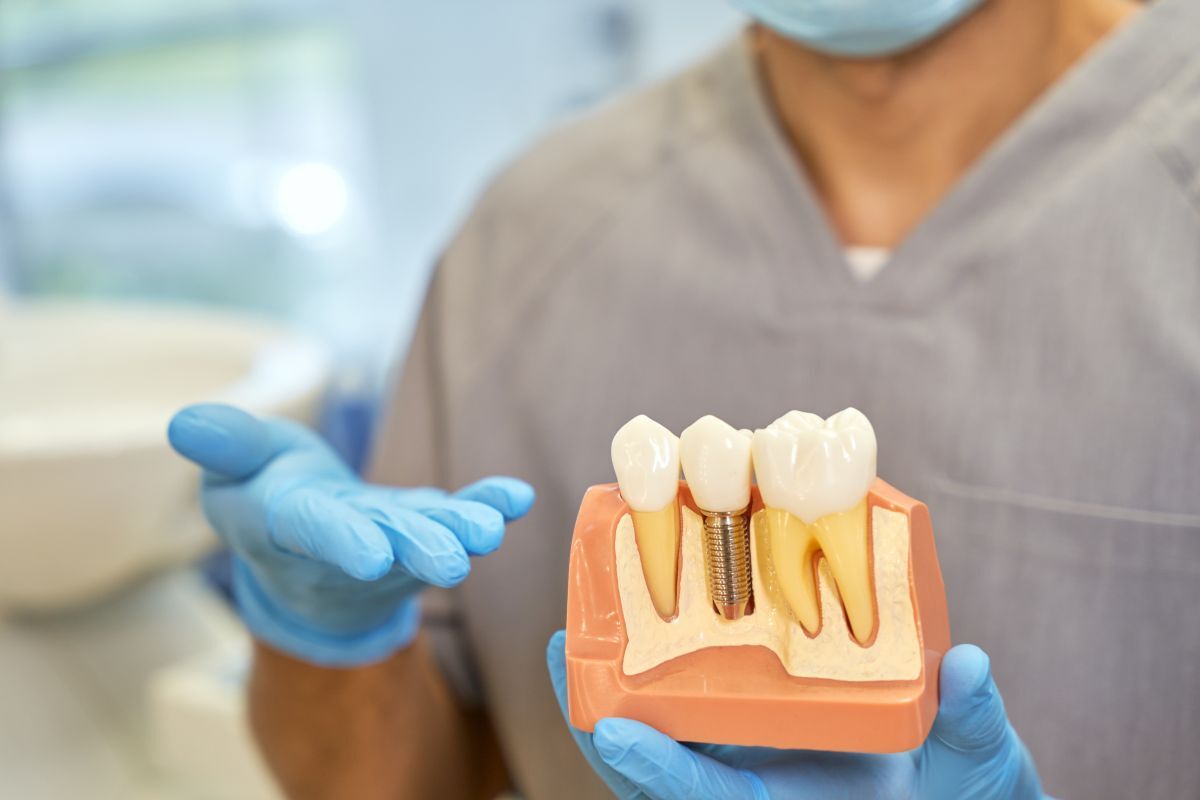
In a conventional procedure, your dentist takes impressions, reviews X-rays, and plans the implant placement mentally or on a standard 2D image. The actual surgery involves cutting into the gum tissue, drilling into the jawbone, and placing the titanium post often using feel and visual judgment to get the angle right.
The results can be excellent. But variability exists. And that variability even when minimal is what keeps patients anxious.
What Robot-Assisted Dental Implants Actually Do Differently
It Starts Before the Surgery Even Begins
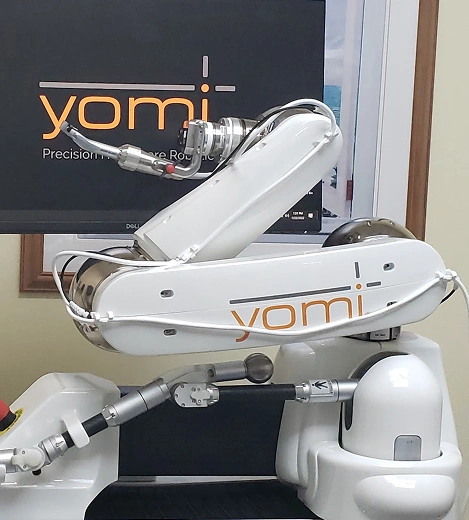
Robot-assisted implant systems like the Yomi robotic guidance platform used by many advanced dental practices begin with a 3D CT scan of your jaw. This scan creates a precise digital map of your bone density, nerve locations, sinus position, and existing teeth.
From that scan, your dentist builds a virtual surgical plan. Every angle, every depth, every millimeter of placement is decided before you’re ever in the chair. The robot doesn’t improvise. It executes the plan.
Real-Time Guidance During Surgery
During the procedure, the robotic arm provides haptic feedback meaning it physically resists movement if the drill is about to go off the planned path. Think of it like GPS guardrails for your jaw. Your dentist is still the one performing the surgery; the technology just ensures the execution matches the plan.
This level of precision reduces the chance of hitting nerves, encroaching on the sinus cavity, or placing the implant at an angle that compromises the crown above it.
Did You Know?
Robot-assisted implant systems like Yomi have been FDA-cleared for dental implant surgery. Studies show placement accuracy can reach sub-millimeter levels a significant improvement over freehand placement. For patients near critical anatomy (nerves, sinuses), this precision can be the difference between a smooth recovery and a serious complication.
What Can Go Wrong With Traditional Placement And How Robotic Guidance Reduces Those Risks
The Risks That Keep Patients Up at Night
Traditional implant surgery isn’t dangerous when performed by an experienced dentist. But certain risks are inherent to any freehand surgical procedure:
- Inferior alveolar nerve damage: Can cause numbness or tingling in the lip and chin sometimes permanent.
- Sinus perforation: In upper jaw implants, the drill can breach the sinus floor if depth is misjudged.
- Off-axis placement: An implant placed at the wrong angle may not properly support the crown, leading to bite problems or long-term implant failure.
- Excessive bone and tissue trauma: Larger incisions mean more post-surgical swelling, pain, and longer healing.
- Implant failure requiring removal: Less common but costly both financially and emotionally.
How Robotic Guidance Addresses Each Risk
The 3D planning phase maps nerve canals and sinus anatomy before drilling begins. The robotic arm maintains the pre-planned trajectory. Smaller, more targeted incisions reduce tissue trauma. The result is a procedure that’s more predictable at every step—not just in theory, but in documented clinical outcomes. Have questions about the procedure? Call SK2 Dental to speak with our team and learn how robotic guidance may help make your implant treatment more precise, comfortable, and predictable.
Robot-Assisted vs. Traditional Implants: At a Glance
| Feature | Traditional Implant Surgery | Robot-Assisted Implants |
| Implant Placement | Freehand by surgeon | Guided by robotic arm with digital precision |
| Pre-Surgical Planning | 2D X-ray + manual planning | 3D CT scan + virtual simulation |
| Incision Size | Larger; often requires flap | Smaller, flapless in many cases |
| Margin of Error | 1–2mm variability | Sub-millimeter accuracy |
| Healing Time | Longer (tissue disruption) | Often faster with less trauma |
| Risk of Nerve/Sinus Damage | Moderate (anatomy-dependent) | Significantly reduced with real-time imaging |
| Same-Day Teeth Possibility | Limited cases | More frequently possible |
| Patient Anxiety | Higher (uncertainty) | Lower (mapped and explained beforehand) |
What the Procedure Actually Looks Like at an Advanced Dental Practice
Step 1: Comprehensive Evaluation
The process begins with a detailed examination a 3D CBCT scan, review of your oral health history, and a conversation about your goals. Your dentist evaluates bone volume, gum health, bite alignment, and any conditions like gum disease or tooth decay that should be addressed first.
Step 2: Virtual Surgical Simulation
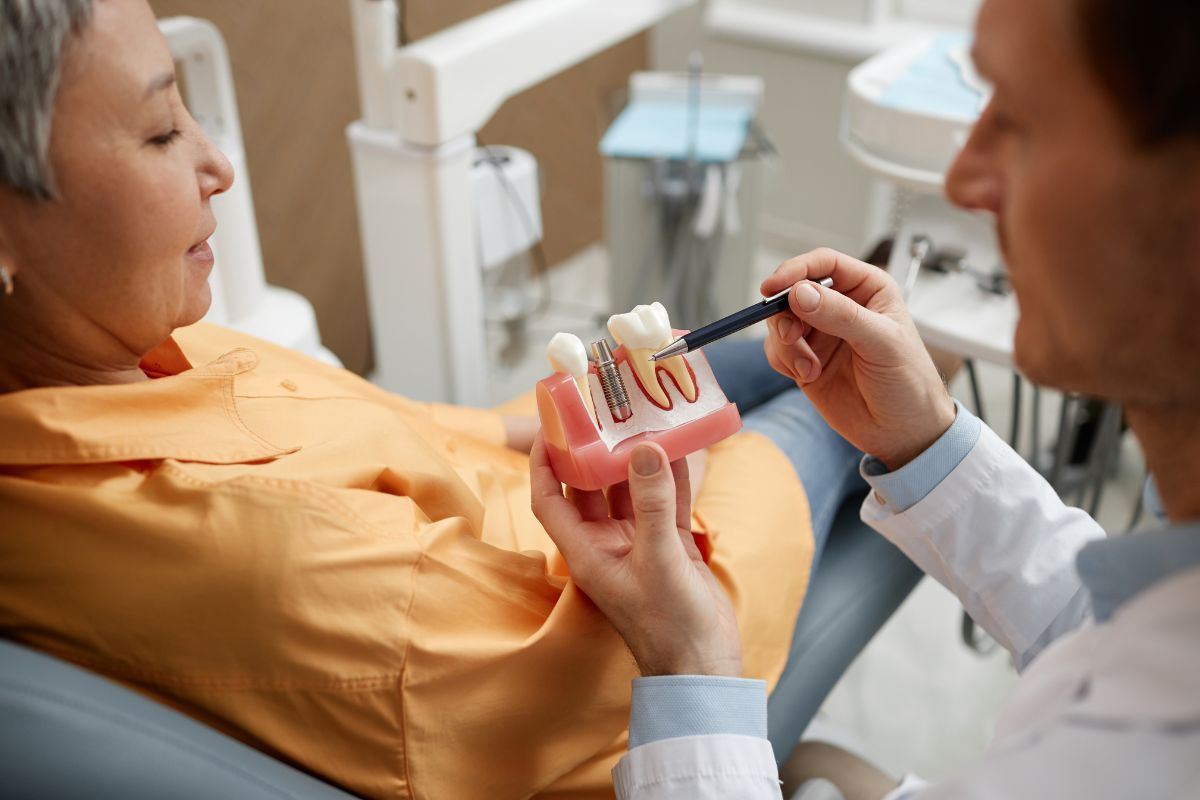
Using the scan data, your care team builds a digital treatment plan. You may even be able to see a simulation of where the implant will sit, how it relates to adjacent teeth, and what the final restoration will look like. It’s the kind of transparency that traditional planning simply can’t offer.
Step 3: Guided Surgery
On surgery day, the robotic system translates that digital plan into physical reality. The arm provides real-time feedback, ensuring every movement matches the simulation. Most patients report the procedure feels much calmer than they expected because there’s no guessing, no last-minute adjustments, no surprises.
One of the most common questions patients ask is whether implant surgery will be painful. Understanding what happens during the procedure and recovery can help reduce anxiety and make the experience feel far more manageable. Read our guide, “Are Dental Implants Painful? What to Expect Before & After Surgery,” for a detailed breakdown of what to expect before, during, and after treatment.
Step 4: Healing and Restoration
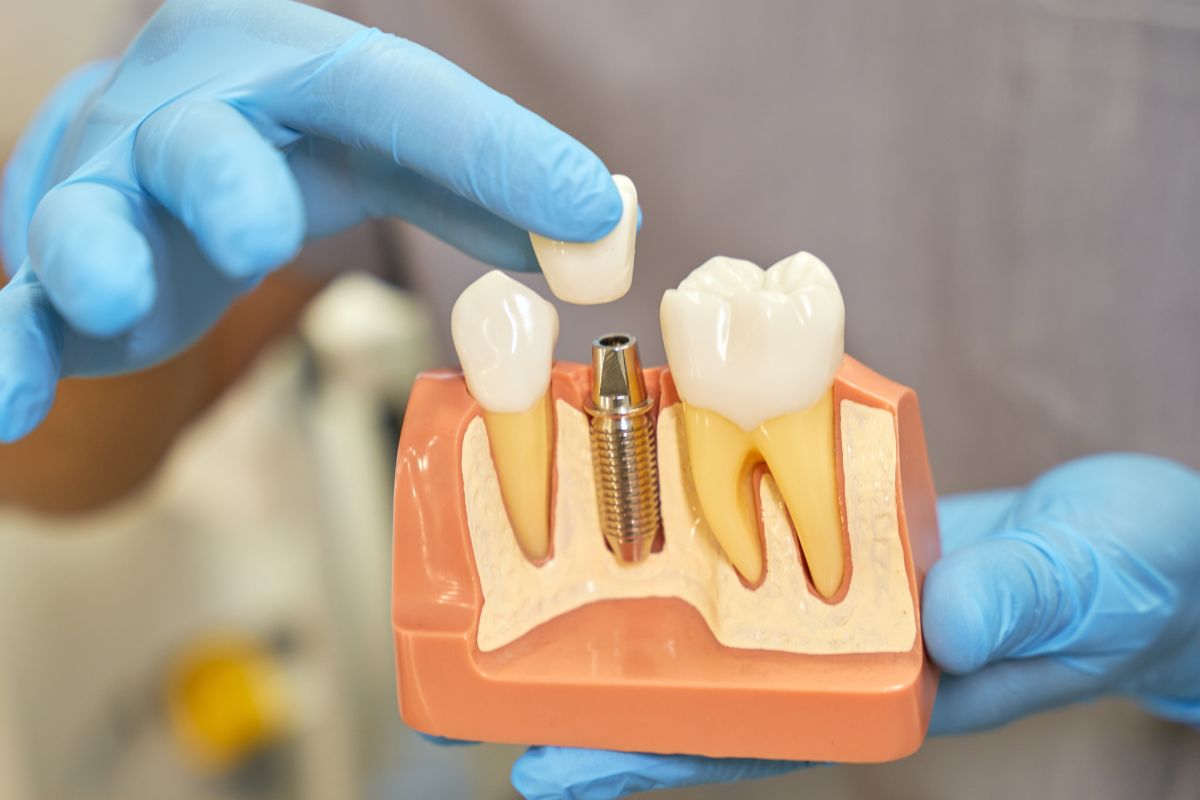
Because robotic placement tends to involve less tissue disruption, recovery is often more manageable. Once healing is complete typically over several weeks a custom crown, bridge, or full-arch restoration is placed over the implant post. The result is a tooth that looks, functions, and feels like a natural part of your smile.
Maintaining the restoration follows the same rules as caring for your natural teeth: brushing twice daily, flossing, and regular dental checkups to monitor your oral health and catch any early signs of gum disease or bone changes.
What Dallas Patients Are Saying About Robotic Implant Surgery
★★★★★ M K — Dallas, TX
I love coming here! Been here 12 years! Doctors are amazing! I got my implant with Dr Daniel and he was amazing and painless! Very great people here and they are very good at cleaning teeth! Come here!
The Team Behind Advanced Implant Care at SK2 Dental
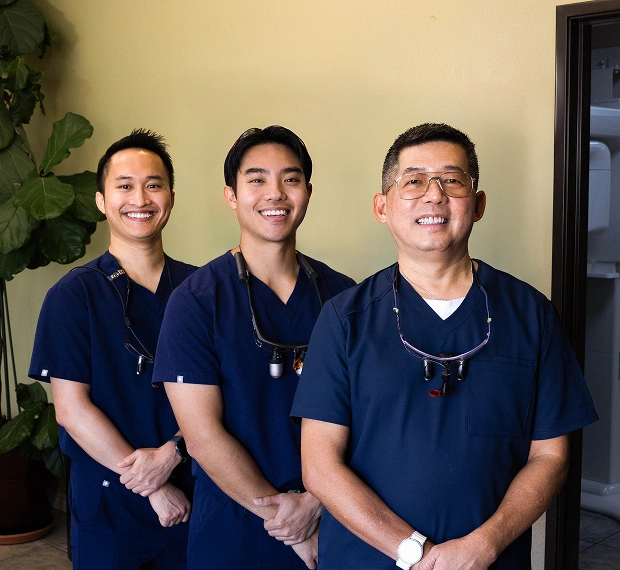
At SK2 Dental – Ngo Stanley DDS, PA, implant treatment is supported by a team of experienced clinicians committed to precision, comfort, and long-term results. Dr. Stanley Ngo, Dr. Daniel Vo, and Dr. Kevin Do work closely with patients throughout the treatment process, combining advanced technology, detailed treatment planning, and a patient-first approach to help restore healthy, confident smiles. Their focus on clear communication and personalized care helps patients feel informed and comfortable every step of the way.
What Dallas Patients Are Saying About Their Implant Experience
★★★★★ Kathy Nguyen | Google Review
Wonderful! Dr ngo is the best and I love him! Best doctor! Got my implant crown today! Very good service! I love coming here! Vicky is so nice!
Experiences like this reflect what many patients discover after learning more about modern implant dentistry. With advanced planning technology, precise implant placement, and a team focused on patient comfort, treatment often feels much easier than people expect. Read More Google Reviews here!
Thinking About Dental Implants in Dallas?
Find out if robot-assisted implant placement is right for your situation. SK2 Dental offers comprehensive implant consultations with 3D imaging so you can see exactly what’s planned before anything happens. Schedule Your Consultation at SK2 Dental.
Key Benefits Patients Notice Most with Robotic Implant Placement
- Greater confidence going in: Seeing the 3D plan removes uncertainty and helps patients mentally prepare.
- Less post-surgical pain: Smaller, more precise incisions reduce trauma to surrounding tissue.
- Faster return to normal: Many patients resume work and daily activities within 24–48 hours.
- Lower risk of major complications: Pre-planned nerve and sinus avoidance significantly reduces serious risks.
- Better long-term stability: Precisely angled implants distribute bite force more evenly, improving longevity.
- Clearer communication with your dentist: The digital plan becomes a conversation tool, not just a surgical document.
Frequently Asked Questions About Robot-Assisted Dental Implants
What is robot-assisted dental implant surgery?
Robot-assisted dental implant surgery uses a robotic guidance system such as the FDA-cleared Yomi platform to precisely execute a pre-planned digital surgical map during implant placement. The dentist controls the procedure while the robotic arm provides real-time haptic feedback to ensure exact angle, depth, and positioning of the implant post.
Is robot-assisted implant surgery safe?
Yes. Robotic implant systems used in dental practices are FDA-cleared for guided implant placement. By pre-mapping nerve canals, sinus anatomy, and bone structure, these systems reduce the risk of complications compared to freehand placement. Your dentist remains in full control throughout the procedure.
How much more does robot-assisted implant surgery cost?
Costs vary by practice and case complexity. Robot-assisted placement may carry a modest premium over traditional surgery, but many patients find the value in reduced complication risk, faster recovery, and greater predictability to be well worth it. SK2 Dental offers consultations to review cost and financing options.
How long does recovery take after robotic implant surgery?
Because robotic placement often involves smaller, more targeted incisions, recovery can be faster than traditional surgery. Many patients return to normal activities within 1–2 days, though complete osseointegration the process of the implant fusing to the jawbone takes several months before the final crown is placed.
Can I get same-day teeth with robot-assisted implants?
In some cases, yes. If bone density and implant stability allow, a temporary restoration may be placed on the same day as surgery. Your dentist will evaluate whether same-day teeth are clinically appropriate for your situation during the 3D planning phase.
Does robot-assisted implant surgery hurt more or less than traditional?
Most patients report that robotic implant surgery is more comfortable than expected. The smaller incision approach reduces tissue trauma, which typically means less post-surgical swelling and discomfort. Local anesthesia or sedation is used during the procedure itself.
Where can I get robot-assisted dental implants in Dallas?
SK2 Dental – Ngo Stanley DDS, PA offers advanced implant consultations in Dallas. The practice incorporates modern 3D imaging and precision-guided techniques to plan and perform implant surgery. Visit sk2dental.com or call to schedule a consultation.
Who is a good candidate for robotic dental implants?
Most adults with one or more missing teeth and adequate jawbone density are candidates. Patients with compromised bone volume may need a bone graft first. Conditions like uncontrolled gum disease or tooth decay should be resolved before implant placement. A comprehensive evaluation with 3D imaging is the best way to determine candidacy.