You did your research. You picked a dentist, sat through the consultation, and finally scheduled the day you’d get your smile back. Then something felt off, the implant loosened, the gum around it looked irritated, or the bite never quite settled right. Now you’re staring down a redo, a repair bill, and the sinking feeling that maybe you missed a warning sign nobody told you about.
Most dental implant problems don’t come from bad luck. They come from mistakes some made by patients, some made by providers, long before the implant is ever placed. If you’re weighing dental implants in Dallas, understanding these implant mistakes now can save you months of frustration, thousands of dollars, and a second surgery you never wanted.
Why Dental Implants Go Wrong More Often Than You’d Think
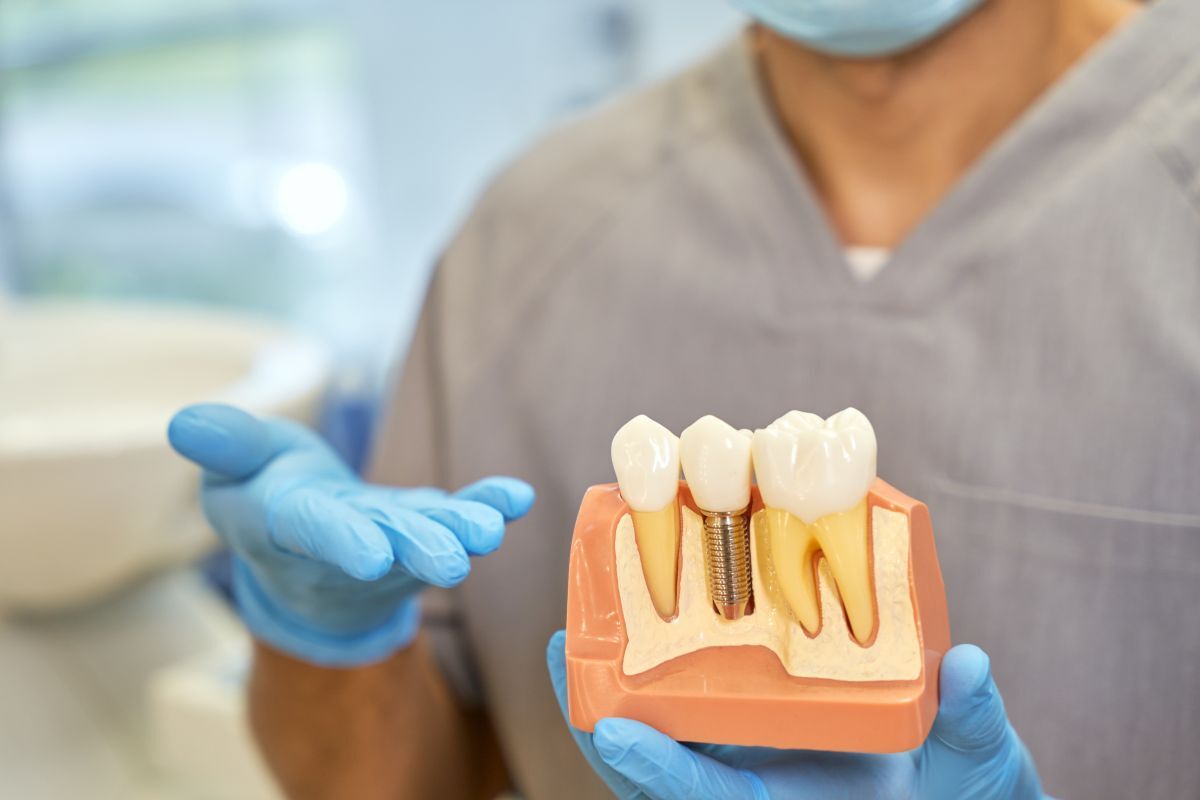
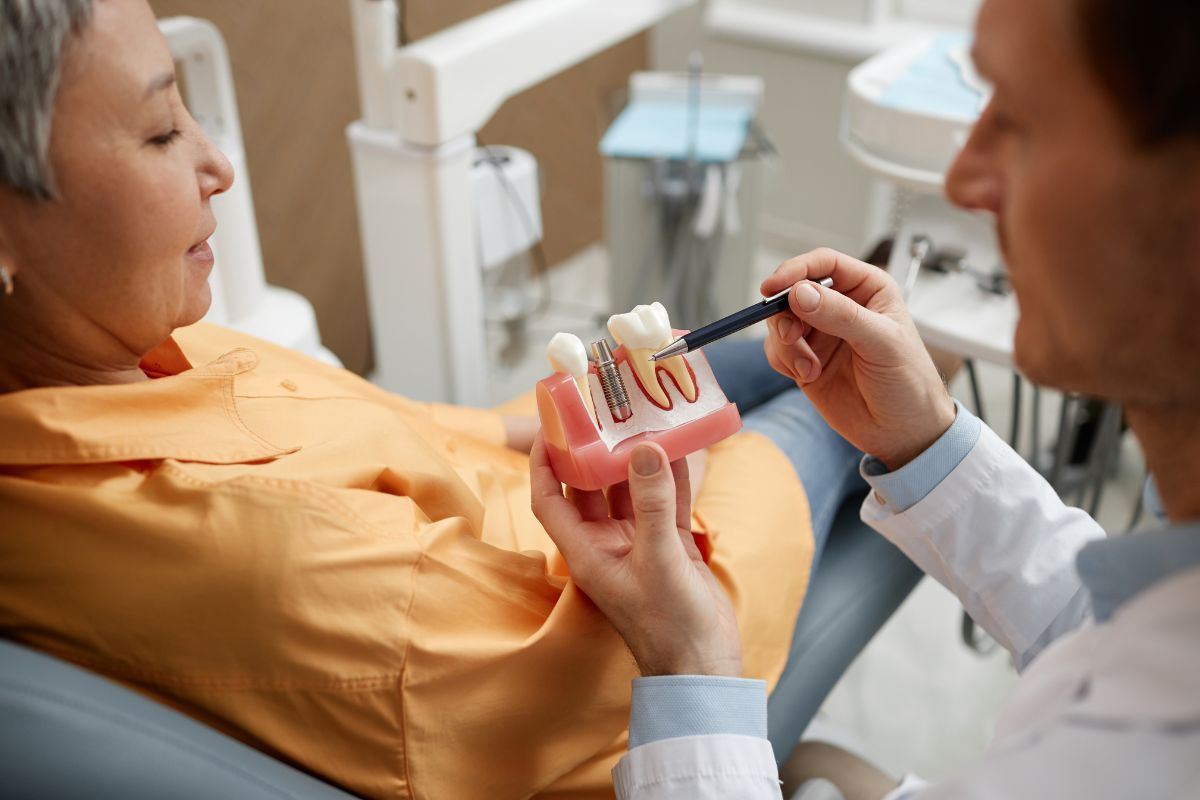
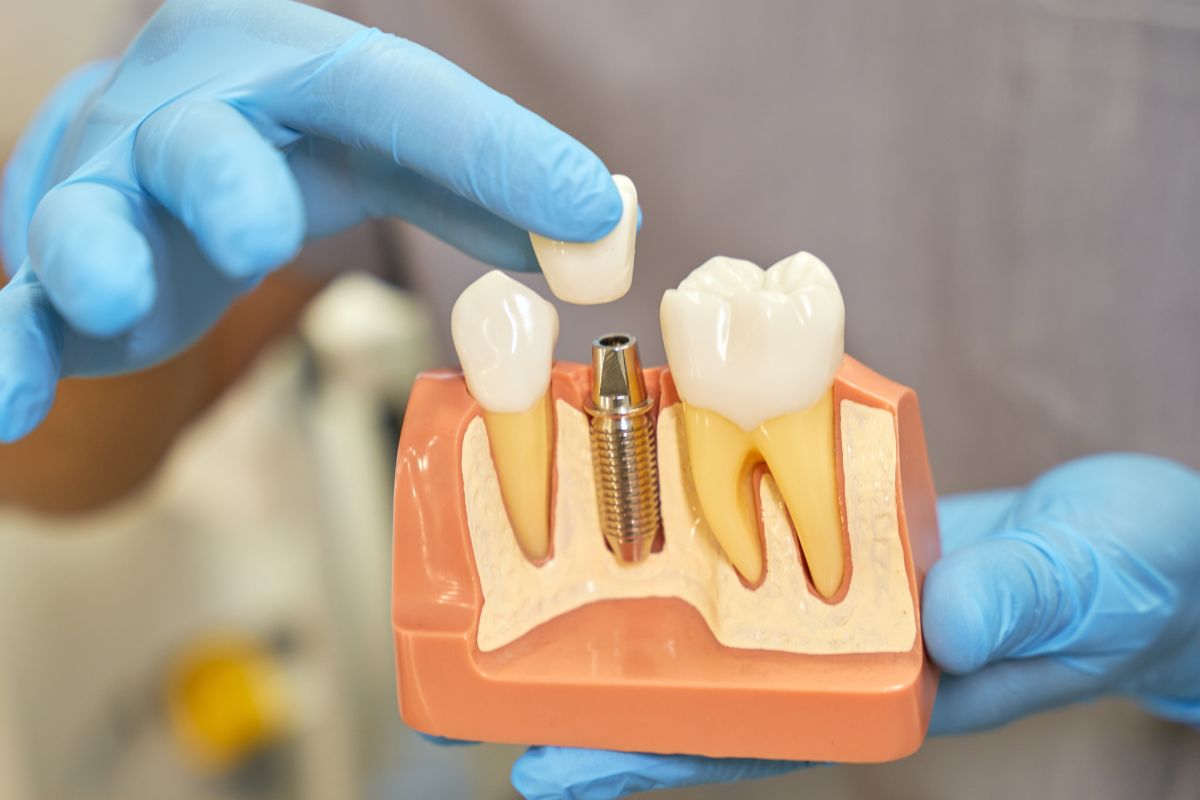
Dental implants have one of the highest success rates in restorative dentistry when they’re planned correctly. But “correctly” is doing a lot of work in that sentence. An implant isn’t just a screw and a crown, it’s a small surgical procedure that depends on bone density, gum health, bite alignment, and precise placement all lining up.
When any one of those pieces gets skipped or rushed, the implant is working against your body instead of with it. That’s when patients start seeing loosening, inflammation, or a crown that never quite feels natural.
Why It Matters
A failed implant rarely means a quick fix. In most cases, the implant has to be removed, the site has to heal sometimes for months and the entire process starts over, often with a bone graft added in. That’s real time off work, real money on top of what you already paid, and real anxiety about going through oral surgery twice instead of once.
Catching these mistakes before treatment starts is far easier than correcting them afterward.
The Biggest Dental Implant Mistakes Patients Make
1. Choosing a Provider Based on Price Alone
A rock-bottom quote can be tempting, especially for a procedure that isn’t always covered by insurance. But implant pricing differences usually come down to what’s included, 3D imaging, the implant brand, follow-up visits, and the provider’s experience level. A price that looks too good often means one of those pieces is missing.
2. Skipping 3D Imaging and Digital Planning
Some providers still plan implant placement from a flat, two-dimensional X-ray. That image can’t show how deep your sinus cavity sits, where a nerve runs, or exactly how much bone width you have at the implant site. A 3D cone-beam scan or digital scanner maps all of that before a single incision is made.
3. Ignoring Bone Density and Jawbone Health
Missing teeth even one cause the jawbone underneath to shrink over time, since it’s no longer being stimulated by chewing. If bone loss isn’t measured and addressed before placement, the implant may not have enough support to stay stable long term.
Many patients wait until chewing becomes difficult or neighboring teeth begin shifting before seeking treatment. Recognizing the early warning signs can help prevent more extensive procedures later. Read “7 Warning Signs Your Missing Tooth Problem May Be Getting Worse Faster Than You Think” to learn when it’s time to act.
4. Not Treating Gum Disease First
Placing an implant into gum tissue that’s actively infected is one of the fastest ways to see it fail. Periodontal disease has to be brought under control before an implant has any real chance of integrating properly.
5. Underestimating Aftercare and Oral Hygiene
An implant crown can’t get a cavity, but the gum and bone around it absolutely can develop problems without proper care. Patients who aren’t given a clear hygiene routine or who skip it are far more likely to develop peri-implantitis, the implant version of gum disease.
6. Rushing the Timeline
Bone needs time to fuse to the implant, a process called osseointegration that typically takes three to six months. Attaching the final crown too early, before that fusion is solid, puts unnecessary pressure on a joint that hasn’t finished healing.
DID YOU KNOW?
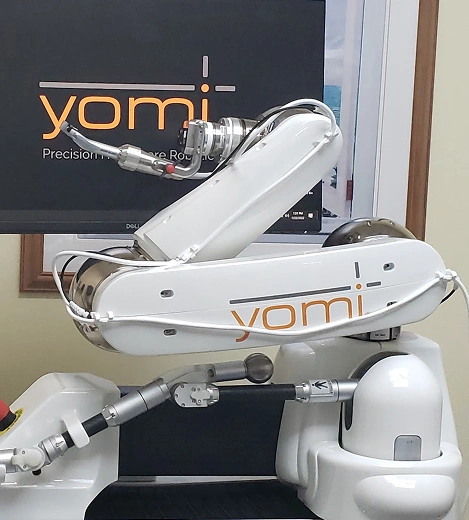
Yomi is the first and only robotic-assisted surgical system cleared by the FDA for dental implant surgery. It guides implant placement in real time during the procedure, adding a layer of precision that freehand placement alone can’t replicate.
At a Glance: Mistake vs. Careful Process
| Common Implant Mistake | Why It Happens | What a Careful Process Looks Like |
|---|---|---|
| Choosing on price alone | Lowest quote looks appealing upfront | Transparent pricing tied to a full diagnostic workup |
| Skipping 3D imaging | Provider relies on 2D X-rays only | CT-based digital planning before any drilling |
| Ignoring bone density | Bone loss isn’t checked or discussed | Bone volume assessed; grafting offered if needed |
| Placing implants with active gum disease | Rushing straight to the “fix” | Periodontal health stabilized first |
| Minimal aftercare guidance | Patient sent home with few instructions | Written hygiene plan + scheduled follow-ups |
The Risks of Getting Implants Done the Wrong Way
- Implant failure: Implant failure or rejection, requiring removal and a second surgery
- Bone loss: Continued bone loss around an unstable implant
- Infection: Infection in the gum or bone surrounding the implant
- Nerve issues: Nerve irritation or numbness from imprecise placement
- Bite problems: A bite that feels off, leading to jaw strain or worn teeth
- Added cost: Higher total cost once correction and a repeat procedure are factored in
The Professional Solution: What a Careful Implant Process Actually Looks Like
Avoiding these mistakes isn’t about luck, it’s about process. A thorough dental implants evaluation starts with digital scanning technology like an iTero 5D Plus scanner, followed by 3D imaging to map bone density, sinus position, and nerve location before treatment is ever recommended.
At SK2 Dental – Ngo Stanley DDS, PA, implant cases are planned using the Yomi Robot-Assisted Surgical System, which combines that pre-surgical imaging with real-time guidance during placement. The result is a more precise, minimally invasive procedure and a plan built around your anatomy instead of a one-size-fits-all approach.
Curious why more patients are choosing robotic-guided implant technology instead of traditional freehand placement? Learn how the Yomi system improves precision, planning, and patient comfort in our guide “Why More Patients Are Choosing Robot-Assisted Dental Implants Over Traditional Surgery.“
Patient Trust & Experience
Patients consistently mention the comfort of their visits, the skill of the doctors, and the confidence they feel throughout treatment.
⭐⭐⭐⭐⭐- Ogbamariam Kubrom
“Cleaning is great and no pain whatsoever! They know what they are doing! Great doctors!”
Whether you’re visiting for preventive care or exploring dental implants, experiences like these reflect SK2 Dental’s commitment to comfortable treatment and advanced technology.
Read more Google Reviews and see why patients trust SK2 Dental for advanced implant care. Call us now to schedule an appointment!
Meet Dr. Stanley Ngo, DDS

Dr. Stanley Ngo has practiced dentistry in North Dallas since 2004, treating implant cases ranging from a single missing tooth to full-arch restorations. His approach centers on planning before drilling, every implant case begins with digital imaging and a clear discussion of what to expect, so patients never feel rushed into a decision. Schedule a consultation with Dr. Ngo to talk through your options before you commit to treatment.
Don’t Let a Preventable Mistake Cost You a Second Surgery
Book a consultation with SK2 Dental in Dallas and get a digital, bone-mapped implant plan built around your mouth – not a guess. Request your implant consultation!
Still Worried About Pain?
One of the biggest reasons patients delay treatment is the fear that dental implant surgery will be painful. Modern techniques, digital planning, and robotic guidance make today’s implant procedures far more comfortable than many people expect. If you’re wondering what recovery really feels like, read “Are Dental Implants Painful? What to Expect Before & After Surgery.“
Frequently Asked Questions
Q: What is the most common reason dental implants fail?
A: The leading cause is peri-implantitis, a gum infection around the implant that develops from poor oral hygiene or untreated gum disease before placement. Insufficient bone support and poor initial planning are close behind.
Q: Can I get dental implants if I have gum disease?
A: Not right away. Active gum disease has to be treated and stabilized first. Placing an implant into infected tissue is one of the fastest ways to see it fail within the first year.
Q: How do I know if I’m a good candidate for dental implants?
A: Good candidates generally have healthy gums, enough jawbone to support the implant, and no uncontrolled conditions like unmanaged diabetes. A digital scan and consultation is the only reliable way to confirm candidacy.
Q: Is robotic implant surgery safer than traditional implant placement?
A: Robotic-guided systems like Yomi, the first FDA-cleared robotic-assisted platform for dental implant surgery, add real-time precision during placement, which can reduce positioning errors compared to freehand techniques alone.
Q: How much bone loss is too much for an implant?
A: There’s no single cutoff, it depends on the site and implant size. When bone volume is too low, a bone graft can rebuild enough structure to support a stable implant a few months later.
Q: What happens if a dental implant is placed incorrectly?
A: A poorly placed implant can loosen, cause bite problems, or put pressure on nearby teeth and nerves. Correcting it usually means removing the implant, letting the site heal, and starting the process over.
Q: How long does it take to recover from dental implant surgery?
A: Initial healing is usually one to two weeks, while full bone integration takes three to six months before a permanent crown is attached. Recovery time varies with bone quality and whether grafting was needed.
Q: How do I choose the right dentist for dental implants in Dallas?
A: Look for a provider who uses digital imaging for every case, explains bone density and gum health before recommending treatment, and has placed implants for more than just a few years. Ask how they handle complications, not just successes.
Ready to Get Your Implant Plan Right the First Time?
Implant mistakes are almost always preventable with the right planning. If you’re in North Dallas, Richardson, Garland, Plano, or the surrounding area and you’re considering dental implants, a digital consultation is the safest place to start before any decisions about treatment are made.